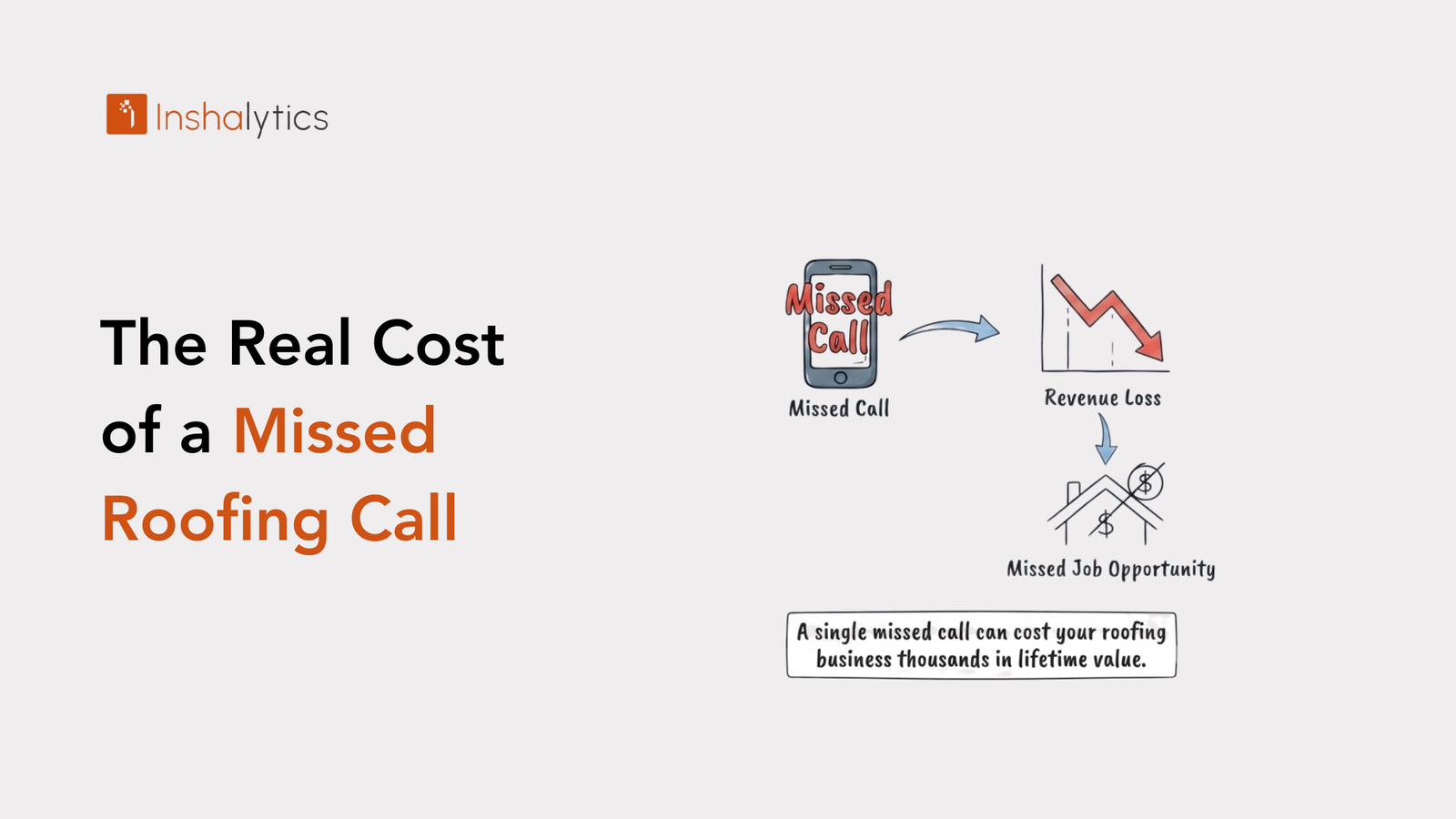
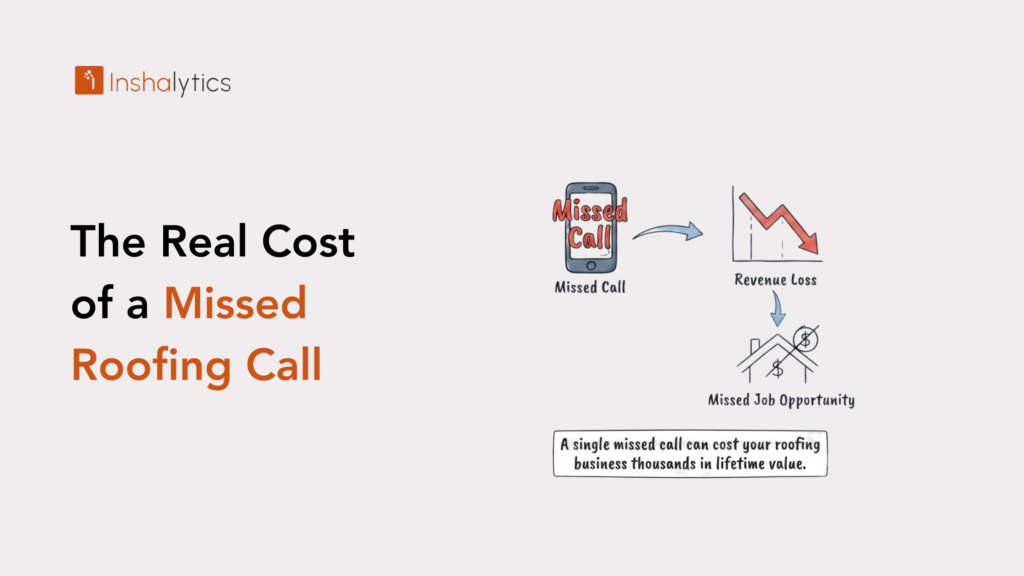
One missed call rarely feels like a big deal. Your crew was on a roof, the office line rang once, and the caller didn’t leave a voicemail. Multiply that by every call your roofing business misses in a month, and you’re looking at tens of thousands of dollars in lost jobs, most of which you’ll never even know you lost, because the homeowner just called the next name on their list.
This breaks down what a missed call actually costs a roofing company, why roofers miss more calls than most other trades, and what to do about it before the next storm hits.
Why Roofing Companies Miss So Many Calls
Roofing has a structural problem that other trades don’t deal with in quite the same way: extreme, unpredictable spikes in call volume tied to weather events.
Storm Surges and Sudden Call Volume Spikes
A single hailstorm or major wind event can generate more calls in 48 hours than a roofing company normally gets in a month. Phone systems built for a steady trickle of inquiries get overwhelmed instantly, and calls that would normally get answered start going straight to voicemail during exactly the window when demand and opportunity are highest.
Crews in the Field, Nobody at the Desk
Most roofing businesses are small operations where the person who could answer the phone is also the person up on a roof or driving between estimates. There’s often no dedicated office staff whose only job is picking up the line, which means a large share of daytime calls simply go unanswered by default, not by any conscious decision.
Pull your call log for the last 30 days and count how many calls went unanswered. Most roofing owners have never actually looked at this number, and it’s usually higher than expected once someone finally checks.
What a Missed Call Actually Costs a Roofing Business
Roofing has the highest average ticket size of any trade in the home service category, which makes a missed call disproportionately expensive compared to a missed HVAC or plumbing call of similar frequency.
The Math on a $12,000+ Average Job
Home service businesses miss roughly 27% of their inbound calls on average, according to Invoca’s research on more than 60 million phone calls cited in Pipeline On’s speed-to-lead analysis, and each missed call has been estimated to cost around $1,200 in lost revenue across trades generally. For roofing, where the average job runs well above $12,000, that estimate is almost certainly conservative. A single missed call on a full replacement inquiry can represent a five-figure loss that never shows up on any report.
How Many Calls Go Unanswered Industry-Wide
Some analyses of home service call data put the true unanswered-call rate even higher. NextPhone’s analysis of thousands of home service calls found that 74.1% of calls went completely unanswered in their sample, roughly three out of every four potential customers calling someone else instead. Even accounting for variation across businesses and markets, the pattern is consistent: a meaningful share of inbound roofing calls never get a human response at all.
Multiply your monthly missed-call count by your average job value and a realistic close rate. That number is your monthly revenue leak, and it’s usually large enough to justify fixing immediately rather than treating it as a minor operational inconvenience.
What Happens to the Homeowner Who Doesn’t Reach You?
Understanding the caller’s behavior after a missed call explains why this problem is so easy to overlook internally and so expensive to ignore in practice.
Why They Rarely Leave a Voicemail
The overwhelming majority of callers who reach voicemail simply hang up without leaving a message. LeadsFlow180’s data puts that figure at roughly 80% of callers who reach voicemail hanging up instead of leaving one. A voicemail that says “leave a message and we’ll call you back” isn’t a safety net. For most callers, it’s the end of the interaction entirely.
How Fast They Call the Next Roofer on the List
A homeowner comparing roofers rarely stops at one call. They search “roofer near me,” tap the first result, and if it doesn’t connect, they tap the next one within seconds. The third business that actually answers gets the job. The first two never even knew the call happened, let alone what it would have been worth.
Fixing the Leak: Systems That Stop Missed-Call Losses
None of this requires hiring a full-time receptionist. The fix is largely automation layered over a few smart process changes that most roofing companies haven’t gotten around to yet.
Missed Call Text-Back for Roofing
When a call goes unanswered, an automated text firing within seconds gives the caller an immediate response, something as simple as “Sorry we missed you, this is [Name] from [Company]. What’s going on with your roof? That single message keeps a meaningful share of callers engaged instead of moving straight to the next business on their list. For a full breakdown of exactly how much this recovers and what it costs to set up, see Missed Call Text Back: What It Actually Recovers.
After-Hours and Storm-Surge Coverage Plans
For predictable spikes during storm season, a major weather event, a temporary answering service or overflow call routing plan absorbs the surge without letting your normal call handling fall apart entirely. This is worth setting up before the storm hits, not scrambling while the phone is already ringing off the hook.
Routing Calls to the Right Person Every Time
If your only phone line rings to one person’s cell, a single missed call becomes a missed job with no backup. Routing rules that escalate to a second or third team member close that single point of failure and give every call a real chance of getting answered.
Set up missed call text-back this week. It’s the lowest-effort, highest-return fix on this list, and it starts recovering revenue almost immediately without requiring any additional headcount.
Turning Recovered Calls Into a Predictable Pipeline
Fixing the leak is only half the job. The other half is proving it’s working and building consistently on top of it.
Tracking Recovered Revenue Month-Over-Month
Once text-back and routing are in place, track how many previously missed calls turn into booked estimates. Seeing that number grow month over month makes the ROI of the fix impossible to argue with and gives you a concrete figure to point to when deciding whether to invest further in call handling.
Pairing Call Recovery With Faster Follow-Up
Recovering the call is the first step. What happens next how fast you follow up on the text conversation, how quickly you schedule the estimate determines whether that recovered call actually turns into a signed job or just a slightly longer version of the same missed opportunity. Response speed matters just as much after the recovery as it did before the call was missed in the first place, a point covered in more depth in How Response Time Is Quietly Killing Your Close Rate.
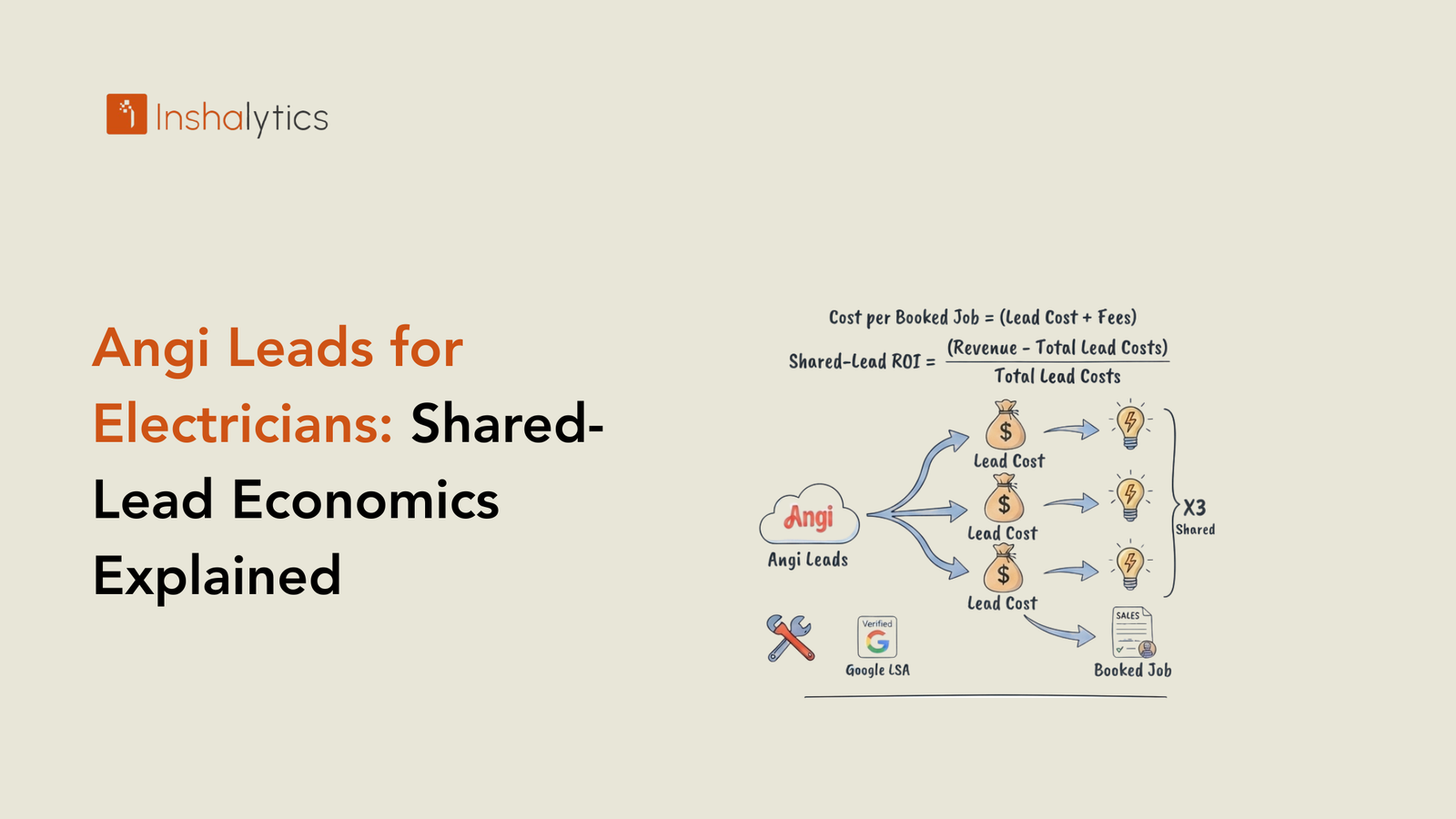
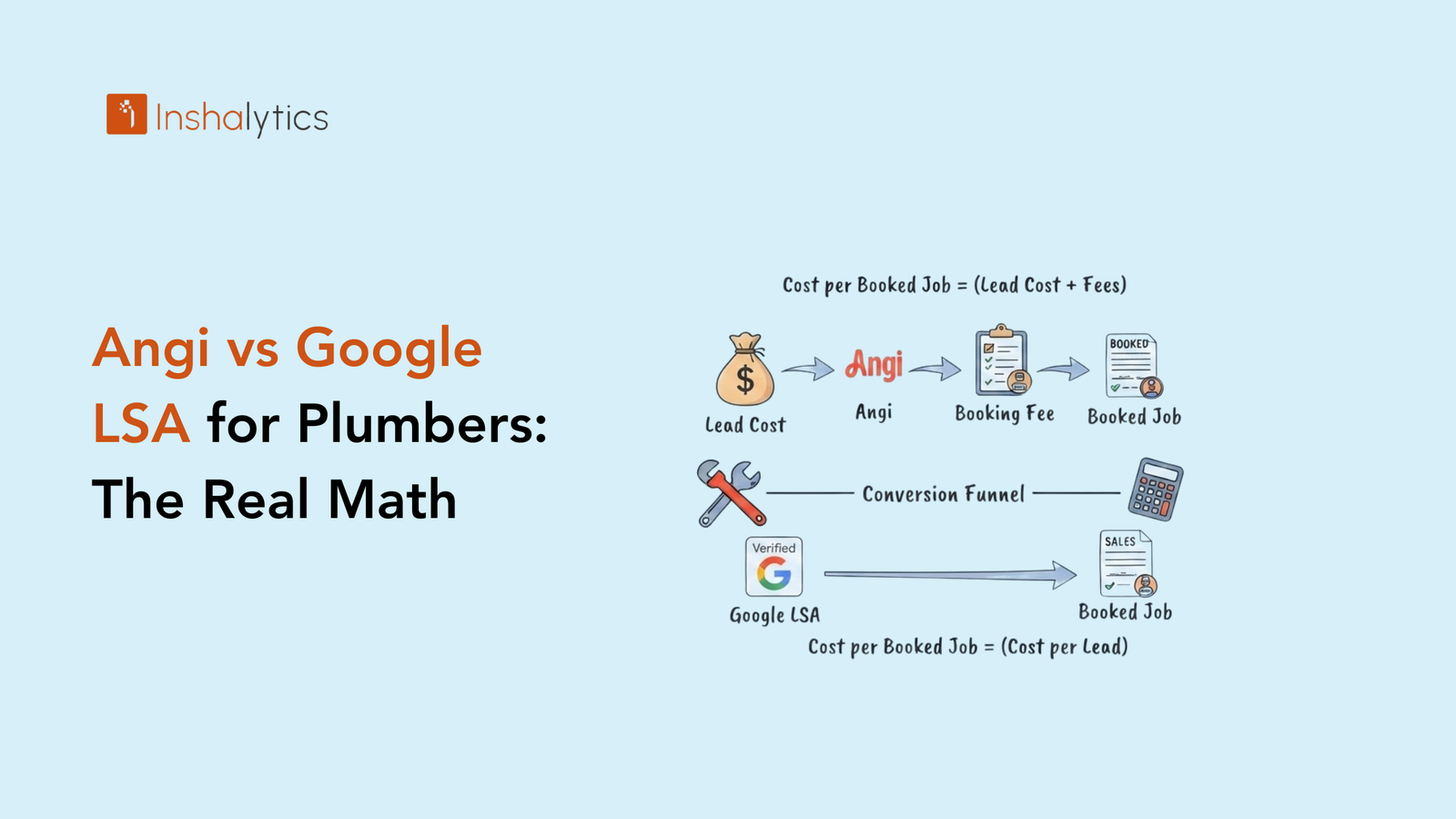
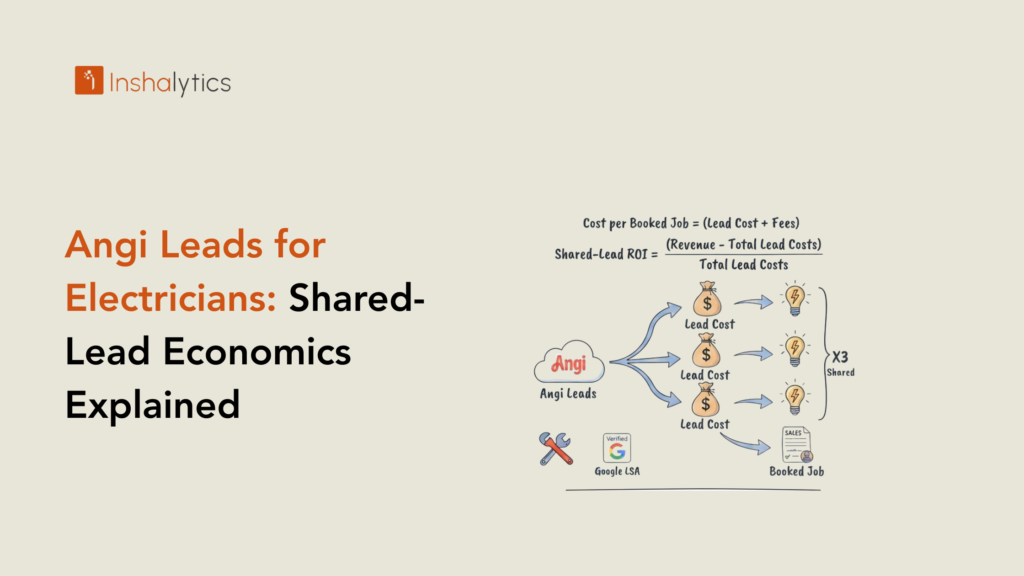
A missed call isn’t a small operational hiccup for a roofing company; it’s a direct hit to your highest-value pipeline, and the losses compound quietly month after month if nobody’s tracking them. The fix is inexpensive and fast to implement, which makes it one of the highest-ROI changes most roofing businesses can make without spending another dollar on lead generation. It’s also worth weighing against what you’re already paying for leads on platforms like Angi, covered in Angi Leads for Roofers: Real Cost Per Booked Job. A missed call on an expensive shared lead is doubly costly.
Want to know exactly how much revenue your missed calls are costing you? Let’s run a call audit and build a recovery system that keeps every roofing inquiry from slipping to a competitor.