
Homeowners typically read close to ten reviews before feeling comfortable enough to call a plumber, and most check more than one review platform before deciding who to trust with an active leak in their home. If you want to know how to get 5-star reviews as a plumbing company without your review requests feeling like a sales pitch, the answer isn’t a gimmick. It’s timing, a simple system, and treating reviews as part of your service process instead of an afterthought that happens to occur to someone a week after the job wraps up. This article covers exactly when to ask, how to automate collection without losing the personal touch, and how review volume translates directly into more booked jobs, along with how to handle the negative reviews that inevitably show up no matter how good your work is.
Why Reviews Matter More for Plumbers Than Almost Any Other Business
Plumbing is an emergency, trust-dependent purchase happening in someone’s home. Reviews do more work in that decision than almost any other marketing asset you have, because a homeowner rarely has time to do deeper research before deciding who to call.
Reviews as the Trust Signal Homeowners Check in the 8-Second Decision
When someone is choosing a plumber in the middle of a crisis, review count and star rating are often the only proof of trustworthiness they have time to evaluate. A business with dozens of recent five-star reviews reads as safe; a business with three reviews from two years ago reads as a risk, even if the work itself would be identical, and that perception gap directly translates into which business gets the call. It’s not a fair comparison in terms of actual craftsmanship, but it’s exactly how a stressed homeowner is forced to make a fast decision with limited information.
How Review Count Impacts Your Local Pack Ranking
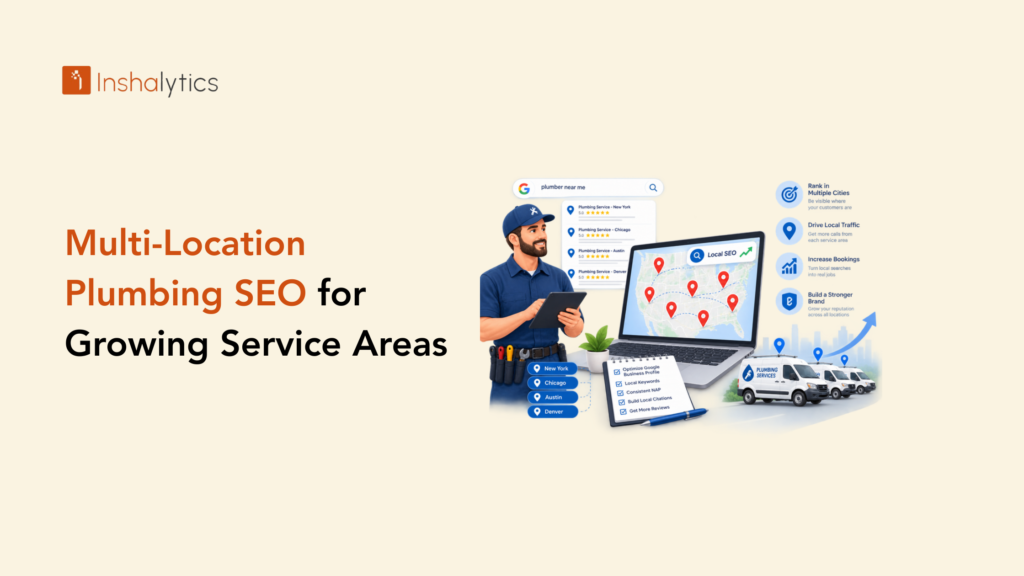
Beyond trust, review volume and recency are direct ranking signals in Google’s local search results. A steady stream of new reviews tells Google your business is active and reputable, which affects whether you show up in the map pack at all, meaning reviews aren’t just a trust asset, they’re an SEO asset that compounds over time and makes every other marketing channel work a little bit harder. A well-reviewed business gets more clicks from the same search position, more conversions from the same website traffic, and more trust from the same ad spend, which is why review generation deserves the same budget attention as any paid channel.
When Should You Actually Ask for a Review?
Timing is the single biggest factor in review request success, and most plumbing businesses get it wrong by asking too late or not asking at all, treating it as an afterthought instead of a standard part of wrapping up a job.
The Right Moment: Right After Job Completion, Not Days Later
The best time to ask for a review is within minutes of finishing the job, while the relief of a fixed problem is still fresh. Waiting until the next day, or bundling the ask into a follow-up email sent a week later, dramatically lowers response rates. By then the memory has faded into “yeah, they fixed it,” not the vivid, positive experience worth writing about in detail.
Building the Ask Into Your Invoice or Follow-Up Text
A short, direct request, a text sent the moment the technician marks the job complete, with a direct link to your Google review page, removes every point of friction between a satisfied customer and an actual review. The easier you make it, the higher percentage of satisfied customers will follow through, and a request that takes fifteen seconds to act on will always outperform one that requires searching for your business first.
What’s the Fastest Way to Collect Reviews at Scale?
Manually asking every customer doesn’t scale past a handful of jobs a week. The businesses with consistently strong review counts have automated the ask without automating away the authenticity.
Using Direct GMB Review Links
A direct link that drops a customer straight into the review-writing screen, no searching, no extra clicks, removes the single biggest source of drop-off between “I’d be happy to leave a review” and an actual published review that shows up on your profile. Testing this link yourself on a phone, the same way a customer would use it, catches broken links or extra login steps before they cost you dozens of missed reviews.
Automating Review Requests Through Your CRM
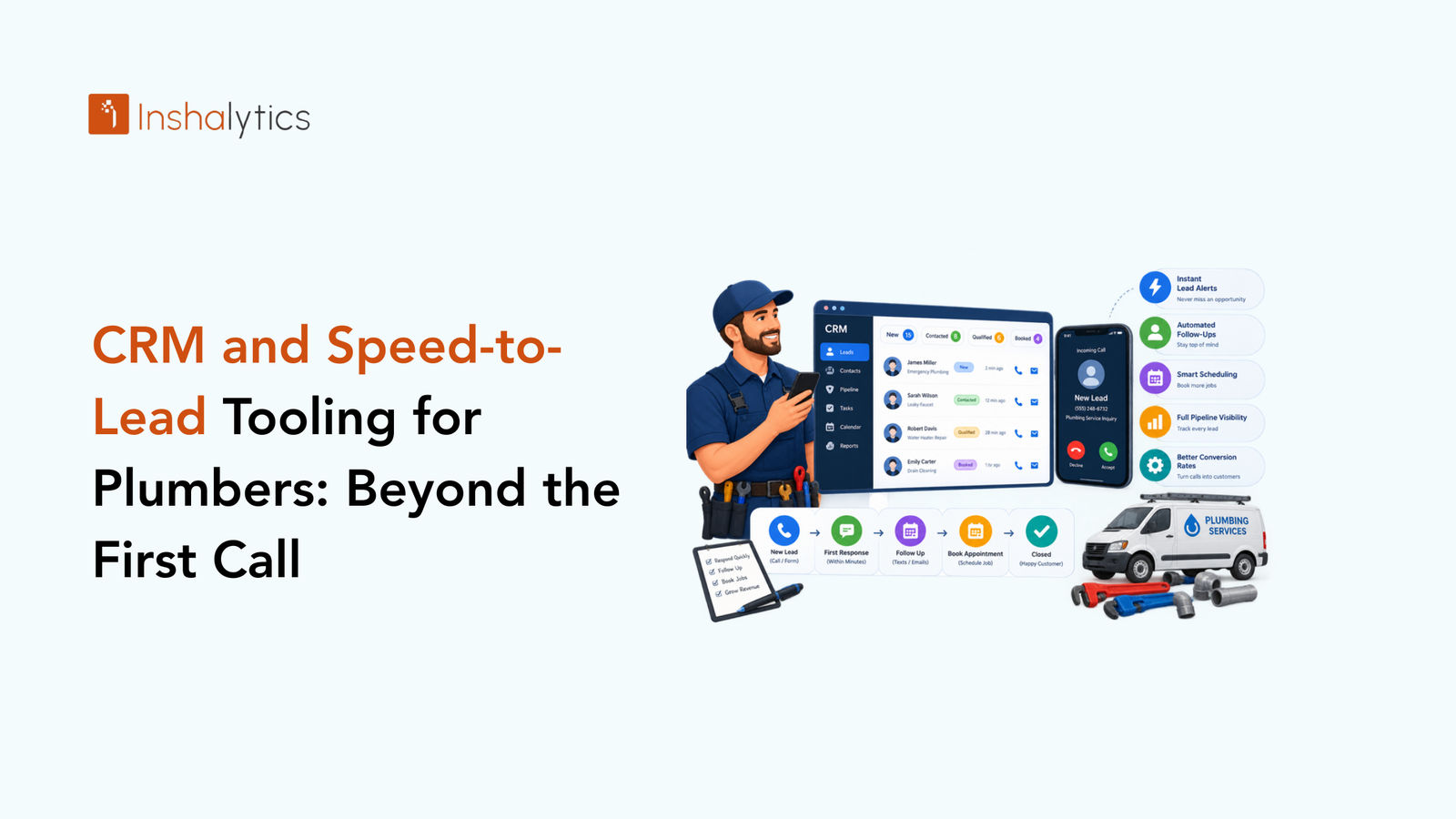
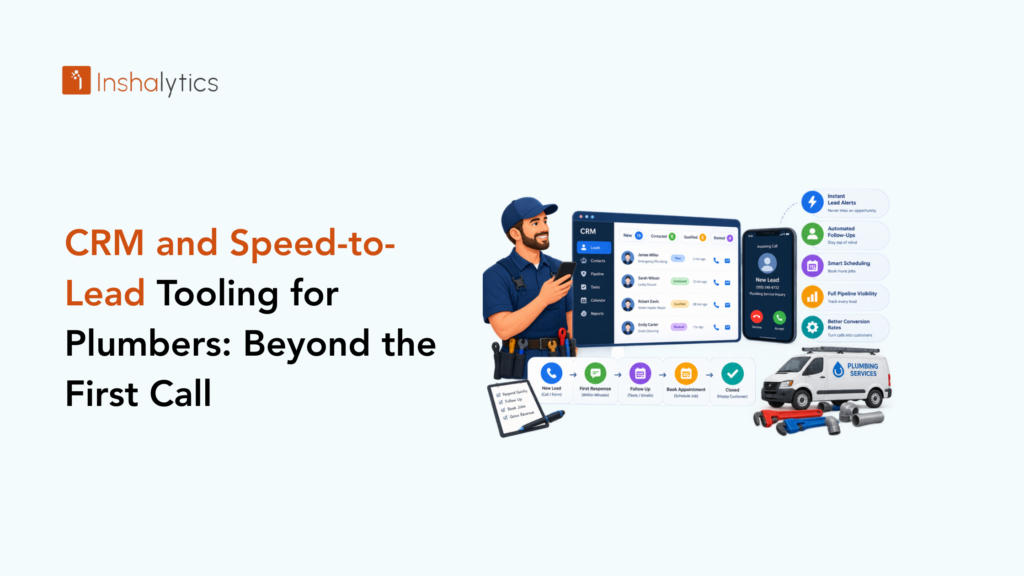
If your CRM already tracks when a job is marked complete, that’s the natural trigger point for an automated review request text or email. CRM and speed-to-lead tooling for plumbers covers building this kind of automation into your broader lead and customer workflow, so review requests become one more thing your system handles without extra manual work from your office staff.
How Do You Handle Negative Reviews Without Damaging Trust?
No plumbing business gets 100% five-star reviews, and trying to hide or dispute every negative one usually does more damage than the review itself ever would.
Responding Calmly and Publicly
A calm, professional public response to a negative review often matters more to future customers than the negative review itself. Homeowners reading reviews expect to see the occasional complaint, and most are savvy enough to distrust a profile with nothing but glowing feedback. What they’re actually evaluating is how you handled it, and a defensive or dismissive response tells them more than the original complaint does.
Turning a Bad Review Into a Recovery Story
Acknowledging the issue, offering a concrete resolution, and inviting the customer to discuss it privately shows every future reader that problems get fixed, not ignored. A well-handled negative review can build more trust than a page of unblemished five-star ratings, which can occasionally read as too good to be true to a skeptical homeowner comparing options. Most people have been burned by a company that seemed perfect online and then disappointed them in person, so a visible pattern of honest problem-solving actually works in your favor.
Turning Review Volume Into a Local SEO Advantage
Reviews shouldn’t live in isolation from the rest of your marketing. The businesses that get the most value treat review generation as a core part of local SEO, not a separate task handled by whoever remembers to think about it.
How Inshalytics Builds Review Generation Into Local SEO Campaigns
We build automated review request systems directly into your marketing campaigns, timed to job completion and tracked against your local pack rankings over time, because review generation and local SEO aren’t two separate projects, they’re the same project viewed from two angles that reinforce each other.
Using Reviews as Content on Service Pages
Strong, specific reviews, mentioning the actual service performed, not generic praise, make excellent content for individual service pages, reinforcing both trust for visitors and relevant keywords for search engines at the same time, doing double duty without any extra content production work.
Building a Sustainable Review System, Not a One-Time Push
A burst of review requests after reading an article like this one will bump your numbers briefly. A sustainable system keeps them climbing steadily, month after month, without requiring a renewed push every time momentum fades.
Setting a Weekly Review-Request Target
Rather than an occasional reminder to “ask for more reviews,” set a specific, trackable weekly target based on completed jobs, and check it the same way you’d check any other business metric, so it never quietly falls off the radar during a busy stretch.
Tracking Review Velocity Over Time
New reviews per month, not just total review count, is the number that actually affects both trust and ranking. A business with 200 reviews but nothing new in six months signals less activity to Google, and to homeowners, than one steadily adding new reviews every week, even if the total count is lower. Google’s algorithm and a skeptical homeowner are, in this one specific way, looking for the exact same thing: proof that you’re still actively doing good work today, not just that you did five years ago.
Review generation is one of the highest-return, lowest-cost marketing activities available to a plumbing business, and most owners still leave it almost entirely to chance. If you want a system that turns every satisfied customer into a five-star review without adding work to your team’s day, let’s talk about building it into your marketing plan from the ground up.