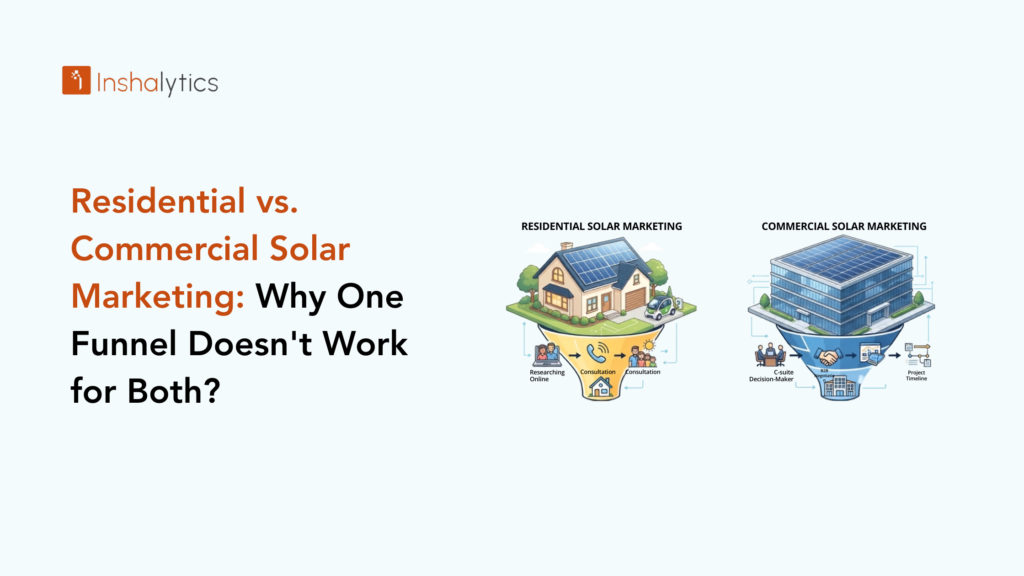
A residential solar sale can close in a matter of weeks, driven by one homeowner’s decision after a single electric bill shock. A commercial solar deal can take six months to a year, driven by a facilities manager, a CFO, and sometimes a board, all evaluating the same investment through completely different lenses and on completely different timelines, with completely different information needs at every stage. Treating residential vs. commercial solar marketing as one funnel is one of the most common, and most costly, mistakes installers make when trying to expand into commercial work. This article breaks down exactly why these are different sales, and how your marketing needs to split to serve both well.
Why Commercial and Residential Solar Are Fundamentally Different Sales
The differences aren’t cosmetic. They touch sales cycle length, decision-making structure, and what actually motivates the buyer to move forward at each stage of the process.
Sales Cycle Length: 4–12 Weeks vs. 6–12 Months
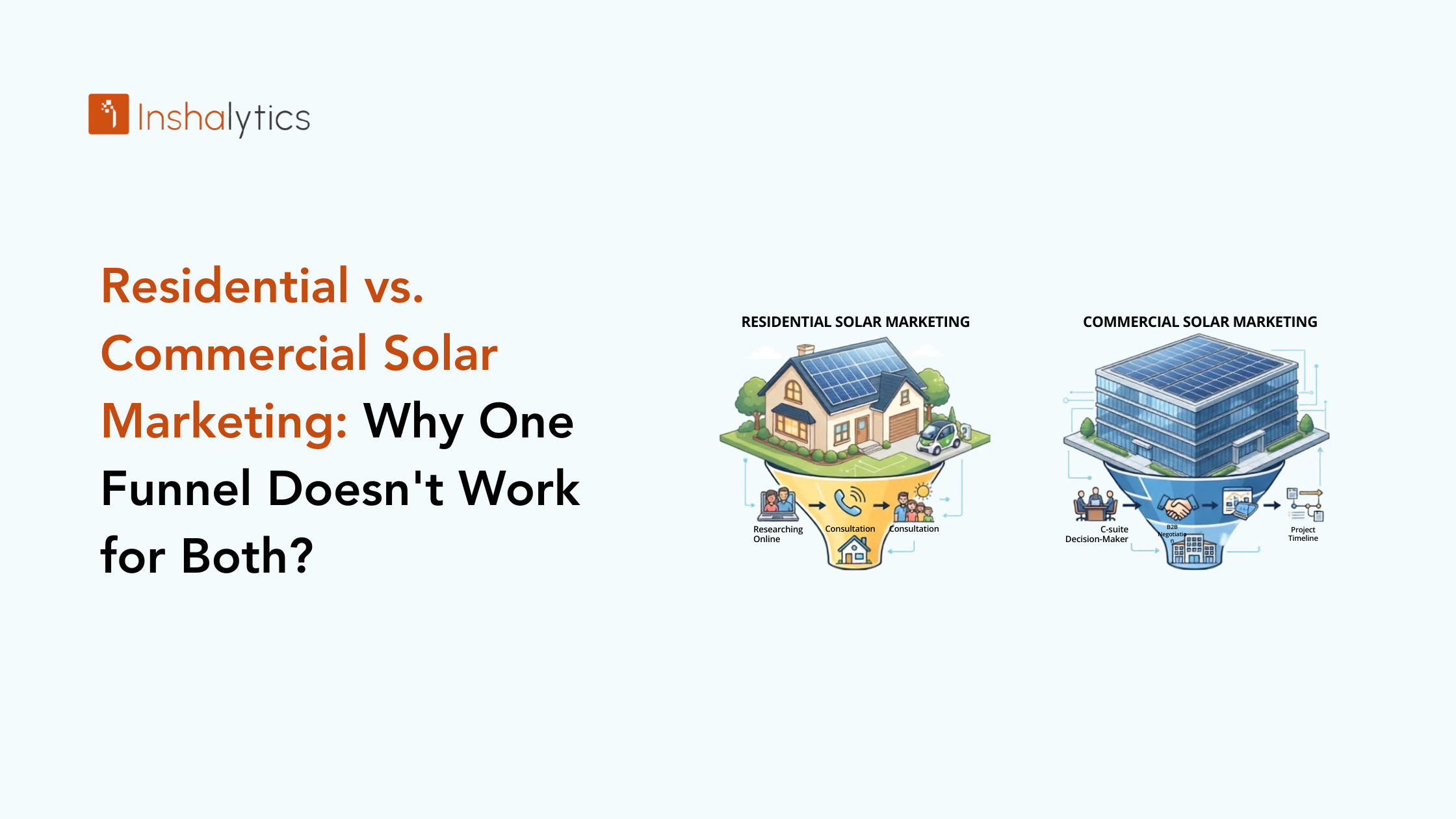
Residential solar typically moves from first inquiry to installation within four to twelve weeks. Commercial and industrial solar routinely takes six months to a year, driven largely by more complex permitting review and a longer, more deliberate internal decision-making process involving people who rarely respond as quickly as a homeowner would. A marketing funnel built around a four-week residential sales cycle will consistently fail commercial prospects who are still in month three of their evaluation, dropping them from nurture sequences long before they’re actually ready to buy.
Single Homeowner Decision vs. Multiple Commercial Stakeholders
A residential sale usually involves one or two decision-makers, often making an emotionally influenced decision alongside a financial one. A commercial sale typically involves a facilities manager evaluating operational fit, a finance team evaluating ROI and financing structure, and sometimes ownership or a board signing off, each of whom needs different content to move forward with their part of the decision at their own pace.
What Does This Mean for Your Marketing Funnel?
Once you understand how differently these two buyers move through a decision, the funnel design almost writes itself, and forcing them into the same structure only weakens both.
Residential: Fast-Trigger, Emotion-Driven, Local-Search-Heavy
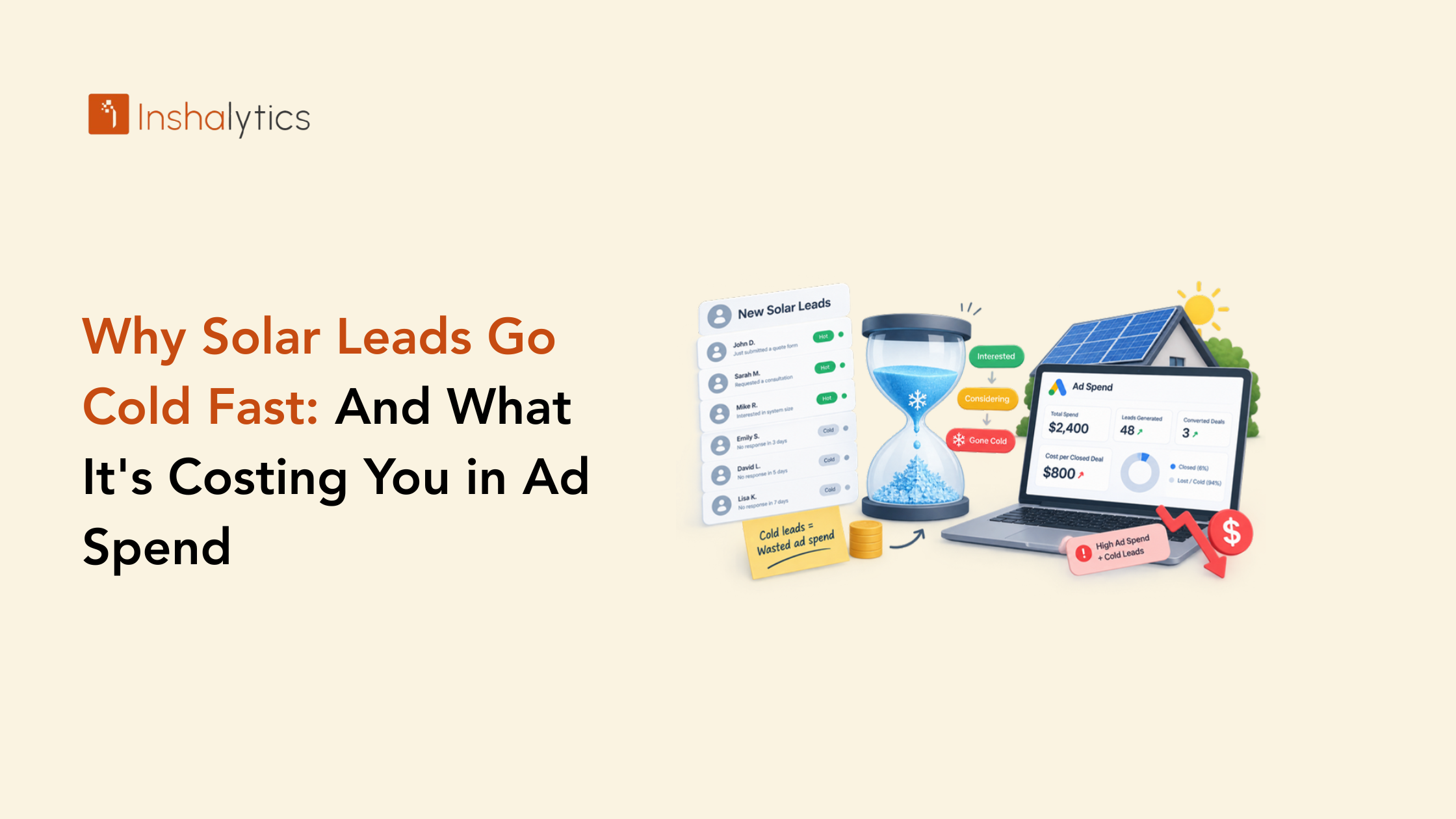
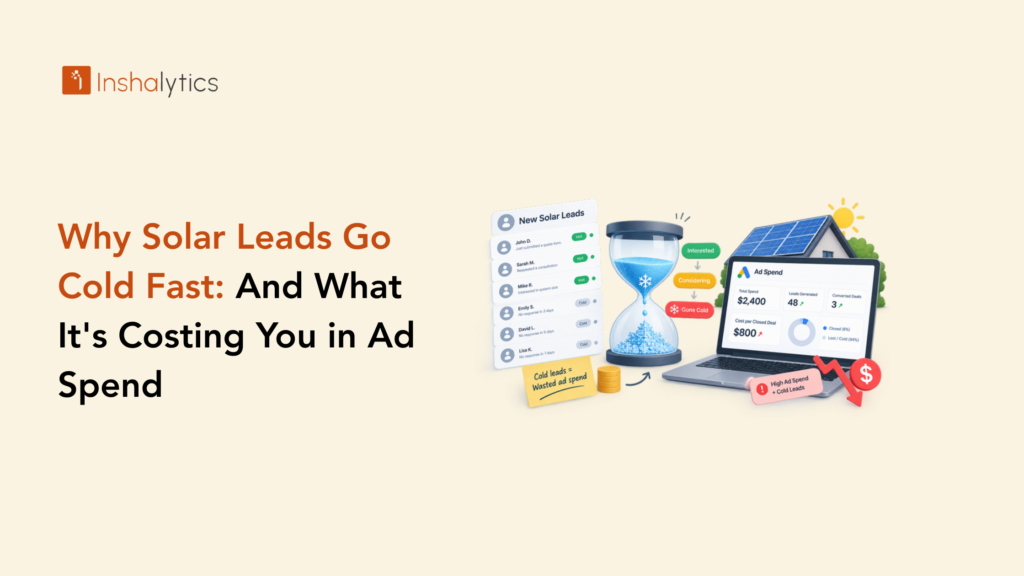
Residential marketing should be built around fast response to trigger events, high bills, referrals, EV purchases, with local search and paid ads capturing that moment of interest before it fades into something less urgent and less actionable. Speed and local trust signals matter more here than anything else. Why solar leads go cold fast covers exactly how quickly that residential window closes if you’re not ready to respond the moment interest appears.
Commercial: Long-Nurture, ROI-Driven, Relationship-Heavy
Commercial marketing needs to support a much longer nurture process, content that speaks to demand charges, financing structures, and long-term ROI, delivered through channels built for a slower, more deliberate buying process like direct outreach, case studies, and industry-specific content rather than fast-response paid search alone that assumes a quick decision most commercial buyers simply aren’t in a position to make.
How Should Your Content Strategy Split by Segment?
Content built for one buyer type rarely resonates with the other, which means your content calendar needs two genuinely distinct tracks running in parallel, not one blended approach trying to satisfy both.
Residential Content: Savings, Incentives, and Local Trust
Residential content should focus on personal savings, available incentives, local installer credibility, and clear, homeowner-friendly explanations of the process. This is where content like your solar tax credits and incentives: the SEO angle competitors miss does the most work, capturing research-stage homeowners early in their decision.
Commercial Content: Demand Charges, ROI Models, and Case Studies for Facilities Managers
Commercial content needs to speak the language of facility operations and finance, demand charge reduction, payback period modeling, and case studies specific to the buyer’s industry, whether that’s a warehouse, a manufacturing facility, or a retail chain. A facilities manager evaluating solar for a warehouse roof isn’t moved by the same messaging that converts a homeowner deciding on a rooftop system for their own house. Presenting the same case study or the same savings claim to both audiences almost always undersells one of them, since what counts as a compelling number to a homeowner rarely translates to what a finance team needs to see.
Are You Targeting the Right Keywords for Each Segment?
Keyword strategy needs the same segmentation as content, because the two buyer types search in genuinely different language and with genuinely different intent behind similar-sounding terms.
Local, “Near Me” Intent for Residential
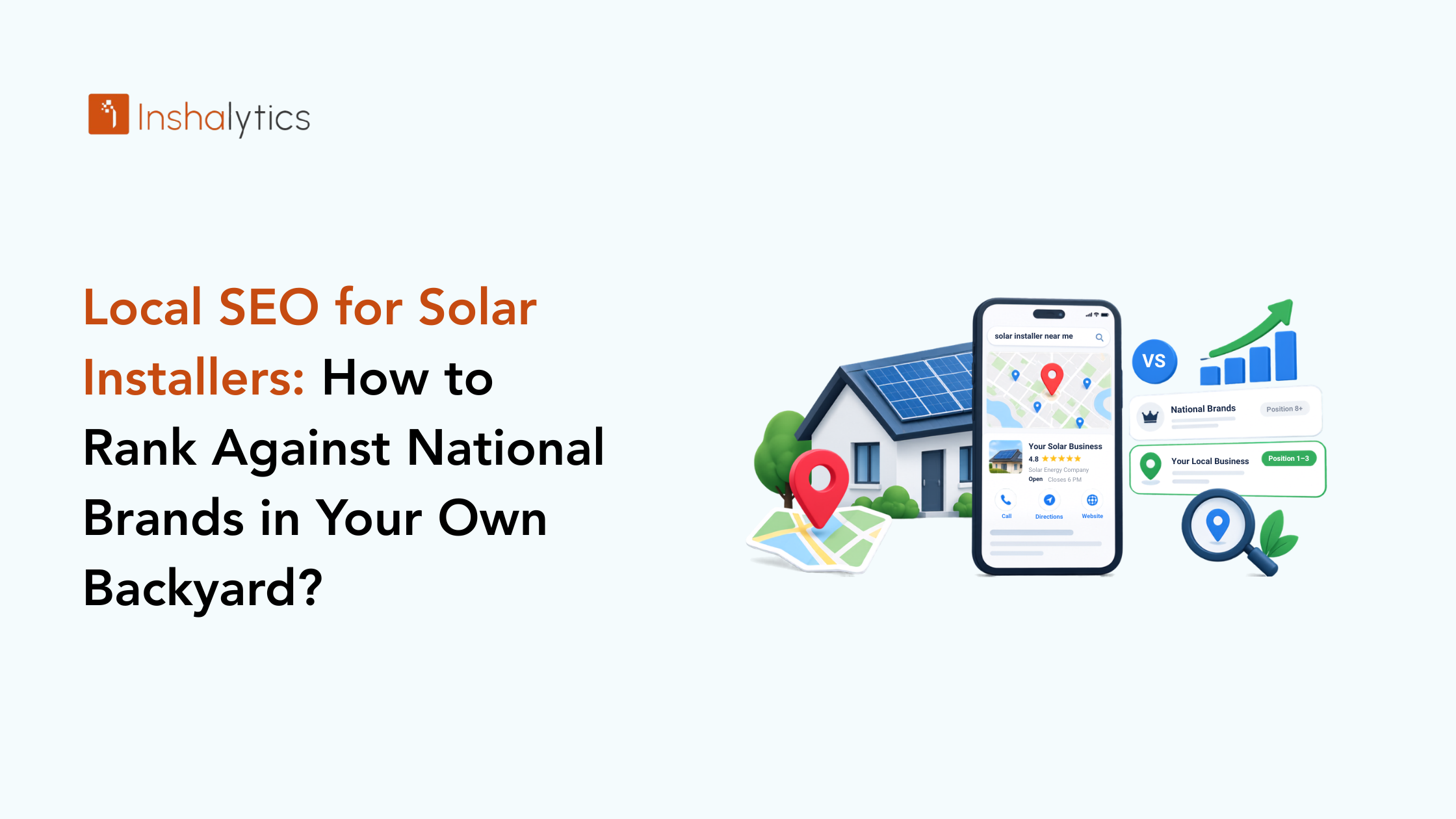
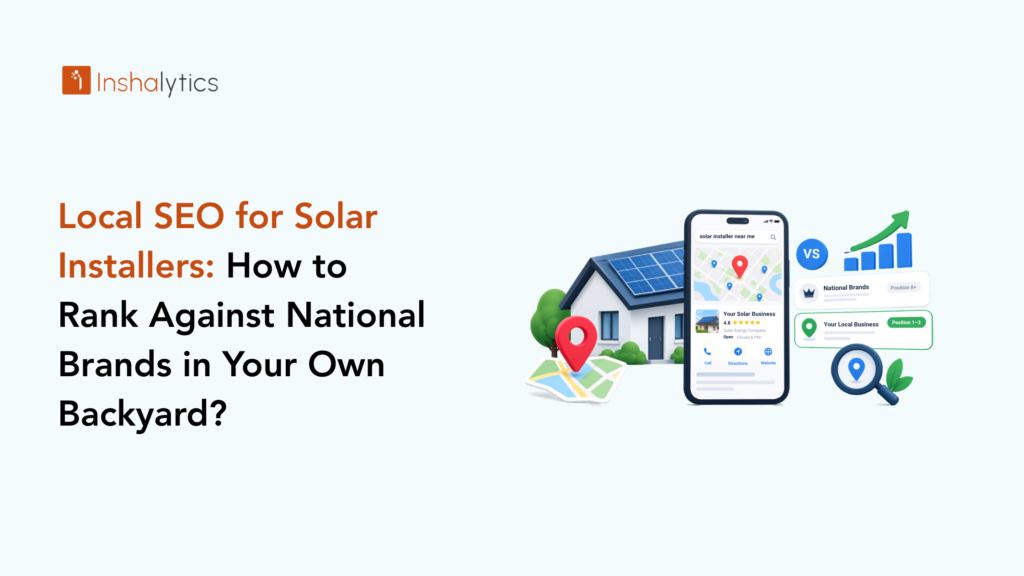
Residential search behavior clusters around local, immediate-intent terms, “solar installer near me,” “solar panels ,” reflecting a homeowner actively comparing nearby options in real time and ready to book a consultation relatively quickly.
Industry- and Use-Case-Specific Terms for Commercial (Warehouses, Retail, Manufacturing)
Commercial search behavior is far less “near me” and far more use-case specific, terms tied to facility type, energy usage profile, or financing structure. Targeting these terms requires distinct landing pages built around each commercial use case, not a single generic “commercial solar” page trying to cover all of them at once and satisfying none of them particularly well. A warehouse operator evaluating solar cares about entirely different economics than a retail chain weighing the same decision across dozens of locations, and one page can’t speak fluently to both.
Should You Run Separate Campaigns, or One Blended Strategy?
Given how differently these two segments behave, the campaign structure question has a fairly clear answer once you’ve seen how each one actually performs on its own.
Why Blending the Two Usually Underperforms Both
A single blended campaign, one landing page, one ad set, one nurture sequence trying to serve both a homeowner and a facilities manager, typically underperforms two well-targeted, segment-specific campaigns, because the messaging that resonates with one buyer type actively undersells the other and dilutes the clarity both segments actually need to move forward with confidence.
Budget Allocation Between Residential and Commercial Pipelines
Budget allocation should reflect both the different sales cycle lengths and the different average deal sizes between segments. Commercial deals are often larger individually but require sustained investment over a much longer nurture period before that investment pays off in a signed contract. Treating both pipelines with the same monthly budget review can make commercial look like it’s underperforming, when it’s actually just further along a longer, entirely normal timeline.
How Inshalytics Builds Segmented Solar Marketing Strategies
Serving both segments well requires building genuinely separate marketing infrastructure, not a single strategy stretched to cover two very different buyers with two very different timelines.
Separate Landing Pages and Ad Campaigns by Buyer Type
We build distinct landing pages, ad campaigns, and nurture sequences for residential and commercial audiences, so each buyer sees messaging built specifically for their decision process instead of a generalized pitch trying to cover both at once and convincing neither.
Content That Speaks to Facilities Managers, Not Just Homeowners
Where most solar marketing defaults entirely to homeowner-facing messaging, we build the commercial-specific content, ROI modeling, industry case studies, facility-type-specific landing pages, that actually speaks to the buyers driving longer, higher-value commercial deals through their entire evaluation process.
Deciding Which Segment to Prioritize Next
If you’re currently marketing to both segments through one undifferentiated funnel, or considering commercial expansion for the first time, there’s a clear starting point worth taking before building out either track fully.
Evaluating Your Current Pipeline Mix
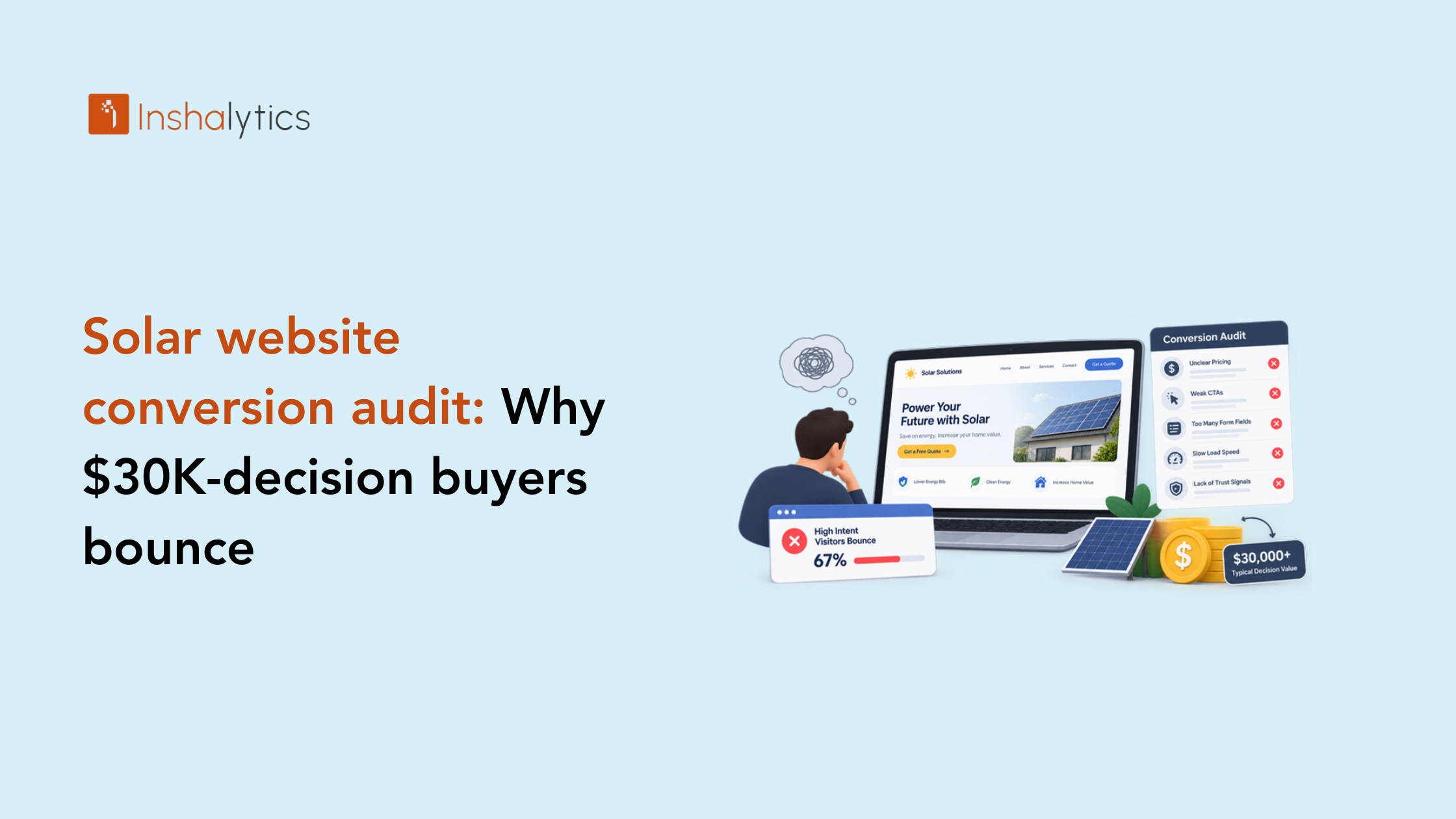
Look honestly at how many of your current leads and closed deals are commercial versus residential, and whether your website and campaigns actually reflect that mix, or whether commercial prospects are being funneled through content built entirely for homeowners who make decisions on a completely different timeline. This kind of audit often reveals commercial leads quietly stalling out mid-funnel simply because nobody built content for the stage of evaluation they were actually in.
Testing Commercial as a New Growth Channel
If commercial is a growth area you haven’t seriously invested in yet, start with one focused use-case landing page and a small, targeted campaign rather than trying to build a full commercial marketing program at once, proving the channel before scaling it further into other facility types.
Residential and commercial solar are two different businesses wearing the same company name, and they deserve two different marketing strategies. If you’re ready to build both properly, let’s talk about what that looks like for your pipeline, starting with an honest look at how your current mix is actually performing.