A slow February can erase the profit from a strong October. Most trades live with that swing, and a home service membership program for contractors is one of the few tools that smooths it out without chasing new leads. Members pay on a schedule, you visit on a schedule, and the work you used to wait for starts coming to you.
This guide shows you how to build one. You will see what to include, how to price it, how to sell it and how to tell whether it is paying off. You will finish with a plan you can launch in 30 days, whether you run plumbing, HVAC, electrical or a mix of trades.
Why Contractors Build a Home Service Membership Program
A membership program changes the shape of your year. Instead of waiting for the phone to ring, you build a base of customers who have already said yes to you.
Recurring revenue versus feast-and-famine job flow
Job-based revenue follows weather, breakdowns and luck. One cold snap fills your calendar, then three quiet weeks follow. Your trucks, insurance and payroll do not take those weeks off.
A membership fee arrives whether or not anything breaks. Scheduled visits also give you work to put on slow days, so your technicians stay busy when emergency calls dry up. Over time, that steadier base makes hiring and cash flow easier to plan.
What homeowners expect from a service provider
Homeowners already understand paying a regular fee for protection and priority. What they want to know is simple: what do I get, what does it cost, and who shows up when something goes wrong.
Priority scheduling matters most in an emergency. A member with a failed water heater wants to hear that you will be there first. If your plan answers those three questions in plain language, it sells more easily than a long list of perks. For the customer’s side of this decision, read our look at whether subscription-style service plans are worth it.
Where membership plans fit by trade
Each trade has a natural recurring job that a plan can bundle. Here is where most plans start:
- Plumbing: an annual inspection of the water heater, supply lines and visible drains.
- HVAC: seasonal tune-ups before the heating and cooling seasons. Our guide to HVAC flat-rate pricing and membership plans shows how HVAC companies structure them.
- Electrical: a panel and safety inspection, plus checks of smoke detectors and GFCI outlets.
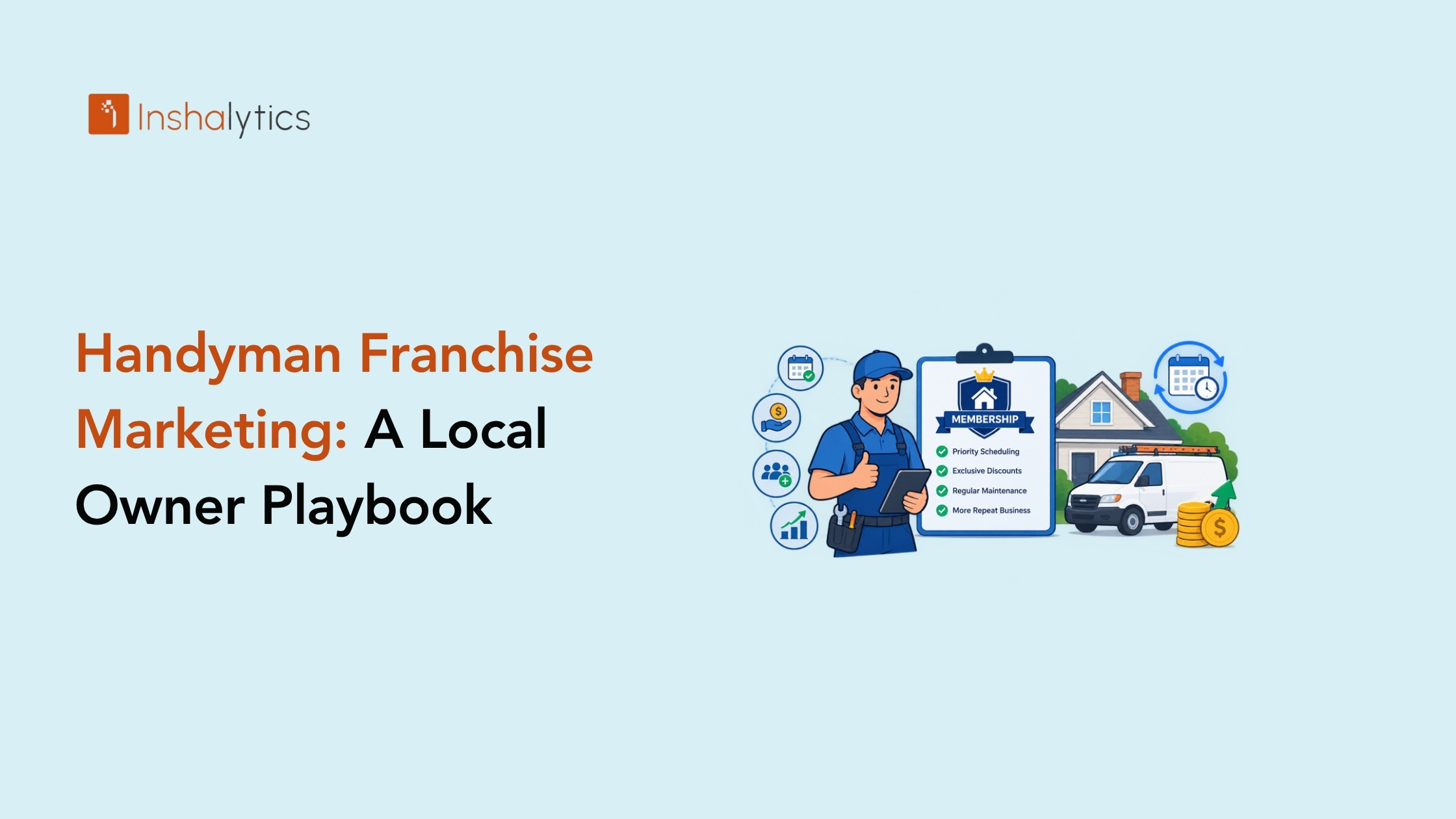
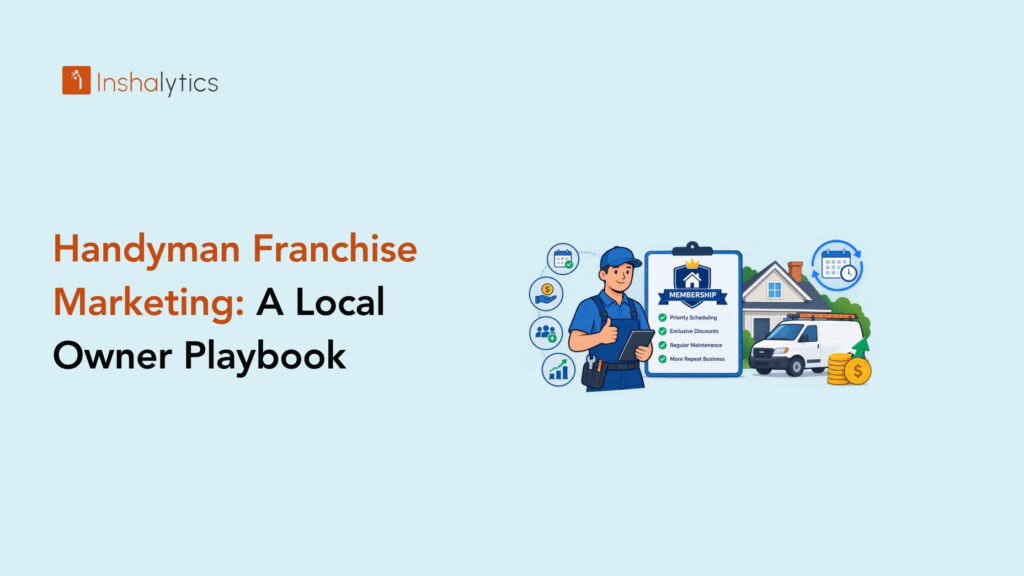
- Handyman: a set number of service hours each quarter. We cover that model in our handyman membership plan guide.
What Should a Home Service Membership Program Include?
A home service membership program should include a scheduled preventive visit, priority scheduling, and a modest discount on repairs, all for a recurring fee. Each benefit must be something your crew can deliver every time. Start with a short list, and add extras only after your first members renew.
Core benefits: inspections, priority scheduling, discounts
Three benefits carry most plans. Each one is easy to explain and easy to deliver.
- Preventive visit: one or two scheduled visits a year that give members something tangible for their fee.
- Priority scheduling: members move to the front of the line when something breaks.
- Repair discount: a modest percentage off repairs, kept small enough to protect your margin.
Some contractors also waive the trip or diagnostic fee for members. That is a visible perk that costs you little when the visit leads to paid work.
Trade-specific inclusions for plumbing, HVAC and electrical
The preventive visit should match what actually fails in your trade. A checklist makes each visit consistent and gives the member a record of what you did.
- Plumbing: water heater check, shutoff valve test, and a look at supply lines and visible drains.
- HVAC: filter check, coil and blower inspection, and a safety check on the heating or cooling equipment.
- Electrical: panel inspection, test of outlets and GFCIs, and a check of smoke and carbon monoxide detectors.
Give members a short written summary after each visit. It proves the value of the plan and shows what repairs are coming.
What to leave out so the plan stays profitable
Some promises look generous and quietly drain the plan. Leave these out of your first version:
- Unlimited free repairs. One bad year can wipe out the plan’s profit.
- Open-ended parts coverage. If you cover parts or repairs, you may be selling a warranty or service contract, and the rules on those vary by state. Check with your attorney or insurer before you add it.
- Free after-hours dispatch. Priority scheduling is the benefit. Free emergency labor is a separate cost.
How to Price a Home Service Membership Program
Pricing is where most plans succeed or fail. Set the fee from your real costs, not from what a competitor charges.
Monthly versus annual billing
Monthly billing lowers the barrier to signing up. A small recurring charge feels easier to approve than one larger payment. Annual billing gives you cash up front and means fewer renewals to manage.
Many contractors offer both and give a small saving for paying annually. Whichever you choose, state the cancellation terms in plain language on the sign-up page and in the first email a member receives.
Working out cost per member visit
Add up what one included visit costs you. Four items cover it:
- Technician time: hours on site multiplied by your loaded hourly cost.
- Vehicle and fuel for the trip.
- Supplies and consumables used during the visit.
- Scheduling and billing time in the office.
Multiply that total by the number of visits the plan includes. That number is the floor under your fee. Anything you charge above it has to cover repair discounts and leave you a margin.
Tier structure: start with one plan before adding more
Launch with a single plan. One plan is easier to explain at the door, easier to price and easier to deliver. It also gives you clean data on who signs up and who renews.
Once you have a few renewal cycles behind you, add a second tier. A common choice is a plan for households with more than one system, or one that adds a second visit each year.
Are Membership Plans Worth It for a Small Contractor?
Membership plans are worth it when the fee covers the cost of the included visits and the plan brings in repair work you would not have booked otherwise. They lose money when discounts and free visits cost more than members pay. Run the break-even math on one member before you sell your first plan.
Break-even math with a simple example
Here is a worked example. The numbers are for illustration only, so replace each one with your own.
Say the plan costs $15 a month, or $180 a year, and includes one visit. The visit takes 1.5 hours of technician time at a loaded cost of $60 an hour, which is $90. Add $15 in supplies and $10 in scheduling and billing time. The visit costs you $115, which leaves $65 from the fee.
Now add the discount. If that member uses a 10% repair discount on one $500 job, you give up $50, which leaves $15. On those numbers the plan only breaks even on its own. The real return comes from the repairs the visit uncovers and the full-price jobs members book later.
Admin and scheduling load to plan for
A plan creates work that never appears on an invoice. Someone has to schedule visits, send reminders, bill members and handle renewals. If that work lands on your office manager with no system behind it, visits slip and members stop seeing value.
Set up your field service or CRM software to hold member status and visit dates before you launch. Automate the reminder messages and the renewal notices. If you cannot track members cleanly, wait until you can.
Warning signs the plan is losing money
Watch for these signs in your first quarters:
- Members use their repair discount often but rarely book other work.
- Visits take longer than you priced for.
- Members cancel before the first renewal.
- Visits are not getting scheduled at all, which means members are paying for something they never see.
Each sign has a fix: adjust the discount, tighten the checklist, improve the follow-up, or change the price. The point is to catch it early.
How to Sell and Market Your Membership Program
A good plan does not sell itself. You need a simple process for offering it and a few places where customers can find it.
Offering the plan at the end of every job
The best moment to offer a plan is right after you solve a problem. The customer has just seen your work and knows what a breakdown costs them. Train your technicians to mention the plan at the end of every visit.
Keep the pitch short. Something like this works: “We have a plan that puts you first in line and covers your yearly checkup. Would you like me to show you what it includes?” Then hand over a one-page summary and let the customer decide.
Marketing the plan to past customers by email and SMS
Your past customers already know you, so they are your easiest sales. Send them a short message that explains the plan, the price and the one benefit that matters most before the busy season. Tie the timing to the season, such as a tune-up reminder before winter. Our guide to seasonal email campaigns for HVAC companies shows how to time those messages.
Only text customers who have agreed to receive messages from you. Keep each message to one offer and one link.
Promoting the plan on your Google Business Profile and website
Give the plan its own page on your website. List what is included, the price and how to sign up. Then point to it from your Google Business Profile with posts and a link, so people who find you on the map see the plan too.
If you run a plumbing company, pair the plan page with the local visibility steps in our local SEO guide for plumbers. Electricians can do the same with our local SEO guide for electricians.
How Inshalytics Helps Contractors Fill and Grow Membership Plans
A plan only works if customers can find it and trust it. We help contractors build the online side of that, so the plan you designed gets in front of the people who will buy it.
SEO and local visibility for plan landing pages
We build and optimize the plan page so it ranks for the searches your customers use. That includes the page content, your Google Business Profile and the local signals that put you in front of homeowners nearby.
Email and SMS campaigns for renewals
Renewals are where a plan earns its keep. We set up email and SMS sequences that remind members about upcoming visits, confirm appointments and ask for renewal before the term ends.
Tracking plan sign-ups back to the channel that drove them
You should know which channel brings members, not just which brings leads. We track sign-ups back to the source, whether that is search, your profile, email or a technician’s offer on the job. That lets you put your budget behind what works.
Want a second set of eyes on how your plan shows up online? Our team can review your plan page, your profile and your follow-up messages. Get in touch and we will show you where to tighten them.
Next Steps: Launch Your First Plan in 30 Days
You do not need a perfect plan to start. You need one plan, a clear price and a process for offering it. A 30-day window keeps the work moving.
A launch checklist
Work through these steps in order:
- Week 1: Decide the benefits, set the price from your cost per visit, and write the plan terms in plain language.
- Week 2: Set up member tracking in your software, build the visit checklist and create a one-page summary for customers.
- Week 3: Build the plan page, update your Google Business Profile and train your technicians on the offer.
- Week 4: Email past customers, start offering the plan on every job and book the first member visits.
Metrics to review at 90 days
Pull these numbers after three months:
- Number of active members and how many signed up each month.
- Share of scheduled visits that were completed.
- Repair revenue from members compared with the cost of the plan.
- Cost per member visit compared with what you estimated.
- Reasons members gave for canceling.
A home service membership program for contractors works when it is simple to explain, priced to cover its visits and offered at the right moment. Start with one plan and watch renewals and member repair revenue before you add anything else.
The contractors who get the most from a plan treat it as a system, not a promotion. They price from real costs, deliver every visit, follow up with members and review the numbers each quarter. If you want help presenting the plan online, filling it through local search or tracking which channels bring members, talk to our team. Your slow season does not have to stay slow.