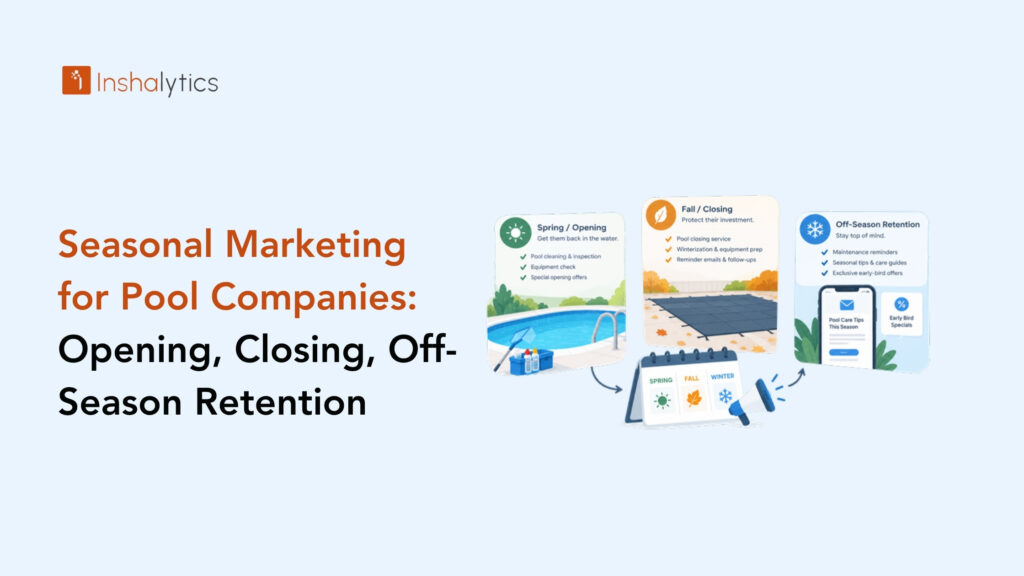
Your phones ring nonstop in June, and by January you wonder whether anyone in your area still owns a pool. That swing is the core problem of seasonal marketing for pool companies, and it is fixable. The owners who stay steady do not work harder in peak season. They plan their marketing around the pool calendar instead of reacting to it. This playbook walks through every stage of the year: opening season, peak, closing, and the quiet months. You will see what to launch, when to launch it, and how to protect your schedule from both the rush and the slump. Use it to build a plan around your own service area and crew capacity.
Why Seasonal Marketing for Pool Companies Starts Before Spring
Pool demand follows the weather, but your marketing does not have to. The companies that win the busy months started working on them long before the first warm weekend.
The Revenue Swing Between Peak and Dead Season
Most pool businesses earn the bulk of their income in a short window. Openings, weekly service starts, and repairs stack up at once, and then the calendar thins out. Depending on your climate and market, that quiet stretch can last a few months or most of a year.
The swing creates two problems. In peak season you turn away work you could have booked with better planning. In the slow season you carry payroll, trucks, and insurance with little coming in. Seasonal marketing smooths both ends by filling your calendar early and keeping customers attached after the season ends.
Where Pool Owners Start Searching Before They Call
Homeowners do not wake up and call a pool company the day they need one. They research first. Many look at reviews, compare a few websites, and check who serves their neighborhood before they ever pick up the phone.
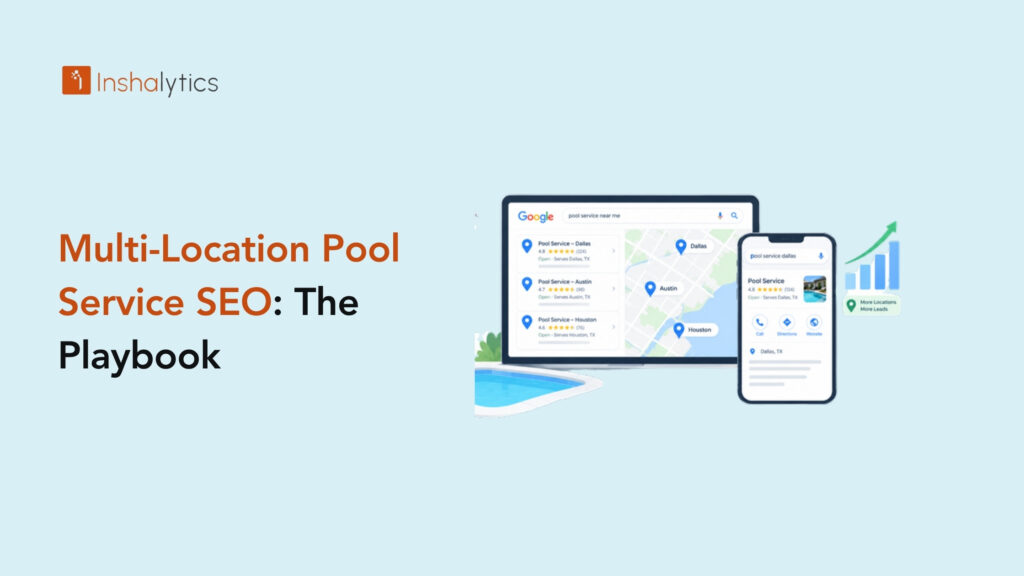
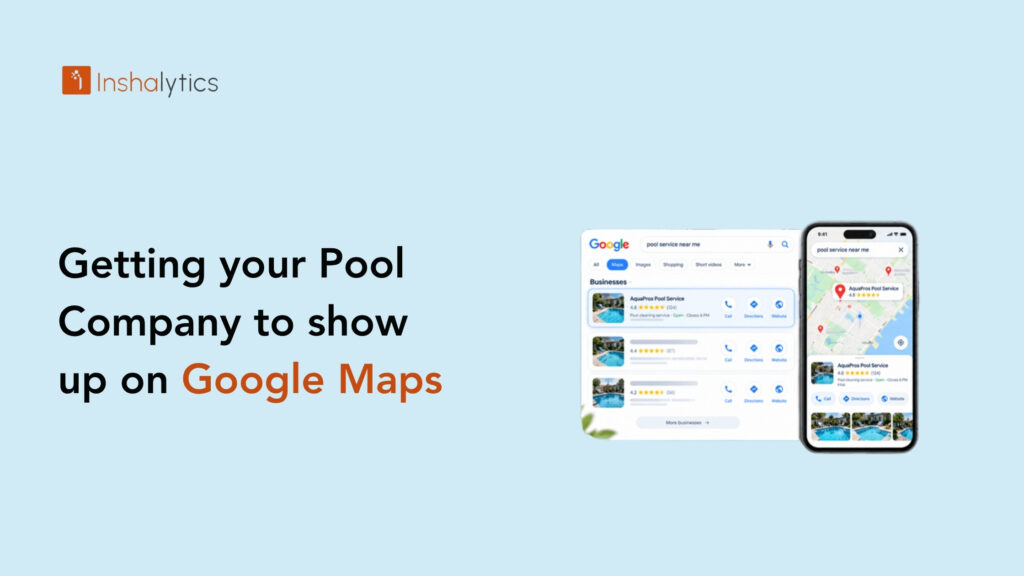
That research phase happens weeks before the busy season. If your Google Business Profile is stale and your site says nothing about openings, you lose the lead before you know it existed. Our guide on local SEO for pool service companies covers how to be visible during that research window.
Why Reactive Ad Spend Loses Money
Turning on ads the week the heat arrives is the most expensive way to market a pool business. Everyone in your market bids at the same time, so clicks cost more and your best slots go to competitors who started earlier.
Reactive spending also ignores your capacity. You pay premium prices for leads you cannot serve fast enough, and slow response kills them anyway. Plan budgets by season instead. Spend earlier when competition is lighter, and pull back when your crews are full. Track what each lead actually costs you, not just what the ads spend.
How Do You Market Pool Openings Before the Season Starts?
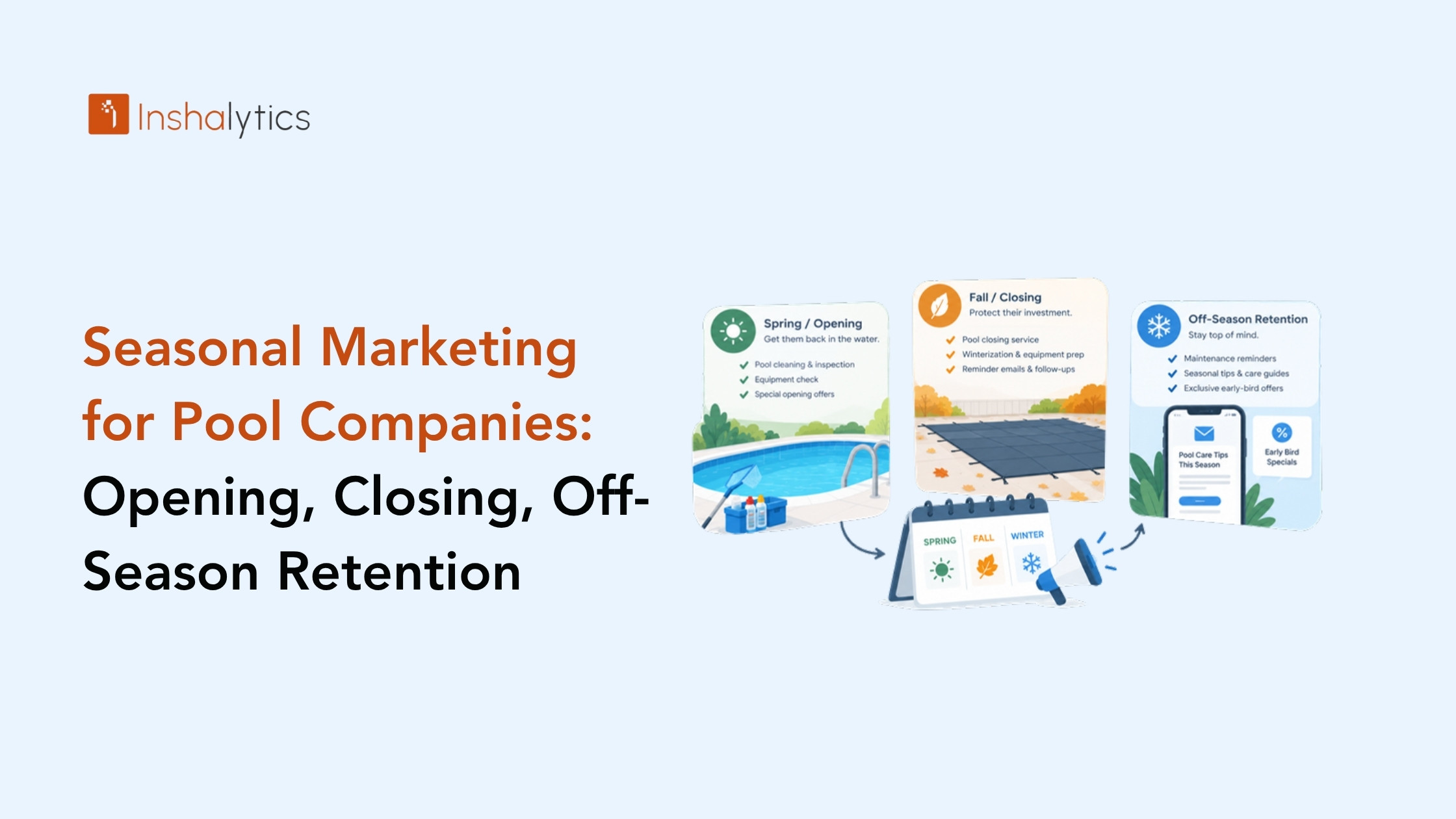
Pool opening marketing is the set of campaigns that fill your spring schedule before the season begins. It combines early outreach to past customers, search ads and local listings for new homeowners, and a booking page built to convert. Done well, it books your calendar weeks ahead of the rush.
Launching Opening Campaigns 8-12 Weeks Out
Start your campaigns 8-12 weeks before your typical first opening date. That gives you time to reach every past customer, test your messaging, and fix problems before demand peaks.
Build the sequence in order. Week one, announce opening slots to your customer list. Weeks three to six, add paid search and a refreshed Google Business Profile. Closer to opening day, push scarcity honestly: limited slots per week, based on real crew capacity. Your exact timing depends on your climate and market, so anchor it to your own first-opening date from last year.
Google Ads and Local Search Targeting for Opening Season
In spring, searchers type phrases like “pool opening near me” and “pool service company.” Target those searches with campaigns scoped tightly to the towns you actually serve. Keep opening, weekly service, and repair in separate campaigns so each gets its own budget and message.
Separate your residential cleaning work from construction work as well, because those buyers search differently and cost different amounts. Our guide to Google Ads for pool companies explains how to split them cleanly.
Email and SMS to Past Customers First
Your past customers are the cheapest bookings you will ever get. They already know your crew and trust your work. Message them before you spend a dollar on new-customer ads.
Send a short email and text with a clear offer: book your opening now and choose your preferred week. Make booking a single tap or one call. Follow up with anyone who opens but does not book. Fill your calendar with returning customers first, then use paid channels to fill the remaining gaps.
Landing Page Essentials for Opening Bookings
Send opening traffic to a dedicated page, not your homepage. The page needs the service name in the headline, your service area, what the opening includes, and one clear booking action.
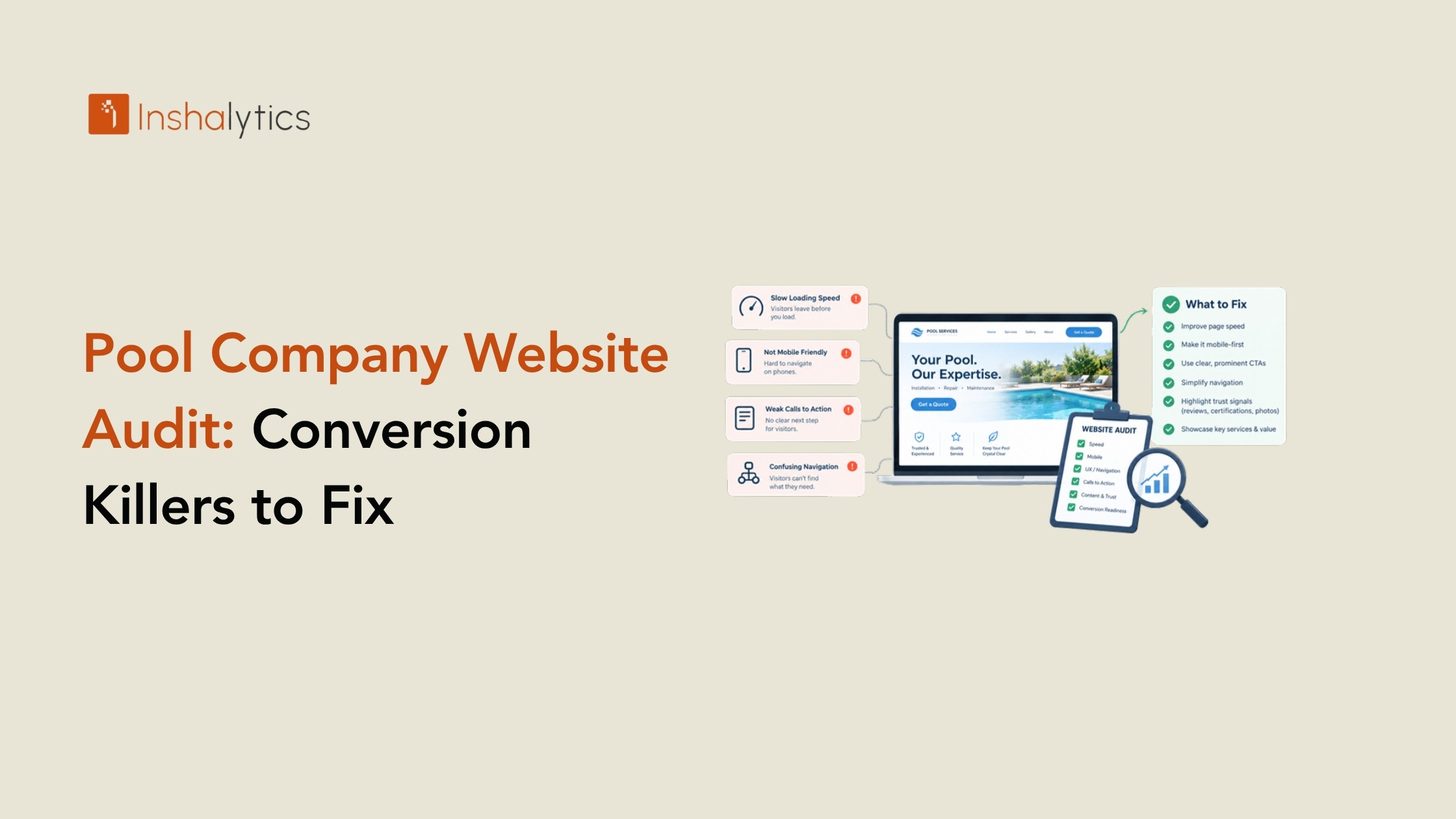
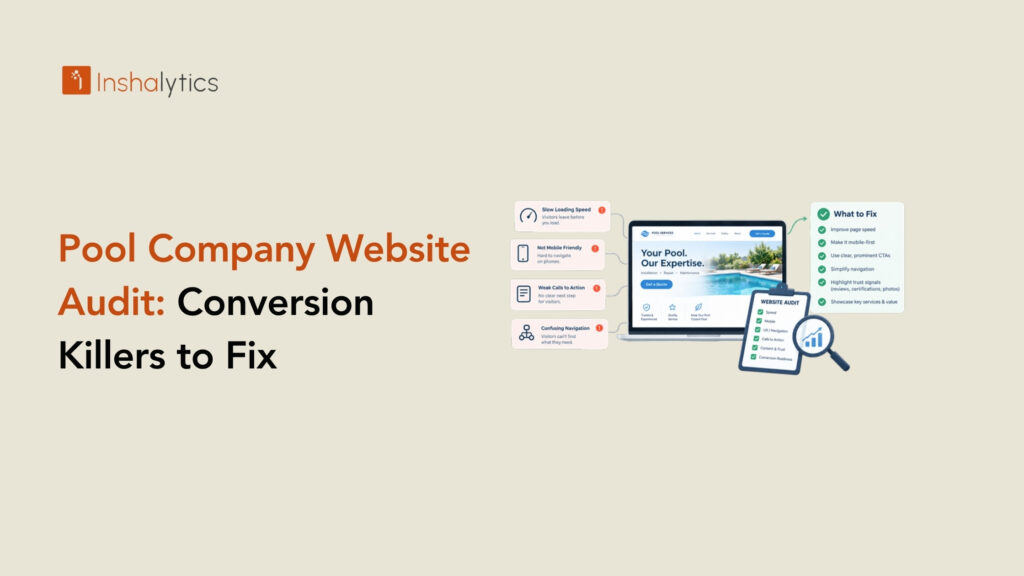
Add a click-to-call button that stays visible on mobile, a short form, and a few real reviews. Show how the process works so nervous first-time customers know what to expect. If your site underperforms, run through our pool company website audit before you spend on traffic.
What Should Pool Companies Do During Peak Season?
Peak season is when you earn the most and market the least, which is exactly why it quietly sets up your next year. Use the busy months to collect reviews, protect your capacity, and grow the value of each customer.
Reviews and Referral Asks at Peak Volume
Peak volume gives you the most chances to ask for a review. Request it right after a successful visit, while the clean, clear water is fresh in the customer’s mind. Send a text with a direct link to your Google review page.
Pair that with a simple referral ask. Neighbors with pools talk to each other, and one happy customer on a street often leads to others. Reviews also feed what homeowners see during their research, which we cover in how homeowners choose a pool service company.
Capacity-Aware Ad Budgets
More leads are not always better. When your crews are booked three weeks out, extra leads mean slow callbacks, rushed quotes, and unhappy prospects.
Set budgets with your schedule in view. When capacity is tight, shift spend toward higher-value jobs like repairs and equipment work, or toward the neighborhoods you can reach efficiently. Reduce broad campaigns and keep a small always-on budget so your pipeline never fully dries out. Review your calendar weekly and adjust.
Upsell Offers (Equipment, Repairs, Weekly Service Upgrades)
Every visit is a chance to serve more. Technicians spot worn pumps, aging filters, and equipment problems before the customer does. Give them a simple way to flag these and send a follow-up quote the same day.
For one-time customers, offer a move to weekly service. For weekly customers, offer upgrades such as equipment checks or added chemical programs. Present each offer as a solution to a problem you saw, not a sales pitch. Upsells raise revenue per customer without adding new ad spend.
Closing and Winterization Marketing That Locks In Next Year
The end of the season is the best moment to secure the next one. Customers are thinking about their pool, and you already have their trust.
Winterization Offers Built Around Rebooking
Do not treat a closing as a one-time job. Package it so it leads naturally into next year. Offer a closing that includes a reminder to book next season’s opening, or a bundled price when the customer commits to both.
Contact customers before your closing season fills up. Tell them the dates available, what the service covers, and how to book in one step. Where closings apply in your area depends on your climate and market, so match the timing to your own local routine.
Pre-Booking Next Season’s Opening at Closing
The easiest sale of the year happens while your technician is already at the pool. Ask the customer to reserve next spring’s opening before you leave.
Give them a reason to say yes: a preferred week, a small loyalty perk, or priority scheduling. Record the booking in your system and set an automatic reminder. Every pre-booked opening is revenue you no longer have to chase with ads. Even a modest share of pre-bookings gives your spring planning a solid base.
Reactivating Lapsed Customers
Some customers drop off after a season or two. They are warmer than any cold lead, so go after them directly.
Pull a list of anyone who has not booked in the past year. Send a friendly message that acknowledges the gap and makes returning easy, such as a flexible opening slot or a quick service check. Keep the tone helpful, not guilt-driven. This simple step is the heart of pool customer retention, and our guide to customer retention strategies goes deeper on keeping customers over the long run.
How Can Pool Companies Keep Leads Coming in the Off-Season?
Pool service off-season marketing means using the slow months to stay visible, build assets, and sell the work that does not depend on swimming weather. The aim is steady inquiries now and a stronger launch when the season returns.
Counter-Seasonal Services and Offers
Look for services that fit the quiet months. Equipment upgrades, repairs, liner and surface work, leak checks, and planning for new builds or renovations do not require warm weather. Many homeowners prefer to schedule them while the pool sits unused.
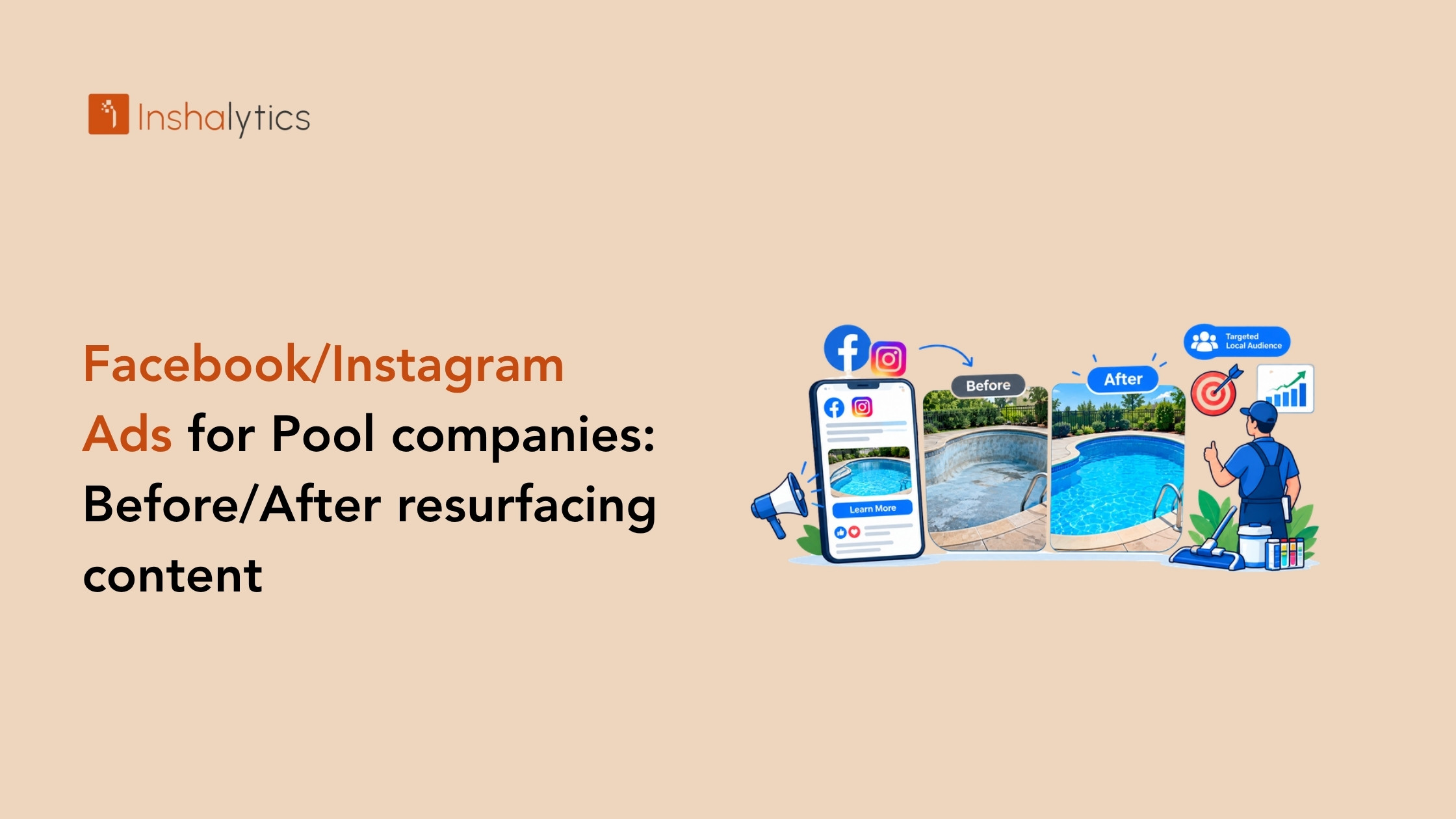
Promote these with offers that reward early booking, such as priority spring scheduling. Our post on Facebook and Instagram ads for pool companies shows how social ads can reach homeowners who are planning ahead, even when nobody is swimming.
Off-Season SEO and Content That Pays Off in Spring
Search rankings take time to build, so the slow months are the best time to invest. Publish pages and articles that answer the questions owners ask before the season: what an opening includes, how to prepare a pool for spring, and what repairs cost.
Content built in winter starts working by the time spring searches arrive. Structure it around a few core pages with supporting articles linked to them. We build content this way for local service businesses, and it gives search engines and homeowners a clear path through your site.
Using Slow Months to Fix Your Website and Tracking
When the phones are quiet, you finally have time to fix what has been bugging you. Update your service pages, speed up slow loads, and tighten your booking forms. Test that every call button and form works on a phone.
Check your tracking, too. Confirm that calls and form submissions are recorded correctly so you know which channels book jobs. Clean data in spring means smarter budget decisions all year.
Build a Year-Round Pool Marketing Calendar with Inshalytics
A good calendar connects every channel to the season and to your capacity. Most pool companies have the pieces but never line them up. At Inshalytics, we build that calendar for pool maintenance businesses using full-stack digital marketing: SEO, PPC, email, and automation working from one plan.
SEO and Content Cadence by Season
We schedule content around the search patterns of the pool year. Opening guides and service pages go live early. Peak season focuses on local visibility, reviews, and your Google Business Profile. Winterization and planning content follows, and the slow months go to deeper articles that build authority.
Each piece links to the others, so your site grows as a connected system. We report on calls and booked jobs, not just rankings, so you see what the work produces.
PPC Budget Shifts Across the Year
Ad budgets should move with the season. Spend ramps up ahead of opening, holds steady through peak at a level your crews can handle, and shifts toward repairs and equipment work when capacity tightens. In the off-season, budgets support counter-seasonal offers and keep your brand present.
We manage Google Ads and Meta Ads on this rhythm and review the numbers regularly. That way you pay for leads you can serve, not just leads you can count.
Email and Marketing Automation for Retention
Automation keeps your past customers close without extra work from your team. Set up reminders for openings, closings, review requests, and lapsed-customer check-ins, then let them run on schedule.
Our guide to email marketing automation for small business explains how to start. If you would rather have it built for you, we create and manage these sequences as part of a complete plan.
Next Steps: Your 12-Month Seasonal Marketing Plan
Seasonal marketing for pool companies comes down to one idea: market to the season you are heading into, not the one you are in. Book openings early, protect capacity at peak, secure next year at closing, and use the quiet months to build. Do those four things and the calendar stops controlling your income.
A Simple Month-by-Month Checklist
Adjust the timing to your climate and market, but keep the order.
- Pre-opening (8-12 weeks out): Email and text past customers, launch opening ads, publish the opening landing page.
- Opening season: Fill slots, respond to every lead fast, request reviews after each job.
- Peak: Set capacity-aware budgets, ask for referrals, offer equipment and service upgrades.
- Closing: Sell winterization, pre-book next opening, reactivate lapsed customers.
- Off-season: Promote counter-seasonal work, publish content, fix your site and tracking.
Metrics to Review Each Season
Track what connects to booked work. Review calls and form submissions by source, cost per booked job, opening slots filled before the season starts, repeat-customer rate, and review volume. Compare each season to the last and adjust.
Metrics are only useful when they change a decision. If a channel books jobs, give it more room. If it does not, fix or cut it.
If you want a seasonal marketing calendar built around your service area and your crew capacity, talk with our team. We will map the year with you, and you can start the next season with a full schedule instead of a scramble.