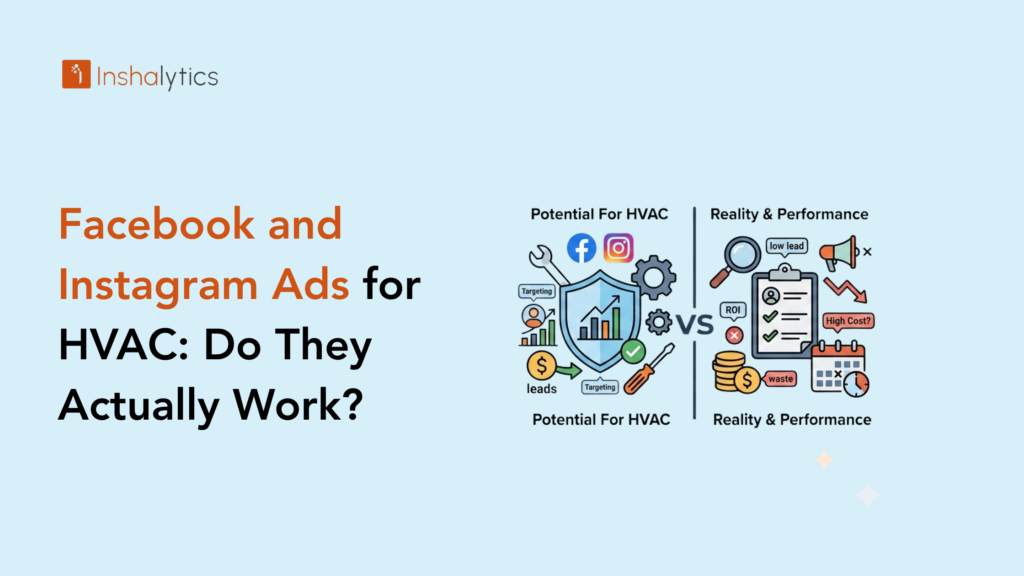
Every HVAC marketing agency wants to sell you Facebook ads. Every Facebook ads guru on YouTube claims they’ll flood your pipeline with leads. And every HVAC contractor who’s tried them once has a different answer to the question: “Do they actually work?”
Here’s the short version: Facebook and Instagram ads work brilliantly for HVAC companies but only for specific scenarios, specific offers, and specific stages of business. For most of what contractors try to use them for, they waste money.
This guide gives you the honest breakdown. When Meta ads make sense, when they don’t, what they actually cost, and how they should fit into a broader marketing system. No hype, no affiliate pitches, just the real answer most marketing agencies won’t give you.
The Short Answer (and Why It’s More Nuanced Than You Think)
Facebook and Instagram ads work for HVAC companies when used correctly, specifically for demand generation during off-seasons, maintenance plan sales, financing offers for replacements, and brand awareness campaigns that pair with Google Ads. They fail when contractors expect them to replicate Google’s high-intent lead flow.
When Meta Ads Work Spectacularly Well for HVAC
Meta ads shine for HVAC in three scenarios:
- Off-season demand generation: Filling spring and fall schedules when Google search volume drops
- High-ticket financing offers: Promoting $0-down, 0% APR financing for system replacements
- Maintenance plan recruitment: Converting one-time customers into recurring revenue
- Brand awareness in your service area: Staying top-of-mind with local homeowners before they need you
In these scenarios, cost-per-lead often runs 30–50% lower than Google Ads.
When Meta Ads Burn Money and Deliver Nothing
Meta ads fail when HVAC companies try to use them for emergency service intent. Someone with a broken AC at 10 PM isn’t scrolling Instagram, they’re searching Google. Running “emergency AC repair” offers on Meta is trying to create demand that doesn’t exist on the platform.
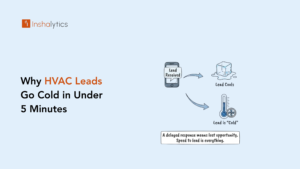
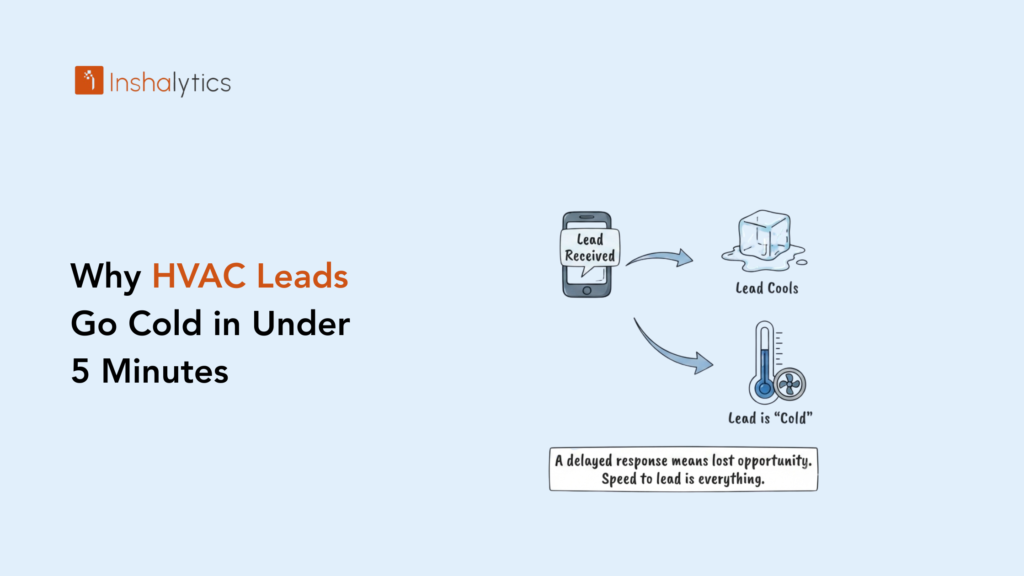
Meta ads also fail when contractors can’t respond to leads within five minutes. Meta lead form completions have dramatically shorter attention windows than Google clicks, and slow follow-up kills conversion rates.
The Core Difference Between Meta and Google Ads for HVAC
Google captures demand that already exists. Meta creates demand that doesn’t. Both have their place in a complete HVAC marketing system, but they solve different problems and require different expectations.
How Facebook and Instagram Ads Work Differently From Google Ads
Understanding the psychology behind each platform determines which campaigns make sense on each.
Demand Capture vs. Demand Creation
When someone Googles “AC repair near me,” they have an immediate problem and commercial intent. Google Ads captures that demand at the moment of intent.
When someone scrolls Instagram, they’re not thinking about their HVAC system. Meta ads plant the seed of future demand. “Maybe I should sign up for that maintenance plan.” “Those financing options look good for replacing my old unit next spring.” The demand didn’t exist before the ad. The ad created it.
Intent Difference: Searching vs. Scrolling
A Google searcher is leaning forward, actively looking for a solution. A Meta scroller is leaning back, passively consuming content. Ad creative has to match the platform’s mental state. Google ads get straight to the point: “Emergency AC Repair, Call Now.” Meta ads have to earn attention first: “Your furnace is probably older than you think. Here’s why that matters before winter…”
Why a Facebook Lead Is Warmer Than Cold but Colder Than Google
A homeowner who fills out a Meta lead form is warmer than a cold call they raised their hand but colder than a Google search lead, because they weren’t actively shopping. Book rates on Meta leads typically run 15–30% vs. 35–50% for Google leads. The economics still work when the cost-per-lead is low enough, but you can’t expect Google-level conversion from Meta traffic.
What Does It Cost to Advertise an HVAC Business on Meta?
Actual cost benchmarks give you realistic budget expectations before you launch.
Average Cost-per-Click: $2–$5 for HVAC
HVAC cost-per-click on Facebook and Instagram typically runs $2–$5, significantly lower than Google’s $8–$50 range. Lower CPC makes sense: you’re interrupting scrolling, not capturing search intent. Cheap clicks aren’t automatically better if they don’t convert, but for awareness and top-of-funnel campaigns, the math favors Meta.
Cost-per-Lead Benchmarks: $35–$150 Depending on the offer
Meta cost-per-lead for HVAC ranges widely based on offer type:
- Service tune-up leads: $35–$65/lead
- Maintenance plan inquiries: $40–$80/lead
- System replacement estimates: $80–$150/lead
- Generic “free estimate” offers: Often $150+ with low quality
Specific, time-bound offers produce the lowest cost-per-lead. Generic offers waste money.
How Seasonality Affects Meta Ad Costs for HVAC
Meta ad inventory prices rise during competitive seasons (back-to-school, holidays, Black Friday) when e-commerce brands flood the platform. HVAC can benefit from running during shoulder seasons (spring and fall) when inventory costs drop. Your off-season is actually Meta’s cheap-inventory season, a planning advantage most contractors miss.
Which HVAC Services Actually Generate Leads on Facebook and Instagram?
Some HVAC services convert beautifully on Meta. Others don’t. Knowing the difference prevents wasted budget.
Maintenance Plans and Seasonal Tune-Ups
Maintenance plans and seasonal tune-ups are Meta’s sweet spot. Homeowners don’t urgently need a tune-up, but a well-crafted ad with a compelling offer (“Spring AC tune-up, $79 book before April 30”) creates demand that wouldn’t exist otherwise. Conversion rates on these offers often beat Google Ads because the offer itself motivates action.
Financing Offers and High-Ticket Replacements
“0% APR for 60 months on new system replacement” is a financing offer that works brilliantly on Meta. Homeowners with old systems know they’ll need replacement eventually. An attractive financing window gets them to act now rather than limp through another season. These leads carry higher ticket values and longer lifetime value.
Indoor Air Quality and Duct Cleaning Add-Ons
Indoor air quality products, UV lights, advanced filtration, and whole-home humidifiers rarely get searched on Google. But a video ad showing a dirty coil and explaining the health implications can create interest that converts at your next service appointment. Meta is one of the only effective channels for building IAQ revenue streams.
Services That Rarely Work on Meta (and Why)
Emergency repair services rarely work on Meta. The intent isn’t there. Same for last-minute furnace replacements or urgent ductwork. These are Google-intent services. Meta sells planned purchases, not emergencies.
How Do You Target HVAC Customers on Facebook and Instagram?
Meta targeting capabilities changed significantly after the 2022 privacy updates, but HVAC companies still have powerful options if they know where to look.
Geographic Targeting: ZIP Codes, Radius, and Service Areas
Geographic targeting is your strongest lever. Target by ZIP code, radius around your shop (minimum one mile), or custom service area polygons. Tight geographic targeting prevents wasted spend on people outside your service area and keeps your messaging locally relevant.
Demographic and Homeowner Targeting After Meta’s Policy Changes
Meta removed direct homeowner targeting in 2022, but workarounds still exist. Target by household income brackets (higher brackets correlate with homeownership), life events (recent movers), and interests related to home improvement, gardening, and real estate. Lookalike audiences built from your existing customer list provide the best targeting available.
Retargeting Website Visitors Who Didn’t Convert
The Meta Pixel installed on your HVAC website lets you retarget visitors who didn’t convert. These audiences are pre-qualified; they have already shown interest in your services. Retargeting typically delivers the lowest cost-per-lead of any Meta campaign type.
Lookalike Audiences Built From Your Customer List
Upload your customer list and let Meta build a lookalike audience of users with similar demographics, interests, and behaviors. Lookalikes built from high-value customers (not just any customer) produce the best-quality leads.
The Meta Ad Formats That Work Best for HVAC
Different ad formats serve different objectives. HVAC companies get the best results from four specific formats.
Lead Generation Ads (In-Platform Forms)
Meta Lead Ads let users fill out a form directly inside Facebook or Instagram without visiting your website. Pre-filled fields (name, email, phone pulled from their Meta profile) reduce friction and boost completion rates. Best for: maintenance plans, seasonal tune-ups, and free estimates.
Video Ads and Tech-in-the-Field Content
Raw, in-the-field video of a technician explaining a common problem outperforms polished corporate content. A 30-second clip showing a dirty coil, explaining why it matters, and offering a tune-up special generates engagement and leads.
Before-and-After Carousels
Carousel ads let you showcase multiple images in a single ad unit. Before-and-after installations, dramatic coil cleanings, or completed ductwork projects work well in carousel format. Each card can have its own headline and link, letting you present multiple services in one creative.
Retargeting Display Ads
Simple retargeting display ads keep your brand in front of website visitors who didn’t convert. “Still thinking about your furnace replacement? Save $500 this week…” Retargeting ads aren’t meant to convert on first view; they’re meant to maintain awareness until the visitor is ready to buy.
Why Meta Ads Fail for Most HVAC Companies (and How to Fix It)
When Meta campaigns flop, the cause is almost always one of three mistakes.
The Speed-to-Lead Problem That Kills Facebook Leads
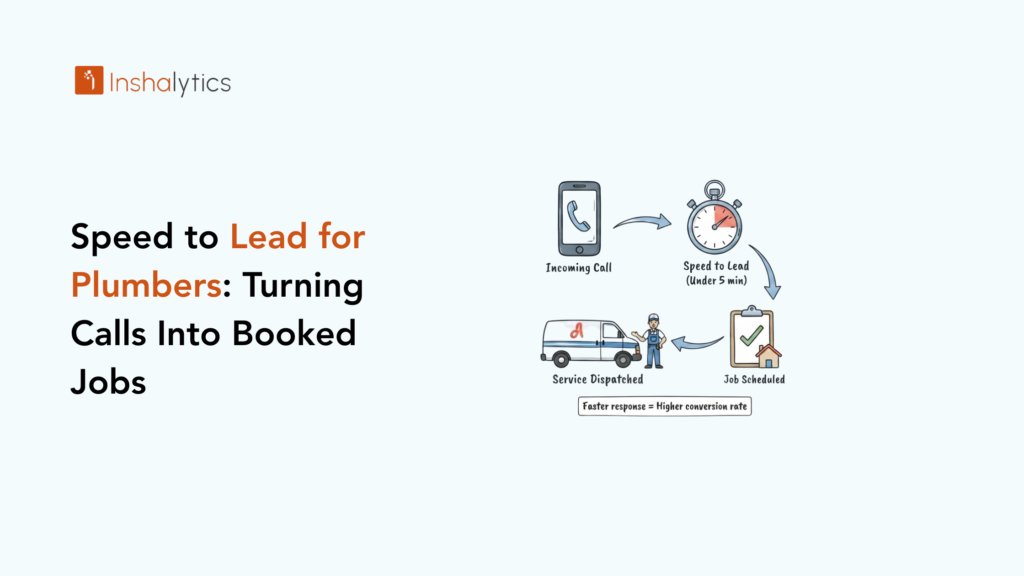
Meta leads have a dramatically shorter conversion window than Google leads. A homeowner who fills out a form at 8 PM expects a response within minutes, not hours. If you can’t respond to Meta leads in under five minutes, they cool rapidly. Automated initial responses via SMS or email marketing tools buy you time to follow up with a real person.
Generic Offers That Don’t Compel Action
“Free estimate” and “call us today” are not offers. They’re invitations that fail on Meta because they give no reason to act now. Winning Meta ads have specific, time-bound offers: “$79 AC tune-up, this week only,” “0% APR financing through March 31,” “$500 off system replacement for quotes booked by April 15.”
Treating Meta Ads Like Google Ads
Many HVAC companies run Meta campaigns with Google-style ads, direct response, bottom-funnel, and immediate conversion expectations. Meta doesn’t work that way. Successful Meta strategies start with awareness and education, build the audience, and then convert warm traffic through retargeting. Running Meta like Google wastes budget at every stage.
How Inshalytics Runs HVAC Meta Ads as Part of a Full-Funnel System
Meta ads work best when integrated with Google Ads, SEO, and follow-up systems, not run in isolation.
The Google + Meta One-Two Punch
Google Ads captures homeowners in search mode. Meta ads build brand awareness so that when those homeowners eventually search on Google, your company is already familiar. Running both produces compound results that neither can achieve alone.
Our Creative and Offer Testing Framework
Every Inshalytics Meta campaign starts with testing multiple creative angles and offers. We run small-budget tests to identify winners before scaling spend, which prevents the common mistake of pouring budget into an offer that doesn’t convert. Winners scale; losers get killed before they drain the budget.
Integrating Meta Leads With Fast Follow-Up Systems
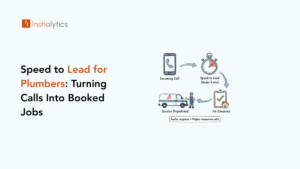
Fast follow-up is the single biggest lever on Meta lead conversion. We integrate lead forms directly with CRM, dispatch software, and automated text responses so new leads trigger action within 60 seconds.
Should Your HVAC Business Run Meta Ads in 2026?
Meta ads aren’t universally right for every HVAC business. A quick self-assessment tells you whether they fit your stage and goals.
The 4-Question Checklist Before You Spend a Dollar
Answer honestly before launching Meta ads:
- Do you have a specific, compelling offer? Not “free estimate,” something time-bound and valuable.
- Can you respond to leads in under five minutes? If not, you’ll burn budget on leads that cool before you call.
- Are you trying to fill off-season schedules or promote specific services? If yes, Meta fits. If you need emergency leads, it doesn’t.
- Can you commit to at least three months of testing? Meta requires optimization cycles. One month of data isn’t enough.
A Realistic First 90 Days on Meta
Month one: Launch 2–3 creative variations of your strongest offer. Expect higher-than-average cost-per-lead as Meta’s algorithm learns. Month two: Kill underperforming creative, double down on winners, and add retargeting campaigns. Month three: Steady-state performance with optimized cost-per-lead. By day 90, you’ll know whether Meta is a profitable channel for your specific business.
Facebook and Instagram ads can produce real results for HVAC companies, but not by running Google-style campaigns on Meta platforms or expecting emergency leads from a scrolling audience. Used strategically for demand generation, maintenance plans, financing offers, and off-season pipeline building, Meta ads become a profitable complement to your Google and SEO efforts. If you want an honest assessment of whether Meta ads fit your business right now, book a free audit, and we’ll tell you truthfully whether your budget belongs on Meta or somewhere else.