
Pay-Per-Click (PPC) is a digital advertising model where advertisers pay a fee each time someone clicks on their ad. Rather than earning website visits organically through SEO, PPC allows businesses to buy visits by bidding on ad placement in search engines, social media platforms, and other websites. Essentially, you’re paying for targeted traffic to your website, landing page, or app.
The most common form of PPC is search engine advertising, where ads appear above or below organic search results when users search for specific keywords. Google Ads (formerly Google AdWords) is the largest and most popular PPC platform, followed by Microsoft Advertising (Bing Ads), though PPC extends far beyond search engines to include social media, display networks, and video platforms.
Navigate This Post
How PPC Advertising Works
PPC operates on an auction-based system where advertisers compete for ad placement by bidding on keywords or audience segments relevant to their business.
The PPC Auction Process
When a user performs a search or visits a website with ad space, an automated auction takes place in milliseconds:
- User triggers the auction – Someone searches for “running shoes” or visits a sports website
- Eligible ads enter the auction – Advertisers who bid on relevant keywords or audiences compete
- Ad Rank is calculated – The platform determines ad positions based on bid amount and quality factors
- Ads are displayed – Winning ads appear in designated positions
- Payment occurs on click – Advertisers only pay when someone actually clicks their ad
The cost per click (CPC) varies based on competition, industry, keyword value, and ad quality. Competitive keywords like “insurance” or “lawyer” can cost $50+ per click, while niche terms might cost just a few cents.
Key Components of Ad Rank
Your ad position isn’t determined solely by how much you bid. Search engines use a Quality Score system that considers:
- Bid amount – Your maximum willingness to pay per click
- Ad relevance – How closely your ad matches the search query
- Expected click-through rate (CTR) – Likelihood users will click your ad
- Landing page experience – Quality, relevance, and load speed of your destination page
- Ad format impact – Use of extensions and additional features
This means a well-optimized ad with a lower bid can outrank a poorly crafted ad with a higher bid, making PPC more accessible to businesses with smaller budgets.
Major PPC Platforms
Google Ads
The dominant PPC platform, offering multiple campaign types:
- Search Ads – Text ads appearing in Google search results
- Display Ads – Visual banner ads across Google’s Display Network
- Shopping Ads – Product listings with images, prices, and merchant names
- Video Ads – YouTube advertising in various formats
- App Ads – Promotion across Google properties for app downloads
Microsoft Advertising (Bing Ads)
Often overlooked but valuable, reaching users on Bing, Yahoo, and partner sites. Generally offers lower costs per click with less competition than Google.
Social Media PPC
- Facebook Ads – Highly targeted ads based on demographics, interests, and behaviors
- Instagram Ads – Visual-focused advertising integrated into feeds and stories
- LinkedIn Ads – B2B-focused platform ideal for professional services and recruitment
- Twitter (X) Ads – Promoted tweets and accounts for brand awareness
- TikTok Ads – Video-first platform popular with younger demographics
- Pinterest Ads – Shopping-focused visual discovery platform
Amazon Advertising
Essential for e-commerce sellers, placing product ads directly in Amazon search results and product pages where purchase intent is highest.
Benefits of PPC Advertising
1. Immediate Results
Unlike SEO, which can take months to show results, PPC campaigns can drive traffic within hours of launch. This makes it ideal for new businesses, product launches, or time-sensitive promotions.
2. Precise Targeting
PPC platforms offer sophisticated targeting options:
- Keywords – Reach users searching specific terms
- Demographics – Age, gender, income, education level
- Location – Target specific countries, cities, or radius around a location
- Device – Optimize for mobile, desktop, or tablet users
- Time – Show ads during specific hours or days
- Audience – Retarget previous visitors or reach similar audiences
3. Measurable ROI
Every aspect of PPC is trackable: impressions, clicks, conversions, cost per acquisition, and return on ad spend. This data-driven approach allows for continuous optimization and clear ROI calculation.
4. Budget Control
You set daily budgets and maximum bids, ensuring you never overspend. Campaigns can be paused, adjusted, or scaled instantly based on performance.
5. Brand Visibility
Even if users don’t click, seeing your ad at the top of search results increases brand awareness and credibility. This “impression value” benefits your overall marketing efforts.
6. Competitive Advantage
PPC allows you to appear above competitors in search results, even if they outrank you organically. You can also target competitor brand names (where permitted) to capture their audience.
Understanding PPC Metrics
Cost Per Click (CPC)
The actual amount you pay when someone clicks your ad. Average CPC varies widely by industry, from $1-2 for retail to $50+ for legal services.
Click-Through Rate (CTR)
The percentage of people who click your ad after seeing it. A higher CTR indicates compelling ad copy and strong relevance. Average CTR for search ads is around 3-5%, but this varies by position and industry.
Conversion Rate
The percentage of clicks that result in desired actions (purchases, signups, calls). This metric reveals how effective your landing pages and offers are.
Quality Score
Google’s 1-10 rating of your ad’s relevance and quality. Higher scores lead to better ad positions and lower costs per click.
Cost Per Acquisition (CPA)
Total ad spend divided by conversions. This tells you how much you’re paying to acquire a customer or lead.
Return on Ad Spend (ROAS)
Revenue generated divided by ad spend, typically expressed as a ratio (4:1 means $4 earned for every $1 spent). Essential for determining campaign profitability.
Impression Share
The percentage of times your ad appeared compared to the total eligible impressions. Low impression share indicates budget limitations or low Ad Rank.
PPC vs. SEO: Understanding the Difference
While both PPC and SEO aim to increase website visibility in search engines, they operate differently:
PPC (Paid Search):
- Immediate results
- Pay per click
- Appears above organic results (marked as “Ad” or “Sponsored”)
- Budget-dependent visibility
- Easy to test and adjust
- Stops when budget runs out
SEO (Organic Search):
- Takes time to build (3-6 months+)
- Free clicks (but requires investment in content/optimization)
- Appears below paid ads
- Sustainable long-term traffic
- Builds authority and trust
- Continues even without active investment
The Ideal Approach: Most successful digital marketing strategies combine both PPC and SEO. Use PPC for immediate visibility and testing, while building organic presence through SEO for long-term sustainable growth.
PPC Best Practices for Success
1. Keyword Research is Foundation
Use tools like Google Keyword Planner, SEMrush, or Ahrefs to identify high-intent keywords with reasonable competition. Focus on buyer-intent keywords (e.g., “buy Nike running shoes size 10”) rather than informational queries.
2. Create Compelling Ad Copy
Your ad needs to stand out in seconds:
- Include your main keyword in the headline
- Highlight unique selling points (free shipping, 24-hour support, etc.)
- Use clear calls-to-action (Buy Now, Get Quote, Sign Up)
- Include numbers and statistics when possible
- Test multiple variations to find winners
3. Optimize Landing Pages
Sending traffic to generic homepages wastes money. Create dedicated landing pages that:
- Match ad messaging and keywords
- Have clear, singular calls-to-action
- Load quickly (under 3 seconds)
- Are mobile-responsive
- Build trust with testimonials and security badges
4. Use Negative Keywords
Exclude searches that aren’t relevant to prevent wasted clicks. For example, if you sell premium products, add “cheap” and “free” as negative keywords.
5. Leverage Ad Extensions
Enhance your ads with additional information at no extra cost:
- Sitelink extensions (additional page links)
- Call extensions (phone numbers)
- Location extensions (address and map)
- Callout extensions (highlight features)
- Structured snippets (product categories)
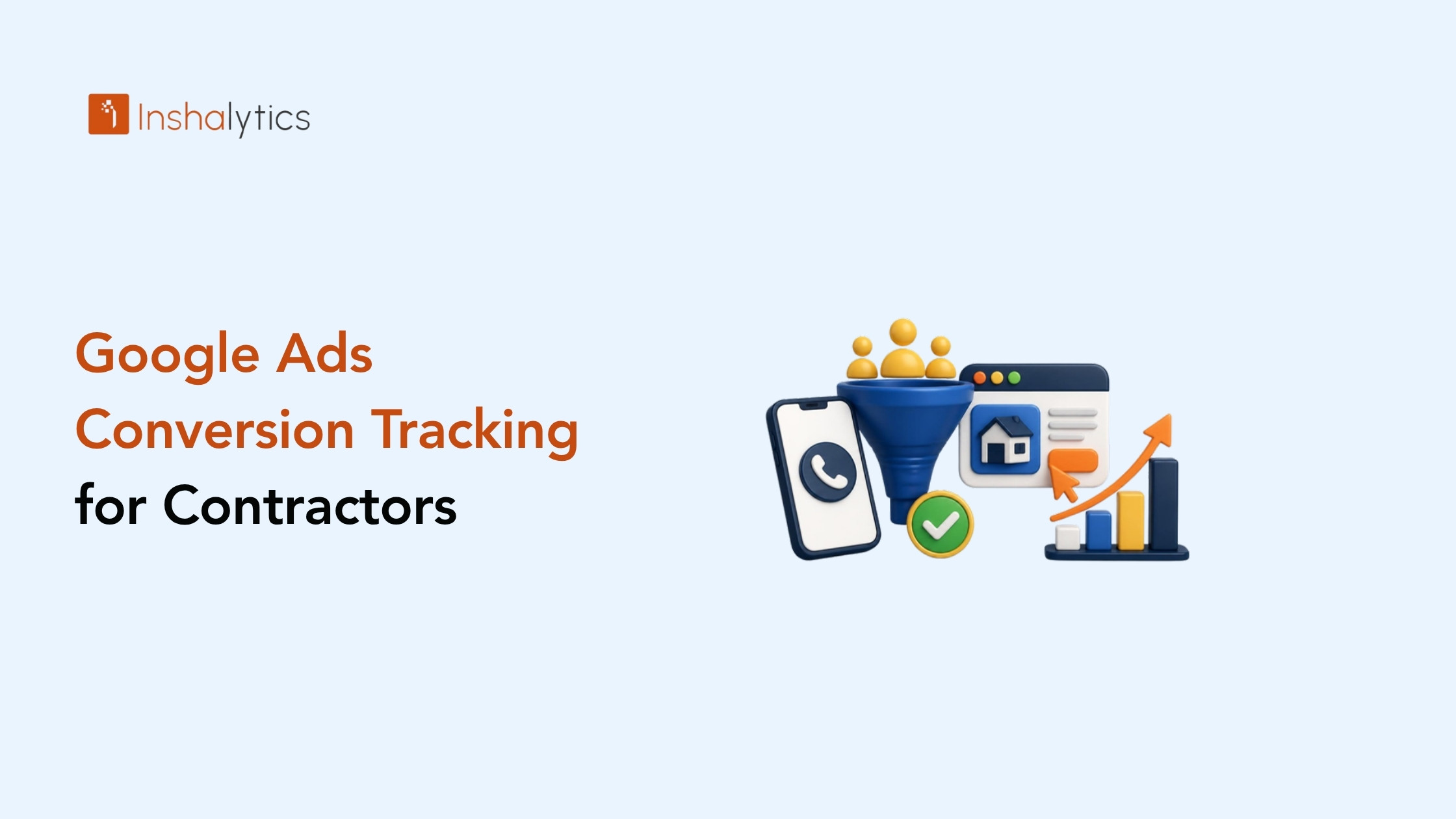
6. Implement Conversion Tracking
Set up proper tracking to measure which keywords, ads, and campaigns drive actual business results, not just clicks.
7. Test Continuously
Run A/B tests on ad copy, landing pages, bidding strategies, and targeting. Small improvements compound over time for significant ROI gains.
8. Start Small and Scale
Begin with modest budgets, prove what works, then gradually increase spending on profitable campaigns while cutting losers.
Common PPC Mistakes to Avoid
- Not using negative keywords – Wasting budget on irrelevant clicks
- Poor landing page experience – High bounce rates and low conversions
- Ignoring Quality Score – Paying more than necessary per click
- Set and forget approach – PPC requires ongoing optimization
- Targeting too broadly – Diluting budget across irrelevant audiences
- Not tracking conversions – Flying blind without knowing what works
- Copying competitors blindly – Your audience and goals may differ
Conclusion
PPC advertising is one of the most effective digital marketing channels when executed properly. It offers immediate visibility, precise targeting, and measurable results that allow businesses to scale profitably. Whether you’re a small local business or a large e-commerce brand, PPC provides opportunities to reach potential customers at the exact moment they’re searching for your products or services.
The key to PPC success lies in continuous testing, optimization, and alignment with broader marketing goals. By understanding how PPC works, choosing the right platforms, crafting compelling ads, and obsessively tracking performance, you can build campaigns that deliver consistent, profitable returns.
While PPC requires ongoing investment and management, its ability to generate immediate, targeted traffic makes it an indispensable tool in the modern digital marketer’s arsenal.
Key Takeaway: PPC (Pay-Per-Click) is a performance-based advertising model where businesses pay only when users click their ads, offering immediate visibility, precise targeting, and measurable ROI across search engines and social media platforms.