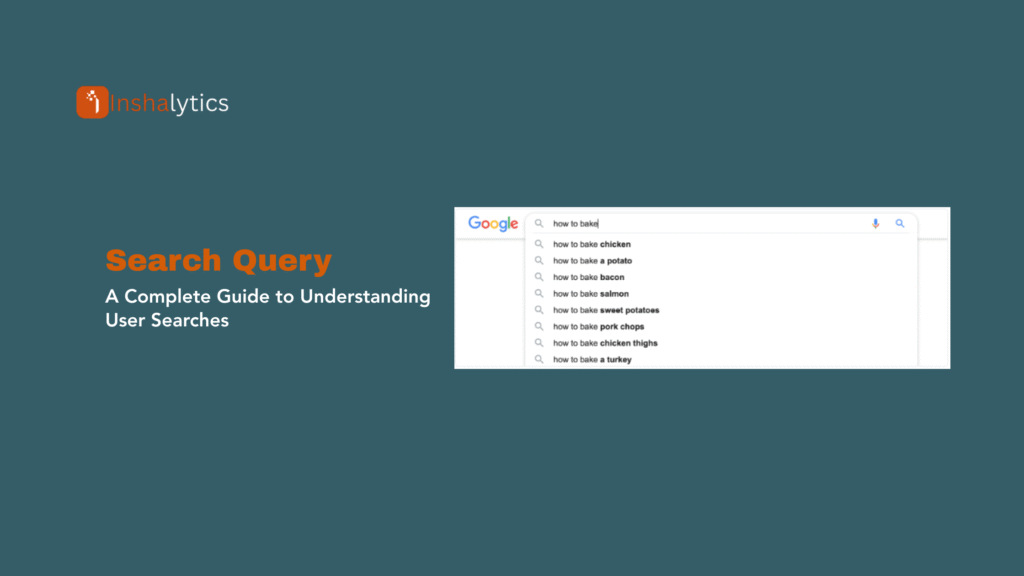
A search query is the word, phrase, or question that a user types or speaks into a search engine to find information, products, services, or answers. Also called a search term or keyword, queries are the fundamental connection between what users want and the content search engines deliver. Understanding search queries is essential for SEO, content marketing, and paid advertising because they reveal user intent, needs, and the language your audience uses to find solutions.
Every day, billions of search queries are entered into Google, Bing, and other search engines. Each query represents a person seeking something specific whether it’s information about “how to bake sourdough bread,” a product like “wireless headphones under $100,” or a specific website like “Facebook login.” For digital marketers, analyzing and optimizing for the right queries can mean the difference between visibility and obscurity.
Navigate This Post
Types of Search Queries
Search queries fall into several distinct categories based on user intent. Understanding these types helps you create content that matches what users actually want.
1. Informational Queries
Users seeking knowledge or answers to questions use informational queries. These represent the majority of all searches and indicate users in the early stages of awareness.
Examples:
- “What is SEO”
- “How to lose weight”
- “Python tutorial for beginners”
- “Why is the sky blue”
- “Benefits of meditation”
Content Strategy: Create comprehensive guides, tutorials, how-to articles, definitions, and educational content. Focus on answering questions thoroughly and establishing expertise.
2. Navigational Queries
Users searching for a specific website or page use navigational queries. They already know where they want to go but use search engines instead of typing the full URL.
Examples:
- “Facebook login”
- “YouTube”
- “Amazon customer service”
- “Gmail”
- “Nike official site”
Content Strategy: Ensure your brand name and important pages are optimized. Claim and optimize your Google Business Profile. Use branded keywords strategically.
3. Transactional Queries
Users ready to complete an action usually a purchase use transactional queries. These high-intent searches are extremely valuable for businesses.
Examples:
- “Buy iPhone 15 Pro”
- “Book flight to London”
- “Order pizza near me”
- “Subscribe to Netflix”
- “Download Photoshop”
Content Strategy: Optimize product pages, create clear calls-to-action, streamline checkout processes, and use PPC advertising for immediate visibility.
4. Commercial Investigation Queries
Users researching before making a purchase use commercial investigation queries. They’re comparing options, reading reviews, and evaluating alternatives.
Examples:
- “Best laptop for video editing”
- “iPhone vs Samsung comparison”
- “Honest review of Grammarly”
- “Top CRM software 2024”
- “Affordable web hosting providers”
Content Strategy: Create comparison articles, product reviews, buying guides, and feature breakdowns. Include pros and cons, pricing details, and expert recommendations.
5. Local Queries
Users looking for nearby businesses or services use local queries, often including location modifiers or relying on their device’s location.
Examples:
- “Coffee shop near me”
- “Plumber in Chicago”
- “Best restaurants downtown”
- “Dentist open Saturday”
- “Yoga classes nearby”
Content Strategy: Optimize for local SEO with Google Business Profile, local citations, location-specific content, and reviews.
Query Length and Specificity
Short-Tail Queries
One or two words with high search volume but vague intent and high competition.
Examples: “shoes,” “marketing,” “recipes”
Characteristics:
- High search volume (10,000+ monthly searches)
- Broad, unclear intent
- Difficult to rank for
- Lower conversion rates
- Expensive in PPC
Mid-Tail Queries
Two to three words with moderate search volume and clearer intent.
Examples: “running shoes,” “email marketing tips,” “keto recipes”
Characteristics:
- Moderate search volume (1,000-10,000 monthly searches)
- More specific intent
- Balanced competition
- Better conversion rates
- Reasonable PPC costs
Long-Tail Queries
Three or more words with low search volume but very specific intent.
Examples: “best running shoes for flat feet,” “email marketing tips for small business,” “easy keto dinner recipes for beginners”
Characteristics:
- Lower search volume (10-1,000 monthly searches)
- Highly specific intent
- Easier to rank for
- Higher conversion rates
- Lower PPC costs
- Collectively represent 70% of all searches
How Search Engines Process Queries
When you enter a query, search engines perform complex operations in milliseconds:
1. Query Understanding
Search engines analyze your query to understand:
- Intent – What you’re trying to accomplish
- Context – Your location, search history, device
- Meaning – Synonyms, related terms, entity recognition
- Language – Detecting and translating if needed
2. Query Expansion
Search engines may broaden or modify queries:
- Adding synonyms (“car” includes “automobile,” “vehicle”)
- Recognizing misspellings and typos
- Understanding conversational language
- Considering related concepts
3. Matching and Ranking
Search engines match queries against their index:
- Finding relevant pages containing query terms
- Evaluating content quality and relevance
- Considering page authority and trust signals
- Analyzing user engagement metrics
- Personalizing based on user data
4. Result Presentation
Search engines display results with:
- Organic listings (unpaid results)
- Paid advertisements (PPC)
- Featured snippets (answer boxes)
- Knowledge panels
- Local pack results
- Image and video carousels
- Related questions (People Also Ask)
Why Search Queries Matter for SEO
Understanding Audience Language
Queries reveal exactly how your target audience describes their problems and searches for solutions. This language should inform your content creation and keyword targeting.
Matching User Intent
Creating content aligned with query intent improves rankings and user satisfaction. A transactional query like “buy wireless mouse” should lead to a product page, not a blog post about mouse history.
Keyword Research Foundation
Analyzing query data helps identify:
- High-volume opportunities
- Low-competition long-tail keywords
- Trending topics in your industry
- Content gaps competitors haven’t filled
- Seasonal search patterns
Content Strategy Direction
Query analysis reveals what content to create:
- Which questions your audience asks most
- What topics generate the most interest
- How to structure and format content
- What depth of coverage is needed
Tools for Query Research and Analysis
Google Search Console
Shows actual queries driving traffic to your site:
- Impressions and clicks per query
- Average position in search results
- Click-through rates
- Queries you rank for but don’t target
Google Keyword Planner
Provides search volume and competition data:
- Monthly search volume estimates
- Related keyword suggestions
- Competition levels for PPC
- Bid estimates for paid campaigns
Third-Party SEO Tools
Platforms like Ahrefs, SEMrush, and Moz offer:
- Keyword difficulty scores
- Competitor query analysis
- SERP feature opportunities
- Question-based query discovery
- Trend analysis over time
Google Trends
Reveals query popularity over time:
- Rising and declining search interest
- Geographic search patterns
- Related queries gaining traction
- Seasonal fluctuations
Answer the Public
Visualizes questions people ask:
- Who, what, when, where, why, how questions
- Comparison queries
- Alphabetical query suggestions
- Preposition-based queries
Optimizing Content for Search Queries
1. Target Specific Queries
Rather than vague topics, create content targeting specific queries with clear intent. Instead of “social media,” target “how to create a social media content calendar.”
2. Use Natural Language
Modern search engines understand conversational queries. Write naturally, incorporating queries as they appear in real searches rather than forcing awkward keyword placement.
3. Answer Questions Directly
Structure content to answer query questions clearly:
- Use question headings matching common queries
- Provide concise answers in the first paragraph
- Include detailed explanations below
- Use formatting (lists, tables) for scannability
4. Cover Related Queries
Address related questions and subtopics within comprehensive content. This increases relevance for multiple related queries and improves ranking potential.
5. Optimize for Featured Snippets
Structure content to capture position zero:
- Provide clear, concise definitions
- Use numbered or bulleted lists
- Create comparison tables
- Answer who, what, when, where, why, how questions
- Keep answers between 40-60 words for snippet optimization
6. Consider Voice Search Queries
Voice searches tend to be longer and more conversational:
- Target question-based queries
- Use natural, conversational language
- Optimize for local queries
- Provide direct, concise answers
- Structure content with clear headings
The Evolution of Search Queries
Search behavior continues evolving with technology:
Voice Search
Voice assistants (Siri, Alexa, Google Assistant) have made queries more conversational and question-based. Instead of “weather New York,” users ask “What’s the weather like in New York today?”
Visual Search
Image-based queries through Google Lens and Pinterest Lens allow users to search with photos rather than words, though text queries still dominate.
AI-Powered Search
ChatGPT and Google’s AI Overviews are changing how users find information, leading to more complex, multi-part queries and conversational follow-ups.
Zero-Click Searches
Increasingly, search engines provide direct answers in featured snippets and knowledge panels, meaning users get information without clicking any results. This makes optimizing for visibility in SERP features crucial.
Conclusion
Search queries are the bridge connecting user needs with content solutions. Understanding the types of queries, their intent, and how to optimize for them is fundamental to successful digital marketing. By analyzing what your audience searches for and creating content that genuinely addresses those queries, you improve visibility, attract qualified traffic, and better serve user needs.
The most successful SEO and content strategies start with deep query research, identifying not just what people search for, but why they search and what they hope to accomplish. When you align your content with the language, intent, and expectations revealed through search queries, you create valuable experiences that both users and search engines reward.
Key Takeaway: A search query is the word or phrase users enter into search engines to find information, representing their intent and needs. Understanding query types (informational, navigational, transactional, commercial, local) and optimizing content to match specific queries is essential for SEO success and connecting with your target audience.