In the world of digital marketing analytics, few metrics spark as much concern and sometimes confusion as bounce rate. This seemingly simple percentage can reveal critical insights about your website’s performance, user experience, and content effectiveness. But what exactly is bounce rate, and more importantly, what should you do about it?
Navigate This Post
What Is Bounce Rate?
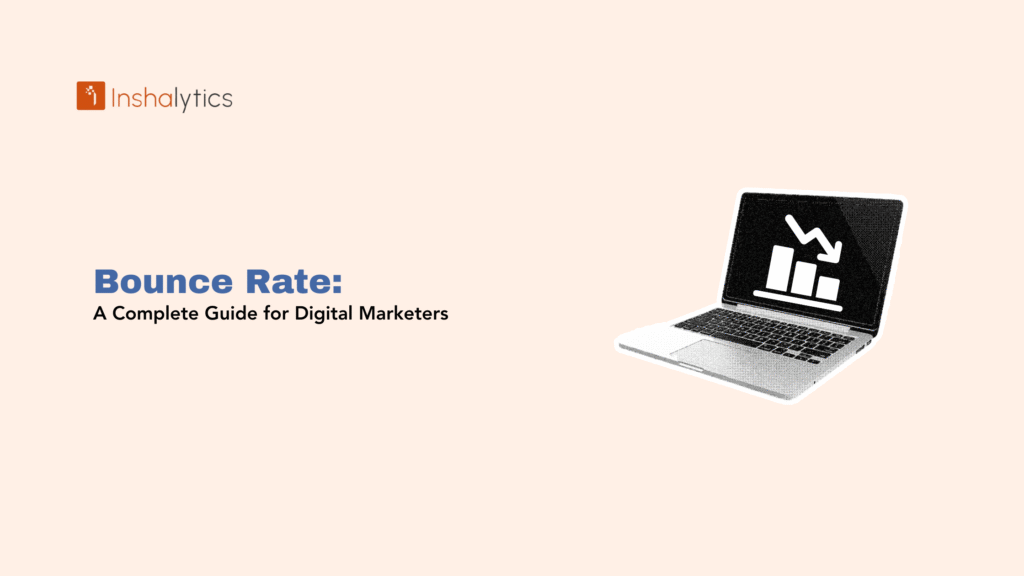
Bounce rate is the percentage of website visitors who land on a page and leave without taking any additional action or visiting any other pages on your site. In other words, they “bounce” away after viewing only a single page. This metric is automatically tracked by most web analytics platforms, including Google Analytics, and serves as an important indicator of user engagement and content relevance.
The calculation is straightforward: bounce rate equals the number of single-page sessions divided by the total number of sessions on your website, expressed as a percentage. For example, if your homepage receives 1,000 visitors in a month and 600 of them leave without clicking through to another page, your homepage bounce rate would be 60%.
Why Bounce Rate Matters
Bounce rate matters because it provides immediate feedback about how well your website meets visitor expectations. When users leave after viewing just one page, it often signals one or more underlying issues that need attention.
From a user experience perspective, a high bounce rate might indicate that visitors aren’t finding what they’re looking for, the page loads too slowly, or the design is confusing or uninviting. It could also suggest that your content isn’t compelling enough to encourage further exploration of your site.
For search engine optimization (SEO), bounce rate can indirectly impact your rankings. While Google has stated that bounce rate itself isn’t a direct ranking factor, the user behavior it represents certainly matters. If users consistently bounce from your pages, it signals to search engines that your content may not be satisfying user intent, which can affect your visibility in search results over time.
What Causes High Bounce Rates?
Understanding the root causes of high bounce rates is essential for developing effective solutions. Several common factors contribute to visitors leaving your site prematurely:
Poor content relevance is perhaps the most common culprit. When the content on your landing page doesn’t match what users expected based on the search query or link they clicked, they’ll quickly leave to find more relevant information elsewhere. This misalignment often stems from misleading meta descriptions, inaccurate ad copy, or content that doesn’t target the right keywords.
Slow page load times frustrate users and drive them away before they even see your content. Research consistently shows that pages taking longer than three seconds to load experience significantly higher bounce rates. In our fast-paced digital environment, users expect instant access to information.
Poor mobile optimization has become increasingly critical as mobile traffic continues to dominate web usage. If your site isn’t responsive or provides a subpar mobile experience, smartphone and tablet users will abandon your pages immediately.
Confusing navigation and design can leave visitors unsure of where to go next. If users can’t easily find what they’re looking for or the next logical step isn’t clear, they’re likely to give up and leave.
Intrusive pop-ups and ads can drive visitors away, especially when they appear immediately upon page load or make it difficult to access the content. While some pop-ups can be effective for conversions, poorly implemented ones damage user experience.
Lack of clear calls-to-action means visitors who might be interested in exploring more don’t know what to do next. Without guidance, they may simply close the tab rather than searching for additional content.
What’s a “Good” Bounce Rate?
The question of what constitutes a good bounce rate doesn’t have a universal answer—it varies significantly based on your industry, page type, and traffic sources.
As a general benchmark, bounce rates typically range from 40% to 60% for most websites. However, context is everything. Blog posts and informational content naturally tend to have higher bounce rates (often 70-90%) because users may find exactly what they need on a single page and then leave satisfied. This isn’t necessarily a problem.
E-commerce product pages typically see bounce rates between 20-45%, as users generally need to navigate through multiple pages to complete a purchase. Landing pages designed for specific campaigns might have bounce rates anywhere from 60-90%, depending on their purpose.
Service-based websites usually aim for bounce rates between 30-55%, while content websites and blogs might see rates of 40-60% or higher. What matters most isn’t comparing your bounce rate to arbitrary standards, but understanding whether your specific metrics indicate problems with user experience or content effectiveness.
How to Improve Your Bounce Rate
Improving bounce rate requires a strategic approach focused on enhancing user experience and content relevance:
Start by optimizing page load speed. Compress images, minimize code, leverage browser caching, and consider using a content delivery network (CDN). Every second of load time you eliminate can significantly reduce bounce rates.
Improve content quality and relevance by ensuring your content matches user search intent. Use clear, engaging headlines and deliver on the promises made in your meta descriptions and ad copy. Make your content scannable with subheadings, bullet points, and short paragraphs.
Enhance your mobile experience by implementing responsive design, ensuring buttons and links are easily tappable, and testing your site on various devices. With mobile-first indexing now standard, this isn’t optional.
Create clear navigation paths by including internal links to related content, using prominent calls-to-action, and making your site structure intuitive. Help visitors understand where they can go next and why they should.
Reduce distractions by limiting pop-ups, especially on initial page load. Ensure ads don’t interfere with content consumption and avoid auto-playing videos with sound.
Target the right audience through better keyword research and more accurate ad targeting. It’s better to have fewer visitors who are genuinely interested than high traffic that immediately bounces.
Common Bounce Rate Misconceptions
It’s important to dispel some common myths about bounce rate. A high bounce rate isn’t always bad it depends on your page’s purpose. If someone lands on your contact page, finds your phone number, and calls you, that’s a successful visit even though it resulted in a “bounce.”
Similarly, bounce rate doesn’t directly measure time on page. A visitor might spend 10 minutes reading your article and then leave that’s still counted as a bounce despite being valuable engagement.
Also remember that bounce rate varies by traffic source. Direct traffic and email campaigns typically have lower bounce rates than social media or display advertising, simply because users from these sources often have clearer intent.
Conclusion
Bounce rate is a valuable metric that provides insights into user behavior and content effectiveness, but it should never be viewed in isolation. Context matters enormously consider your page type, traffic sources, industry standards, and overall business goals when evaluating whether your bounce rate indicates a problem.
Rather than obsessing over achieving the lowest possible bounce rate, focus on creating a website that delivers value to visitors. When you provide relevant content, excellent user experience, and clear paths for engagement, lower bounce rates will naturally follow. Remember that the ultimate goal isn’t to trap visitors on your site, but to create such compelling content and experiences that they want to explore further.
Monitor your bounce rate regularly, but always pair it with other metrics like time on page, pages per session, and conversion rates to get a complete picture of your website’s performance. By understanding what bounce rate really means and taking targeted action to improve it, you’ll create a better experience for your visitors and stronger results for your business.