In the competitive landscape of search engine optimization, ranking first on Google has long been the ultimate goal. But there’s actually something better than the number one position featured snippets occupy the coveted “position zero” at the very top of search results, above all organic listings. These prominent answer boxes provide immediate visibility, drive significant traffic, and establish your content as the authoritative answer to user queries. Understanding how to optimize for featured snippets has become essential for digital marketers seeking maximum search visibility.
Navigate This Post
What Is a Featured Snippet?
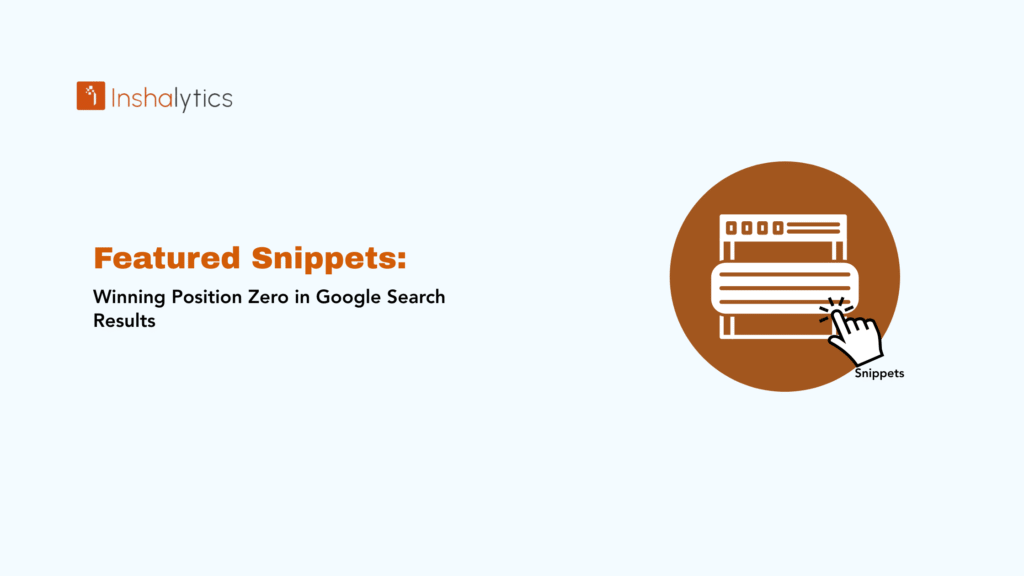
A featured snippet is a selected search result displayed at the top of Google’s results in a special box, often called “position zero.” Google extracts and highlights a portion of content from a webpage that directly answers a user’s query, displaying it prominently above traditional organic results. Featured snippets typically include a concise answer, the page title, URL, and sometimes an image, all packaged in a visually distinct box that immediately captures user attention.
The term “position zero” reflects the featured snippet’s placement above the first organic search result. Even if your page ranks fifth organically, earning the featured snippet catapults your content to the most prominent position on the results page. This prime real estate dramatically increases visibility, click-through rates, and brand authority.
Featured snippets emerged from Google’s mission to provide instant, accurate answers to user queries. Rather than requiring users to click through multiple results to find information, featured snippets deliver immediate value directly on the search results page. For users, this means faster access to answers. For content creators, it represents both opportunity and challenge opportunity for maximum visibility, and challenge because users might get their answer without clicking through to your site.
Types of Featured Snippets
Featured snippets appear in several distinct formats, each optimized for different query types and answer formats.
Paragraph snippets represent the most common format, displaying 40-60 words of text that directly answer a query. These work best for definition queries, explanations, or questions requiring brief descriptive answers. For example, “What is SEO?” might trigger a paragraph snippet defining search engine optimization.
List snippets present information as numbered or bulleted lists, ideal for step-by-step instructions, rankings, or itemized information. Queries like “how to change a tire” or “best laptop brands” often trigger list snippets. Google may extract an entire list from your content or compile list items from multiple sections.
Table snippets display structured data in tabular format, perfect for comparisons, specifications, prices, or data that naturally fits rows and columns. Queries comparing products, looking up statistics, or seeking structured information often generate table snippets.
Video snippets feature videos with specific timestamp links to relevant sections, particularly common for how-to queries and tutorials. Google displays a video thumbnail with a suggested clip that directly addresses the search query.
Understanding which format suits your content helps you structure information for featured snippet optimization. Match your content organization to the natural answer format for your target queries.
Why Featured Snippets Matter
Featured snippets provide multiple strategic advantages that justify the optimization effort required to earn them.
Maximum visibility comes from position zero placement above all other results. Your content becomes the first thing users see, establishing immediate brand presence and authority. This prominence is especially valuable on mobile devices where screen space is limited.
Increased click-through rates often result from featured snippets, though this varies by query type. While some users find complete answers without clicking, many snippets generate curiosity or provide partial answers that encourage click-throughs for full context. Studies suggest featured snippets can increase organic traffic by 20-30% or more.
Voice search dominance gives featured snippets additional importance. Virtual assistants like Google Assistant, Alexa, and Siri frequently source answers from featured snippets when responding to voice queries. As voice search grows, featured snippet optimization becomes critical for voice visibility.
Brand authority and trust naturally follow from Google selecting your content as the definitive answer. Users perceive featured snippet sources as more authoritative and trustworthy, enhancing brand reputation beyond immediate traffic benefits.
Competitive advantage emerges because only one result earns the featured snippet for each query. Capturing this position means competitors cannot occupy it simultaneously, creating exclusive visibility advantages.
Zero-click search opportunities allow your brand to provide value even when users don’t click through. While this might seem counterintuitive, establishing your brand as a helpful resource builds long-term awareness and authority.
How to Optimize for Featured Snippets
Earning featured snippets requires strategic content creation and optimization focused on directly answering user queries.
Identify featured snippet opportunities by researching queries in your niche that already display featured snippets. Use tools like Ahrefs, SEMrush, or manual searches to find existing featured snippets where you could compete. Also identify queries where you rank on page one but no featured snippet exists yet these represent prime opportunities.
Target question-based queries that naturally trigger featured snippets. Questions starting with “what,” “how,” “why,” “when,” “where,” and “who” frequently generate snippets. Create content specifically addressing these question formats.
Provide clear, concise answers at the beginning of your content or immediately following question headings. Featured snippets typically extract 40-60 word answers, so craft succinct responses that directly address queries before expanding with additional detail.
Use strategic header structure with H2 or H3 tags that mirror actual user questions. Format like “What is [topic]?” or “How to [accomplish task]?” helps Google identify which content sections answer specific queries.
Format content for different snippet types:
- For paragraph snippets: Write clear definitions and explanations in 40-60 words
- For list snippets: Use HTML ordered or unordered lists with clear, actionable items
- For table snippets: Structure data in HTML tables with proper headers and formatting
- For video snippets: Create well-organized video content with clear timestamps and descriptions
Implement structured data markup using Schema.org vocabulary to help Google understand your content structure. HowTo schema, FAQ schema, and other relevant markup types can improve featured snippet eligibility.
Include high-quality images relevant to your content. Google often displays images alongside featured snippets, and optimized images increase the visual appeal of your snippet.
Answer multiple related questions within single pieces of content. Comprehensive articles addressing various aspects of a topic can earn multiple featured snippets for different queries.
Maintain content at appropriate depth that provides complete answers. While snippets show brief excerpts, the full page must deliver comprehensive value that justifies Google’s selection and satisfies users who click through.
Update content regularly to ensure information remains current and accurate. Google favors fresh, up-to-date content for featured snippets, especially for time-sensitive topics.
Featured Snippet Optimization Best Practices
Several proven techniques increase your chances of earning featured snippets.
Rank on page one first. Google almost exclusively selects featured snippets from pages already ranking in the top ten results. Focus on achieving page-one rankings before specifically optimizing for snippets.
Study existing featured snippets for your target queries. Analyze the format, length, and approach Google currently features, then create content that matches or improves upon that format while providing unique value.
Use the inverted pyramid structure by placing the most important information first. Lead with direct answers, then expand with supporting details, examples, and context.
Incorporate relevant keywords naturally throughout your answer and in header tags. While stuffing damages readability, strategic keyword placement helps Google match your content to relevant queries.
Create comparison content for “versus” queries that often trigger table snippets. Product comparisons, feature tables, and structured data comparisons perform well.
Break complex processes into clear steps using numbered lists. Step-by-step guides formatted with proper list markup frequently earn list snippet positions.
Optimize for long-tail variations of featured snippet queries. While competitive short-tail queries might be difficult to capture, longer, more specific variations often present easier opportunities.
Monitor and iterate based on performance. Track which content earns featured snippets, analyze why it succeeded, and apply those insights to other content.
Measuring Featured Snippet Performance
Understanding your featured snippet success requires proper tracking and analysis.
Google Search Console provides featured snippet data in the Performance report. Filter by “Search appearance” to see which queries trigger featured snippets for your content. Monitor impressions, clicks, and click-through rates specifically for featured snippet positions.
Rank tracking tools like SEMrush, Ahrefs, or Moz can identify when your pages hold featured snippet positions and alert you to changes. Many tools specifically track position zero separately from traditional rankings.
Traffic analysis in Google Analytics reveals traffic increases from pages earning featured snippets. Compare traffic patterns before and after capturing snippets to measure impact.
Competitor analysis shows which competitors hold featured snippets for your target queries, helping prioritize optimization efforts toward winnable opportunities.
Voice search performance becomes measurable as featured snippets increasingly power voice assistant responses. Monitor brand mentions and queries that might source from your snippets.
Common Featured Snippet Mistakes
Several errors prevent pages from earning or maintaining featured snippet positions.
Burying answers deep in content reduces snippet eligibility. Google typically extracts answers from content’s first 1-2 paragraphs or immediately following relevant headers. Place direct answers prominently.
Using vague or incomplete answers that don’t fully address queries prevents Google from selecting your content. Ensure answers are complete, specific, and genuinely helpful.
Ignoring proper formatting makes content harder for Google to parse and extract. Use HTML lists, tables, and proper heading hierarchy to structure information clearly.
Optimizing before ranking on page one wastes effort. Achieve solid organic rankings first, then refine content for featured snippet optimization.
Creating thin content that only provides snippet-worthy answers without additional value disappoints users who click through, potentially causing Google to remove your snippet. Balance concise answers with comprehensive supporting content.
Neglecting mobile optimization damages snippet eligibility since Google uses mobile-first indexing. Ensure featured snippet content displays perfectly on mobile devices.
Failing to maintain accuracy leads to snippet loss. Outdated information, broken links, or inaccurate answers can cause Google to replace your snippet with competitor content.
Featured Snippets and Zero-Click Searches
Featured snippets contribute to the growing phenomenon of zero-click searches where users get answers without visiting websites.
The opportunity perspective recognizes that even without clicks, featured snippets build brand awareness, establish authority, and create top-of-mind recognition. Users remember which brand provided helpful answers, creating future engagement opportunities.
The challenge perspective acknowledges that zero-click searches can reduce traffic to your site. When Google displays complete answers in snippets, some users don’t need to click through.
The strategic response involves creating snippet content that provides value while encouraging clicks for deeper information. Include compelling hooks that suggest additional valuable content available on your page. Answer the basic question in the snippet-optimized section, then promise and deliver advanced insights, examples, or related information that requires visiting your site.
Long-term brand building through featured snippets creates cumulative value beyond immediate clicks. Consistent featured snippet presence establishes your site as an authoritative resource, driving direct traffic, branded searches, and conversions over time.
Maintaining Featured Snippet Positions
Earning a featured snippet is just the beginning maintaining it requires ongoing effort.
Monitor competitor content that might overtake your snippet. When competitors publish comprehensive content targeting the same query, your snippet position becomes vulnerable.
Update content regularly with fresh information, current data, and improved formatting. Google favors recent, accurate content for featured snippets.
Expand and improve existing answers based on user engagement and feedback. If users consistently click through seeking additional information, enhance your content to better satisfy that need.
Track position changes and respond quickly when losing snippets. Analyze what changed did a competitor publish better content, or did your page lose relevance?
Optimize related content to capture additional featured snippets for related queries, building featured snippet dominance in your niche.
Conclusion
Featured snippets represent one of the most valuable opportunities in modern SEO, offering position zero visibility above traditional search results. These prominent answer boxes drive traffic, establish authority, power voice search results, and create competitive advantages that justify focused optimization efforts.
Success with featured snippets requires understanding the different snippet types, identifying optimization opportunities, structuring content to directly answer user queries, and formatting information for easy extraction. Focus on achieving page-one rankings first, then refine content with clear answers, proper formatting, and strategic structure designed for snippet capture.
Remember that featured snippet optimization ultimately serves user needs by providing clear, concise, accurate answers to common questions. When you prioritize genuinely helpful content over manipulation, you create resources worthy of featured snippet positions that benefit both users and your business objectives.
Monitor your featured snippet performance continuously, learn from successes and losses, and iterate based on results. As search continues evolving toward immediate answer provision, featured snippet optimization becomes increasingly central to comprehensive SEO strategy. By mastering this discipline, you position your content for maximum visibility in the evolving search landscape where position zero often matters more than position one.