
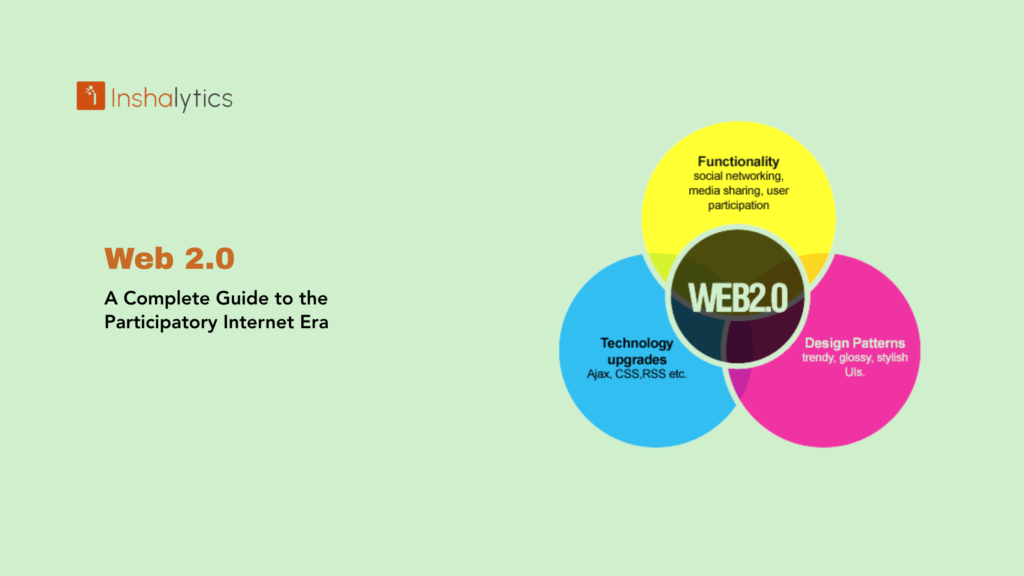
Web 2.0 refers to the evolution of the internet from static, read-only websites to dynamic, interactive platforms that enable user participation, content creation, and collaboration. Coined by Tim O’Reilly in 2004, Web 2.0 represents the shift from passive consumption to active participation—where users don’t just view content but create, share, comment, rate, and collaborate on it. This transformation encompasses social media networks, wikis, blogs, video sharing platforms, cloud computing, and user-generated content sites that fundamentally changed how people interact with the web and each other.
While Web 1.0 (1990s-early 2000s) consisted primarily of static HTML pages where companies published information for users to read, Web 2.0 democratized content creation, giving everyone a voice and platform. This participatory web enabled the rise of Facebook, YouTube, Wikipedia, Twitter, Instagram, and countless other platforms that now define our digital landscape, fundamentally reshaping communication, commerce, education, and social interaction.
Navigate This Post
Web 1.0 vs. Web 2.0: The Evolution
Web 1.0: The Read-Only Web (1990s-2004)
Characteristics:
- Static HTML pages
- One-way information flow (company to consumer)
- Limited interactivity
- Static content rarely updated
- Webmasters created all content
- Basic directory websites (Yahoo, early Google)
User Role: Passive consumer of information
Examples:
- Company brochure websites
- News sites (read-only)
- Early e-commerce (basic catalogs)
- Personal homepage directories
Metaphor: Digital brochures or magazines—you could read but not interact
Web 2.0: The Read-Write Web (2004-Present)
Characteristics:
- Dynamic, database-driven content
- Two-way communication (user-to-user, user-to-platform)
- High interactivity and participation
- Constantly updated by users
- User-generated content predominates
- Social networking and collaboration
User Role: Active participant, creator, and collaborator
Examples:
- Social media platforms (Facebook, Twitter, Instagram)
- Video sharing (YouTube, TikTok)
- Wikis (Wikipedia)
- Blogs and blogging platforms (WordPress, Medium)
- Cloud applications (Google Docs, Dropbox)
Metaphor: Digital conversations and communities—everyone participates
Key Characteristics of Web 2.0
1. User-Generated Content (UGC)
Users create the majority of content rather than professional publishers.
Examples:
- YouTube videos
- Instagram photos
- Twitter tweets
- Wikipedia articles
- Blog posts and comments
- Product reviews
- Forum discussions
Impact:
- Democratized content creation
- Diverse perspectives and voices
- Massive content volume
- Reduced barriers to publishing
- Community-driven knowledge bases
2. Social Networking and Collaboration
Platforms facilitating connections and collaboration between users.
Key Platforms:
- Facebook – Social connections and content sharing
- LinkedIn – Professional networking
- Twitter/X – Real-time conversations and news
- Instagram – Visual content sharing
- Reddit – Community discussions and content aggregation
- TikTok – Short-form video creation and discovery
Features:
- Friend/follower connections
- News feeds and timelines
- Sharing and reposting
- Direct messaging
- Groups and communities
- Real-time interactions
3. Rich User Experiences
Enhanced interactivity through advanced technologies.
Technologies:
- AJAX (Asynchronous JavaScript and XML) – Dynamic page updates without full reloads
- APIs – Application Programming Interfaces enabling platform integration
- Rich Internet Applications (RIAs) – Desktop-like experiences in browsers
- Responsive Design – Adapting to different devices and screen sizes
- WebSockets – Real-time bidirectional communication
User Experience Improvements:
- Instant updates without page refreshes
- Drag-and-drop functionality
- Real-time notifications
- Seamless multimedia integration
- Interactive visualizations
4. Collective Intelligence
Harnessing the wisdom of crowds through aggregated user contributions.
Applications:
- Wikipedia – Collaborative encyclopedia
- Stack Overflow – Community-driven Q&A
- Quora – Crowdsourced knowledge platform
- Reddit voting – Community content curation
- Yelp/TripAdvisor – Aggregated reviews and recommendations
Benefits:
- More comprehensive information
- Self-correcting through peer review
- Diverse perspectives
- Rapid information updates
- Democratized expertise
5. The Long Tail
Niche content and communities thrive alongside mainstream offerings.
Concept: Instead of only serving mass markets, Web 2.0 platforms enable profitable niches—millions of specialized communities and content types that collectively represent significant value.
Examples:
- YouTube channels for ultra-specific hobbies
- Subreddits for every imaginable interest
- Etsy shops for specialized crafts
- Podcast audiences for niche topics
- Online courses for specialized skills
Impact:
- Democratized access to audiences
- Viable business models for niche creators
- Greater content diversity
- Discovery mechanisms for specialized interests
6. Data as a Differentiator
Platforms become more valuable as more users contribute data.
Network Effects:
- More users → more data → better services → more users
- Google improves with more search data
- Amazon recommendations improve with more purchase data
- Social platforms more valuable with more connections
- Collaborative tools better with more users
Data-Driven Features:
- Personalized recommendations
- Predictive algorithms
- Targeted advertising
- Machine learning improvements
- User behavior optimization
Prominent Web 2.0 Platforms and Services
Social Media
Facebook (Meta) – Global social networking (2004)
- 3 billion users worldwide
- Personal profiles, pages, groups
- News feed algorithm
- Advertising platform
YouTube – Video sharing and streaming (2005)
- 2 billion users monthly
- User-uploaded videos
- Comments and community interaction
- Creator monetization
Twitter/X – Microblogging and real-time updates (2006)
- Short-form text posts
- Real-time news and conversations
- Hashtag trending topics
- Public discourse platform
Instagram – Photo and video sharing (2010)
- Visual-first social platform
- Stories and Reels
- Influencer economy
- E-commerce integration
TikTok – Short-form video creation (2016)
- Algorithm-driven content discovery
- Viral video trends
- Creator tools and effects
- Youth-focused platform
Collaborative Platforms
Wikipedia – Free collaborative encyclopedia (2001)
- 6+ million English articles
- Anyone can edit
- Crowd-sourced knowledge
- Massive reference resource
Google Docs/Drive – Cloud-based collaboration (2006)
- Real-time document editing
- Multiple simultaneous editors
- Cloud storage and sharing
- Replaced many desktop applications
Slack – Team communication (2013)
- Workplace messaging
- Channel-based organization
- Integration ecosystem
- Remote work enabler
Content Publishing
WordPress – Blogging and CMS platform (2003)
- Powers 43% of all websites
- Open-source and customizable
- Plugin and theme ecosystem
- Democratized publishing
Medium – Online publishing platform (2012)
- Writer-friendly interface
- Built-in audience
- Partner program for creators
- Quality-focused curation
Substack – Newsletter platform (2017)
- Direct creator-to-audience publishing
- Subscription monetization
- Email-based distribution
- Writer independence
E-commerce and Marketplaces
Amazon Marketplace – Third-party sellers (2000)
- User reviews and ratings
- Community Q&A
- Seller competition
- Price transparency
Etsy – Handmade and vintage marketplace (2005)
- Individual creator shops
- Niche products
- Community of makers
- Direct artist-to-consumer
Airbnb – Home-sharing platform (2008)
- Peer-to-peer accommodation
- User reviews both ways
- Community trust systems
- Shared economy model
Web 2.0 and Digital Marketing
Content Marketing Opportunities
User Engagement:
- Comments and discussions on blogs
- Social media conversations
- Community building
- Two-way brand communication
Content Distribution:
- Social sharing amplification
- Viral content potential
- Multiple platform presence
- User-driven discovery
Social Media Marketing
Brand Presence:
- Direct audience relationships
- Real-time customer service
- Influencer partnerships
- User-generated content campaigns
Advertising:
- Highly targeted demographics
- Retargeting capabilities
- Performance tracking
- A/B testing and optimization
SEO Benefits
- Social bookmarking sites (Reddit, Digg)
- Blog comments and guest posts
- Forum signatures and profiles
- Community participation
Content Signals:
- Social shares indicate quality
- User engagement metrics
- Fresh, dynamic content
- Long-tail keyword coverage
Community Building
Customer Relationships:
- Direct feedback channels
- Brand advocates and ambassadors
- Peer-to-peer support
- Loyalty and retention
Market Research:
- Real-time sentiment analysis
- Trend identification
- Customer pain points
- Product development insights
Criticisms and Challenges of Web 2.0
Privacy Concerns
Issues:
- Personal data collection and monetization
- Surveillance capitalism
- Data breaches and leaks
- Tracking across platforms
- Opaque privacy policies
User Impact:
- Loss of privacy
- Data used without full understanding
- Targeted manipulation
- Security vulnerabilities
Information Quality
Problems:
- Misinformation and disinformation spread
- Echo chambers and filter bubbles
- Lack of gatekeeping
- Viral falsehoods
- Difficulty verifying sources
Consequences:
- Public opinion manipulation
- Decreased trust in institutions
- Polarization
- Real-world harm from false information
Platform Monopolies
Concentration:
- Few companies control most platforms
- Network effects create barriers to entry
- Lock-in effects for users and creators
- Algorithmic control over visibility
- Terms of service power imbalances
Impact:
- Reduced competition
- Platform dependency
- Creator vulnerability
- Censorship concerns
- Economic control
Mental Health and Addiction
Concerns:
- Designed for engagement (sometimes manipulation)
- Social comparison and anxiety
- Fear of missing out (FOMO)
- Attention economy exploitation
- Screen time impact
Content Moderation Challenges
Difficulties:
- Scale of user-generated content
- Defining acceptable boundaries
- Balancing free speech and safety
- Automated systems’ limitations
- Cultural and contextual complexity
The Evolution Toward Web 3.0
Web 2.0 is gradually evolving toward Web 3.0 (the decentralized web):
Web 3.0 Characteristics:
- Decentralized architecture (blockchain)
- User data ownership
- Peer-to-peer transactions
- Token-based economics
- Reduced platform dependency
Emerging Technologies:
- Cryptocurrencies and NFTs
- Decentralized applications (dApps)
- Distributed storage
- Smart contracts
- Metaverse platforms
Potential Benefits:
- Greater user control
- Data portability
- Creator independence
- Reduced censorship
- New economic models
Conclusion
Web 2.0 fundamentally transformed the internet from a read-only information repository to an interactive, participatory ecosystem where users create, share, and collaborate at unprecedented scale. Through social media, wikis, blogs, video platforms, and collaborative tools, Web 2.0 democratized content creation, enabled global connections, and created new economic opportunities while also introducing challenges around privacy, information quality, and platform power.
For digital marketers, Web 2.0 opened entirely new channels for audience engagement, content distribution, community building, and data-driven optimization. Understanding Web 2.0 principles—user participation, social networking, collective intelligence, and network effects—remains essential for effective online marketing strategies even as the web evolves toward more decentralized models.
As we transition toward Web 3.0 with its emphasis on decentralization and user ownership, the participatory spirit and collaborative technologies pioneered by Web 2.0 will continue shaping how we connect, communicate, and create value online.
Key Takeaway: Web 2.0 represents the evolution from static, read-only websites to dynamic, interactive platforms enabling user participation and content creation. Characterized by social media, wikis, blogs, user-generated content, and collaborative tools, Web 2.0 transformed users from passive consumers to active creators, fundamentally reshaping digital marketing through social engagement, community building, and two-way communication while introducing challenges around privacy, misinformation, and platform monopolies that continue influencing internet development today.