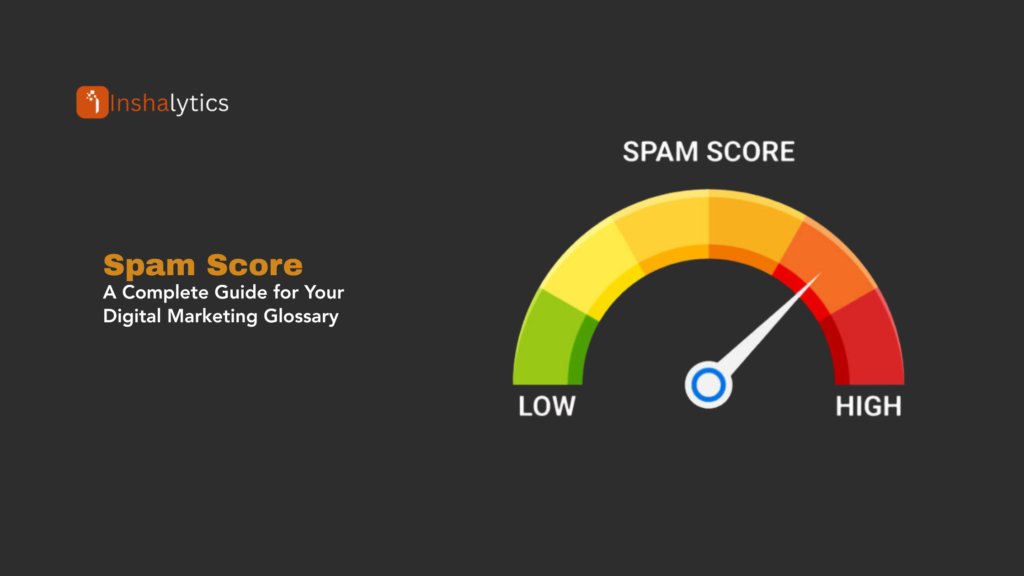
Spam Score is a metric developed by Moz that predicts the likelihood a website engages in spammy, manipulative, or low-quality SEO practices that could result in search engine penalties. Scored from 0% to 100%, with higher percentages indicating greater spam risk, this metric analyzes websites against 27 common features found on sites previously penalized by Google. A site with a 30% spam score means it shares characteristics with 30% of penalized sites, suggesting moderate spam risk that warrants investigation.
While spam score is a proprietary Moz metric rather than an official Google ranking factor, it serves as a valuable diagnostic tool for identifying potentially problematic websites, evaluating link quality, and assessing overall site health. Understanding spam score helps SEO professionals make informed decisions about link building, disavowing toxic backlinks, and identifying areas where their site may appear spammy to search engines.
Navigate This Post
How Spam Score Works
The 27 Spam Signals
Moz developed spam score by analyzing common characteristics among sites penalized by Google, identifying 27 factors that correlate with spam:
Domain-Level Factors:
- Low number of pages indexed
- Domain name length (very long domains)
- TLD usage (certain TLDs associated with spam)
- Domain age (very new domains)
- Contact information presence
- Brand mentions across the web
Link Profile Factors:
- Ratio of followed to nofollowed links
- Link diversity (linking domain count)
- Anchor text over-optimization
- Suspicious linking patterns
- Links from known spam sites
- Reciprocal link percentages
Content Quality Factors:
- Thin content indicators
- Duplicate content signals
- Advertising to content ratio
- Low text-to-HTML ratio
- Grammar and spelling issues
- Readability scores
Technical Factors:
- Missing or suspicious WHOIS data
- Server location (known spam hosting)
- Website technology flags
- Security issues (malware, hacking)
Spam Score Calculation
Moz’s algorithm checks websites against all 27 flags:
- Each flag the site triggers adds to the score
- Percentage = (Number of flags triggered ÷ 27) × 100
- Sites triggering more flags receive higher scores
- Scores update as new data is crawled
Example:
- Site triggers 8 of 27 spam flags
- Spam Score = (8 ÷ 27) × 100 = 30% (moderate risk)
Interpreting Spam Score Ranges
0-30% (Low Risk)
Interpretation: Generally safe sites with minimal spam characteristics.
Typical Sites:
- Established brands and authorities
- Government and educational institutions
- Reputable news publications
- Well-maintained business websites
Action: These sites are generally safe for link building and partnerships. Still verify quality manually, but spam score shouldn’t be a concern.
31-60% (Medium Risk)
Interpretation: Sites showing multiple spam indicators requiring investigation.
Typical Sites:
- Newer sites still building authority
- Sites with aggressive SEO tactics
- Low-quality directories
- Content farms
- Sites with poor technical optimization
Action: Investigate thoroughly before accepting links. Check content quality, link profile, and domain history. Use additional metrics (Domain Authority, traffic estimates) for context.
61-100% (High Risk)
Interpretation: Strong indicators of spammy practices or penalized sites.
Typical Sites:
- Known spam networks
- Hacked or compromised sites
- Link farms and PBNs
- Sites with Google penalties
- Abandoned or neglected domains
Action: Avoid links from these sites entirely. Disavow existing links if pointed to your site. Never pursue link building opportunities from high spam score domains.
Why Spam Score Matters
1. Link Quality Evaluation
Before accepting guest post opportunities, purchasing links, or building relationships, spam score provides a quick quality indicator. High spam scores suggest links from those sites could harm rather than help your SEO.
2. Backlink Audit Efficiency
When auditing your backlink profile, spam score helps prioritize which links to investigate for potential disavowal. Focus on high spam score links first to identify the most problematic backlinks quickly.
3. Competitor Analysis
Analyzing competitor spam scores reveals whether they’re using risky tactics or maintaining clean profiles. Sites with low spam scores despite high rankings indicate sustainable SEO strategies worth studying.
4. Self-Assessment
Checking your own site’s spam score identifies potential issues before they impact rankings. If your score is elevated, you can address problematic factors proactively.
5. Penalty Risk Prediction
While not definitive, high spam scores correlate with increased penalty risk. Sites triggering many spam flags are more likely to face algorithmic or manual penalties.
6. Link Prospecting Filtering
When building link lists, spam score filters out low-quality prospects, saving time and preventing association with risky sites.
Common Factors That Increase Spam Score
Thin or Low-Quality Content
Indicators:
- Pages with minimal unique content (under 300 words)
- Duplicate content from other sites
- Auto-generated or spun content
- Excessive ads relative to content
- Poor grammar and spelling
Solution: Create comprehensive, original content that provides genuine value. Aim for 1,000+ words for main pages, use proper grammar, and minimize intrusive advertising.
Suspicious Link Profiles
Indicators:
- High percentage of exact-match anchor text
- Links from irrelevant or low-quality sites
- Sudden link velocity spikes
- Links from known link farms or PBNs
- Reciprocal link schemes
Solution: Build natural, diverse link profiles through quality content and genuine relationships. Use varied anchor text and earn links from relevant, authoritative sources.
Missing or Hidden Contact Information
Indicators:
- No contact page or information
- Privacy-protected WHOIS data
- Fake or non-working contact details
- No physical address or phone number
Solution: Provide transparent contact information including email, phone, physical address (if applicable), and complete WHOIS data. Add structured business schema markup.
Poor Technical Implementation
Indicators:
- Server errors and downtime
- Slow page speeds
- Mobile usability issues
- Broken links and 404 errors
- Security vulnerabilities
Solution: Maintain technical SEO health through regular audits, fast hosting, mobile optimization, and security updates (HTTPS, malware protection).
Suspicious Domain Characteristics
Indicators:
- Very new domain (under 6 months)
- Extremely long domain names
- Hyphens or numbers in domain
- Extension (.info, .biz, .online) associated with spam
Solution: Choose reputable TLDs (.com, .org, .net), keep domain names short and memorable, avoid keyword stuffing in domains, and give new sites time to build trust.
Advertising Overload
Indicators:
- Excessive ads overwhelming content
- Pop-ups and interstitials
- Deceptive ad placement
- Auto-playing video ads
Solution: Balance monetization with user experience. Keep ads reasonable, avoid intrusive formats, and ensure content remains the focus.
How to Check Spam Score
Moz Link Explorer
Process:
- Visit Moz Link Explorer (moz.com/link-explorer)
- Enter domain URL
- View spam score in overview section
- Analyze spam flags triggered
- Review linking domains with scores
Free Version: Limited queries per month Paid Version: Unlimited queries, bulk analysis, historical data
Other Tools with Spam Indicators
While Moz owns “Spam Score,” other tools provide similar metrics:
SEMrush Authority Score – Measures overall domain quality and trustworthiness (0-100 scale, higher is better—inverse of spam score concept)
Ahrefs Domain Rating – Authority metric considering backlink quality (not spam-specific but indicates site quality)
Majestic Trust Flow – Quality metric based on links from trusted sources
MonitorBacklinks – Provides spam scores for backlinks in audits
Reducing Your Site’s Spam Score
1. Conduct Comprehensive Content Audit
Identify and improve:
- Thin content pages (expand or remove)
- Duplicate content (consolidate or canonicalize)
- Low-quality pages (improve or delete)
- Pages with excessive ads (reduce advertising)
2. Clean Up Link Profile
Identify problematic links:
- Links from high spam score sites
- Unnatural anchor text patterns
- Links from irrelevant sources
- Suspected PBN or link farm links
Action steps:
- Request link removal when possible
- Disavow toxic links through Google Search Console
- Stop any manipulative link building
- Focus on earning quality, natural links
3. Improve Technical Foundation
Essential fixes:
- Implement HTTPS security
- Improve page speed (under 3 seconds)
- Fix broken links and 404 errors
- Optimize for mobile devices
- Update outdated plugins and themes
- Remove malware or security issues
4. Add Transparency Elements
Build trust through:
- Complete contact information
- About page with real team members
- Privacy policy and terms of service
- Author bios with credentials
- Business address and phone
- Social media profiles
- Verified WHOIS information
5. Enhance Content Quality
Best practices:
- Write comprehensive, original content
- Demonstrate expertise and authority
- Use proper grammar and spelling
- Add images, videos, and multimedia
- Update content regularly
- Remove or improve thin pages
- Cite credible sources
6. Diversify and Naturalize Links
Healthy link building:
- Earn links through quality content
- Guest post on reputable sites
- Build genuine industry relationships
- Use varied, natural anchor text
- Focus on relevance over quantity
- Avoid reciprocal link schemes
Spam Score Limitations
Not an Official Google Metric
Spam score is Moz’s proprietary metric, not a Google ranking factor. Google doesn’t use or acknowledge spam score in their algorithms.
Correlation vs. Causation
High spam scores correlate with spam but don’t cause penalties. Sites can have elevated scores without being penalized if other factors are strong.
False Positives
Legitimate sites sometimes trigger spam flags:
- New sites naturally score higher
- Certain industries trigger specific flags
- Technical configurations may appear suspicious
- Aggressive but legitimate marketing tactics
Context Matters
A 40% spam score on a new startup is different from 40% on an established site. Consider site age, industry, and overall quality.
One Data Point Among Many
Spam score shouldn’t be the sole evaluation criterion. Consider Domain Authority, traffic, content quality, user engagement, and other metrics.
Best Practices for Using Spam Score
1. Use as a Warning Sign, Not a Verdict – Investigate further rather than rejecting sites based solely on spam score.
2. Check Multiple Metrics – Combine spam score with DA, DR, traffic estimates, and manual review.
3. Regular Monitoring – Check your own spam score quarterly to catch issues early.
4. Prioritize Link Audits – Use spam score to identify which backlinks need urgent attention.
5. Set Thresholds – Establish link building guidelines (e.g., “avoid sites with 60%+ spam score”).
6. Manual Verification – Always manually review sites before making final decisions, especially for link building.
7. Context Consideration – Account for site age, industry, and special circumstances.
Conclusion
Spam score is a valuable diagnostic tool that helps SEO professionals identify potentially problematic websites, evaluate link quality, and assess overall site health. By analyzing 27 common characteristics found on penalized sites, Moz’s spam score provides a quick risk assessment that informs link building decisions, backlink audits, and site optimization priorities.
While not an official Google metric and subject to limitations like false positives, spam score serves as an effective early warning system for spam-related issues. Sites with low spam scores (0-30%) generally represent safe link opportunities, while those with high scores (61-100%) warrant avoidance. Medium scores (31-60%) require thorough investigation and context consideration.
The most effective approach treats spam score as one data point among many, combining it with Domain Authority, traffic analysis, manual content review, and other quality signals. Regular monitoring of your own spam score, coupled with proactive measures to address triggered flags, ensures your site maintains a clean profile that supports rather than undermines SEO efforts.
Key Takeaway: Spam score is a Moz metric (0-100%) predicting the likelihood a website engages in spammy practices by analyzing 27 common characteristics found on previously penalized sites. Higher percentages indicate greater risk, with 0-30% considered low risk, 31-60% medium risk requiring investigation, and 61-100% high risk to avoid. While not an official Google ranking factor, spam score effectively identifies potentially toxic backlinks, guides link building decisions, and helps maintain clean site profiles that minimize penalty risk.