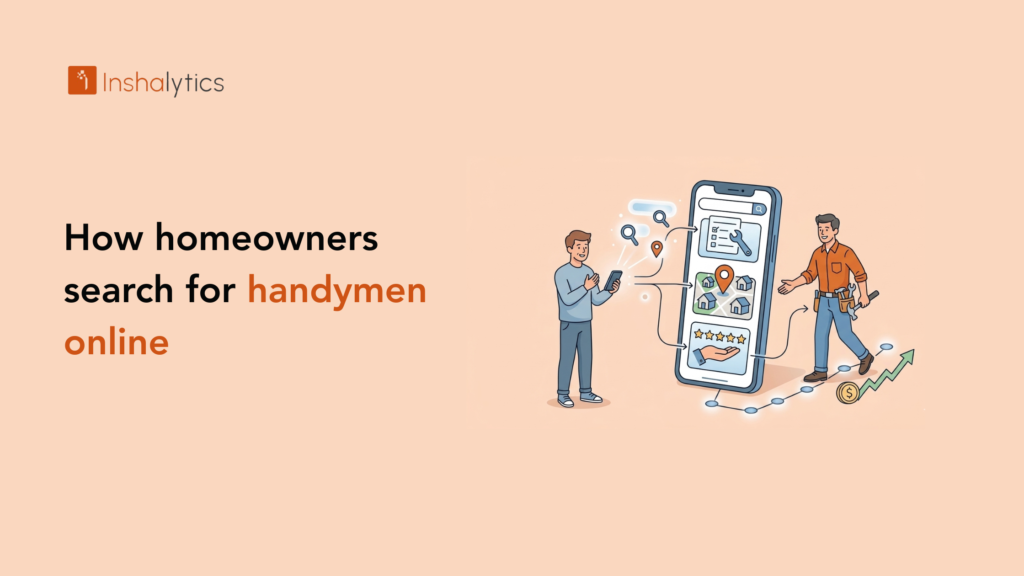
Your phone rings when a homeowner finds you first. Not the second or third option first. But here’s what most handyman businesses miss: homeowners don’t just search in one place, and the channel they use tells you exactly how ready they are to spend money. Understanding where homeowners search for handymen online, and what drives them to each channel, is the difference between chasing leads and having them land in your lap. This guide breaks down the full homeowner search journey: where it starts, what it means, and how to make sure your business is the answer they find.
Where Homeowners Actually Go When They Need a Handyman
Most handyman businesses assume homeowners go straight to Google. Some do. But the full picture is more complex and more useful than that.
Google Search and Maps: The First Stop for Most Jobs
When a homeowner has an urgent problem a leaky pipe, a broken door hinge, a ceiling fan that won’t turn on Google is where they go first. They type “handyman near me” or “home repair ” and expect results in seconds. What they see is a combination of the Local 3-Pack (the map with three businesses), Local Services Ads at the very top, and organic listings below. The businesses that appear in these results are not there by accident. They have invested time in their Google Business Profile, built local SEO signals, and in many cases activated LSA. If you’re not showing up here, you’re invisible to the highest-intent traffic that exists for your trade.
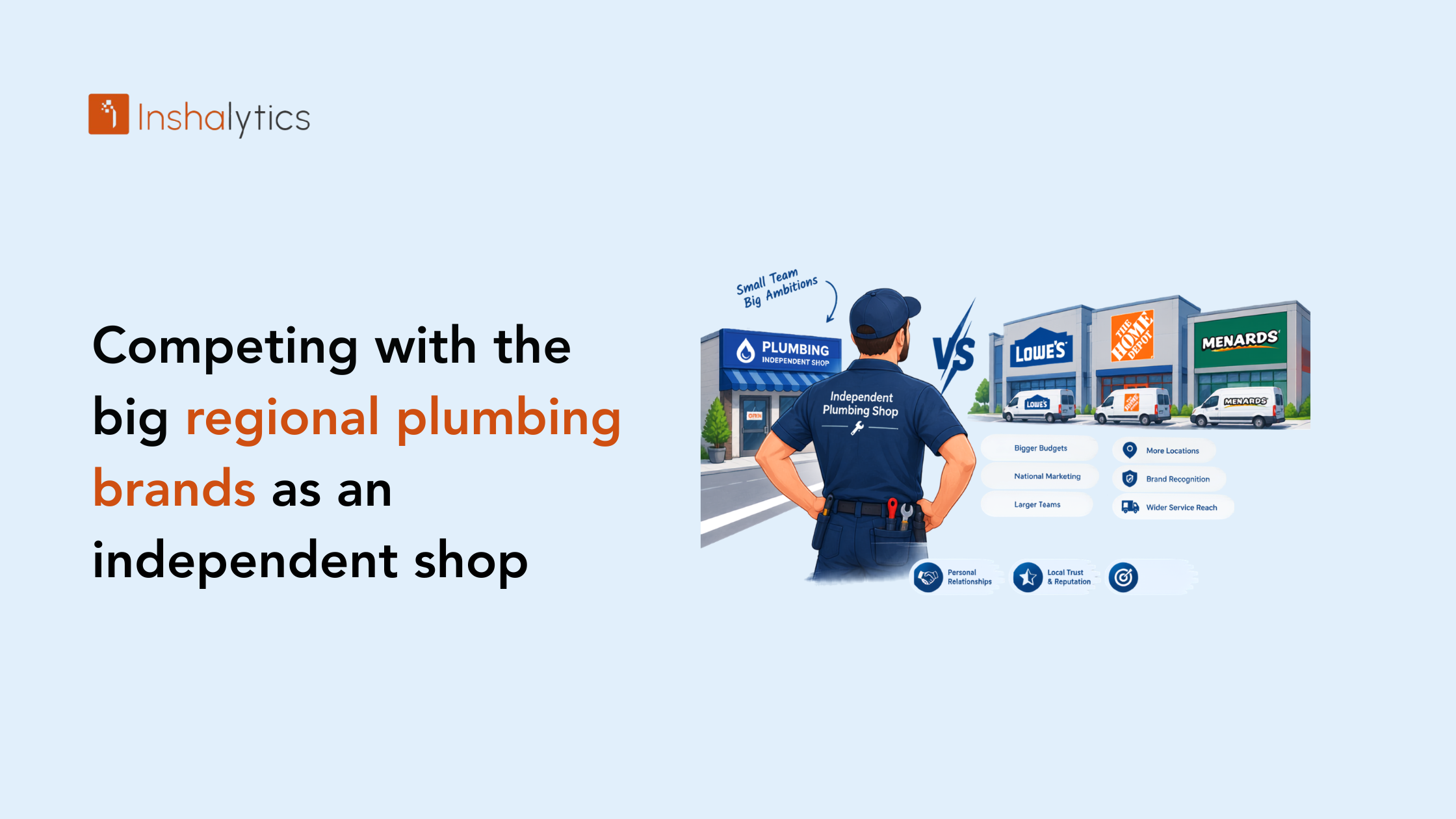
Platform Apps (Angi, Thumbtack, TaskRabbit) The Rented Lead Trap
A significant portion of homeowners, especially those with non-urgent, planned jobs like furniture assembly, TV mounting, or seasonal maintenance, start their search on platforms like Angi, Thumbtack, or TaskRabbit. These platforms are easy to use and feel safe to homeowners because they offer reviews, insurance verification, and booking in one place. For the handyman business, though, these platforms are rented visibility. You pay per lead. You compete against every other handyman on the platform. And the moment you stop paying, the leads stop. There’s no compound return on that investment, no asset you own at the end of it. See how this compares to owned lead channels in our guide to handyman leads without Angi or Thumbtack.
Referrals and Nextdoor: Why Word of Mouth Still Matters Online
Referrals have always been the lifeblood of local trades. What’s changed is where they happen. Homeowners now ask for handyman recommendations in neighborhood Facebook groups, on Nextdoor, and in community Slack channels. A recommendation from a neighbor carries more weight than any ad, and it costs you nothing if your work earns it. The challenge is that referral volume is unpredictable and hard to scale. It fills gaps in your calendar but rarely builds a consistent pipeline on its own.
What Homeowners Type Into Google (And What It Tells You About Intent)
Not all search queries are equal. The specific words a homeowner uses reveal exactly where they are in the decision process and what your business needs to do to convert them.
Urgent vs. Planned Job Searches: Different Keywords, Different Urgency
Urgent searches look like “handyman near me now”, “emergency home repair “, or “fix leaking pipe today”. These homeowners have already made the hiring decision. They need a name and a phone number, and they’ll call the first business that looks credible. Planned job searches look different: “best handyman for bathroom renovation”, “handyman prices for deck repair”, “how much does a handyman charge”. These homeowners are in research mode. They’ll compare several options before calling. Your website and GBP content need to serve both groups: immediate trust signals for urgent searchers, detail and pricing context for planners.
“Near Me” vs. City-Specific Searches: What Triggers the Map Pack
“Near me” searches trigger location-based results using the searcher’s GPS signal. City-specific searches like “handyman Chicago” or “drywall repair Austin TX” trigger results based on your business’s listed service area and the location authority you’ve built. Both types surface the Local 3-Pack, but the ranking signals that put you there are slightly different. For “near me” searches, proximity to the searcher matters. For city-specific searches, how well your profile and website are optimized for that city matters more. Most handyman businesses need to rank for both. Learn how the map pack works in competitive markets with our guide on Google Maps ranking for handyman businesses.
How Reviews and Star Ratings Filter Their Decision Before They Call
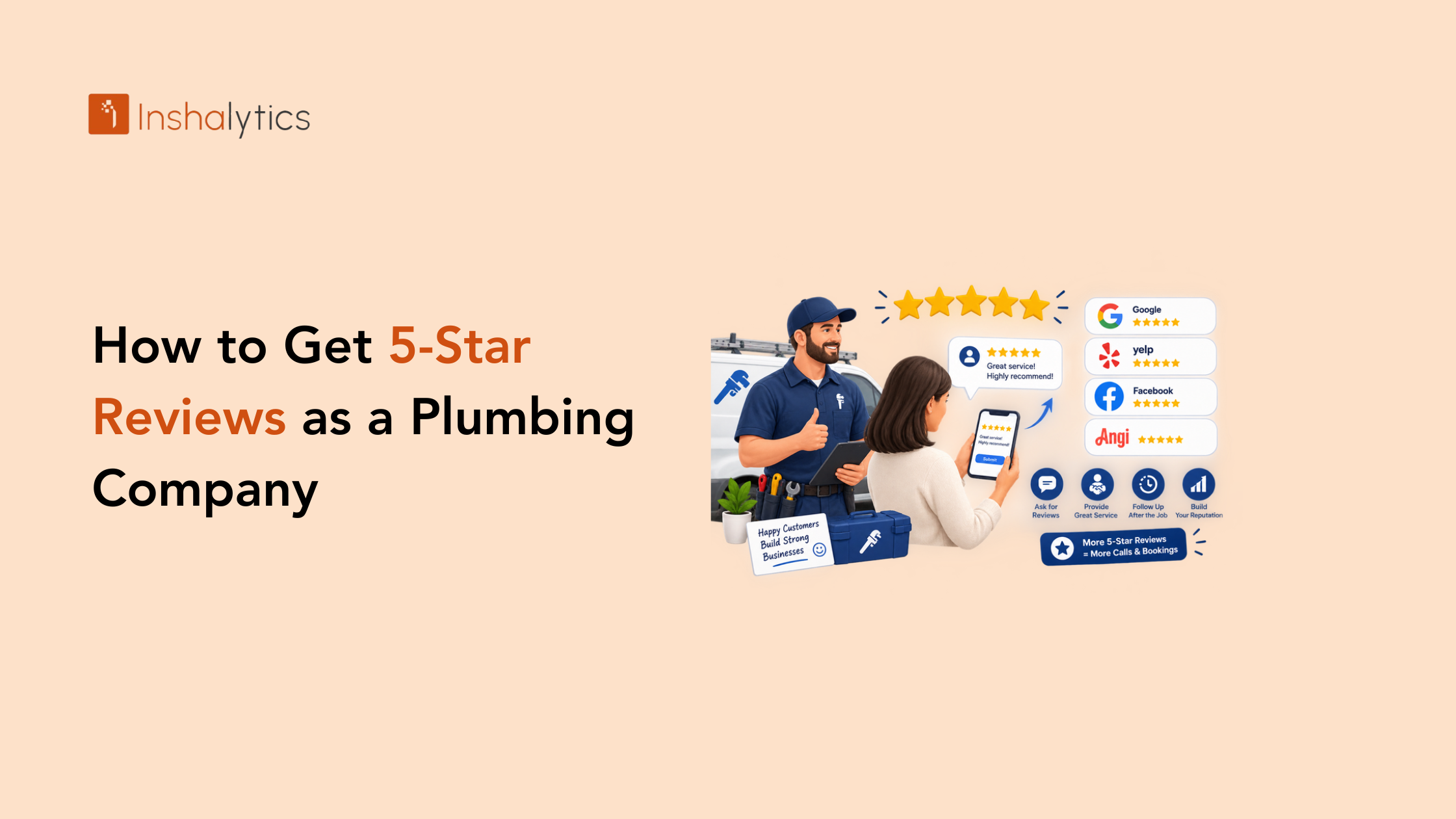
Once a homeowner sees your listing in the map pack or LSA results, your star rating and review count filter the shortlist before they even click through to your website. A business with 4.8 stars and 87 reviews is chosen over a business with 4.2 stars and 12 reviews even if the latter is cheaper. Reviews are not just trust signals; they are a ranking factor. Google weighs review velocity (how consistently you earn new reviews) and review content (keywords homeowners use in their review text). For a deep look at this relationship, see how reviews impact handyman lead generation.
Why Showing Up on Platforms Isn’t the Same as Owning Your Leads
There is a critical difference between being visible and being in control of your visibility. Platform leads feel easy, and they are, at first. But easy is not the same as durable.
The Cost of Rented Visibility on Angi and Thumbtack
Platform leads are not cheap. Angi’s lead fees for handyman services range from $15 to $85 per lead depending on job type and market. Thumbtack operates on a similar model. Now calculate what that means for your business: if you need 20 leads to book 10 jobs, and each lead costs $40, you’ve spent $800 in platform fees alone before fuel, materials, or your own time. That $800 does not build any asset. It does not improve your Google ranking. It does not make next month’s leads cheaper. You pay it again every single month. The true cost of bad leads for handyman businesses goes well beyond the lead fee.
What Happens When the Platform Changes Its Algorithm or Pricing
Every major platform has changed its pricing model, lead quality standards, or visibility algorithm in the last two years. When they change, your lead volume changes with them and you have no say in it. Businesses that built their entire pipeline on Angi saw lead costs increase and lead quality decline with no recourse. Platform dependency is business risk, and most handyman owners don’t realize how exposed they are until the calls stop.
The Business That Shows Up on Google Doesn’t Pay Per Lead
A handyman business that ranks organically in the Local 3-Pack and maintains an optimized GBP gets calls without paying per lead. The investment is time and strategy, not a monthly fee that disappears if you stop. This is the core of what we mean by owned leads vs. rented leads and it’s why the businesses that dominate local search are harder to displace than any platform listing. Our full breakdown of why lead marketplaces hurt handyman profit margins explains exactly where the money leaks.
How Do Handyman Businesses Get Found on Google Without Paying for Every Lead?
Organic visibility is not luck. It is the result of a set of deliberate actions that build compounding authority in Google’s local algorithm over time.
Google Business Profile: Your Most Important Free Asset
Your Google Business Profile (GBP) is the single most impactful thing you can optimize for local search without spending money on ads. A complete, keyword-rich, regularly updated GBP is what gets your business into the Local 3-Pack. Most handyman businesses have a GBP that’s half-finished, missing service descriptions, sparse photos, and no recent posts. That incomplete profile is costing you rankings every day. For a step-by-step optimization walkthrough, see our handyman Google Business Profile optimization guide.
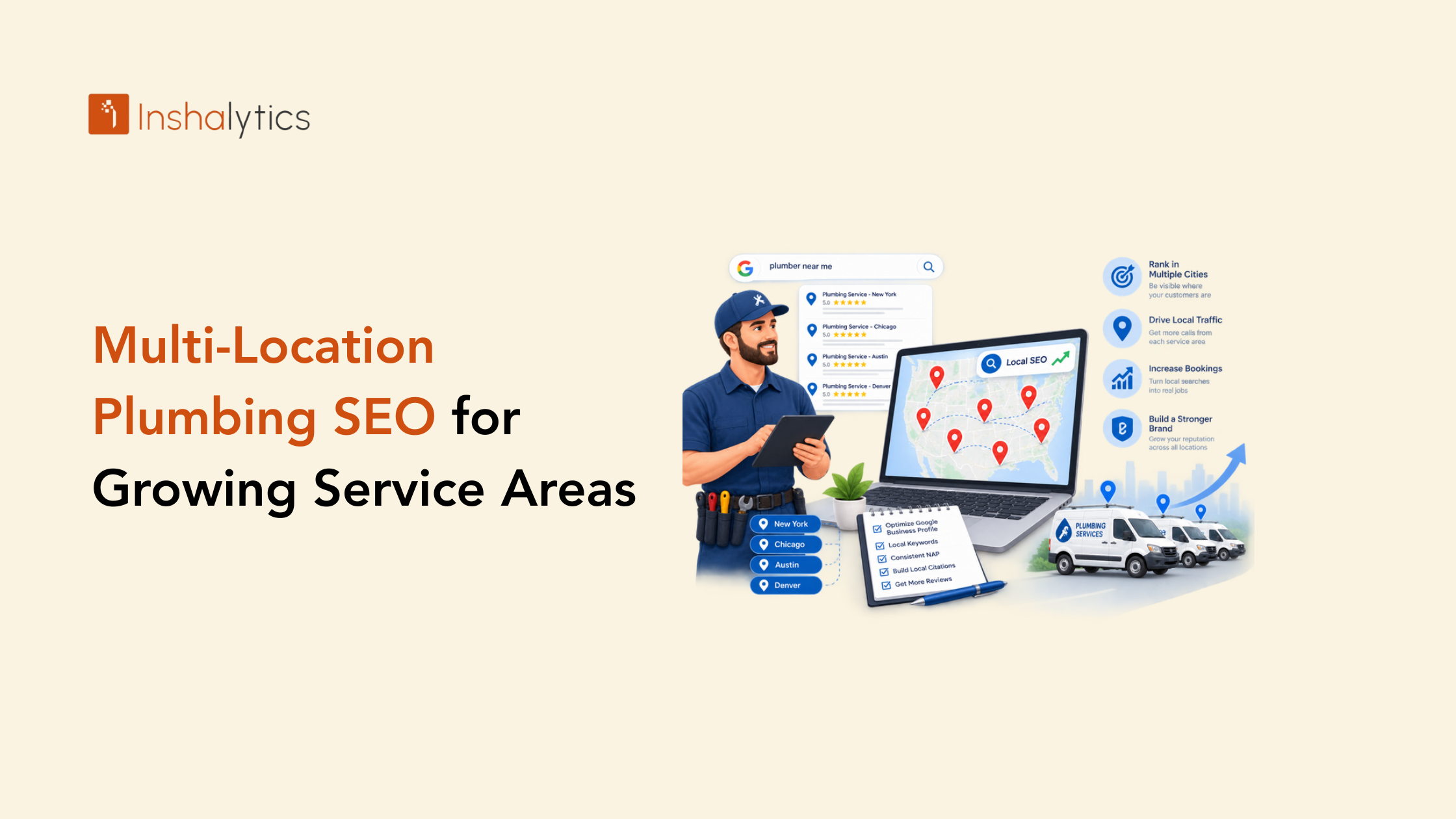
Local SEO Basics That Get You Into the Map Pack
Beyond GBP, the signals that move you into the Local 3-Pack include NAP consistency (your name, address, and phone number matching exactly across every directory), local citations in relevant directories, location-specific content on your website, and backlinks from local sources. None of these happen overnight, but each one adds to a compounding authority score that makes your business harder to outrank. Our full guide to local SEO for handyman businesses covers the technical and content-side factors in detail.
LSA Verification: How Google’s Badge Changes Homeowner Trust
Google’s Local Services Ads sit above the map pack and above standard Google Ads. They display a “Google Screened” badge, your star rating, and a direct call button. When a homeowner sees that badge, it removes a significant trust barrier: Google has verified your license and insurance. For handyman businesses, LSA is not mandatory, but for those in competitive markets it can provide immediate visibility while organic rankings mature. We break down the full cost-benefit calculation in our guide to LSA for handyman businesses.
Building a Lead System Homeowners Find, Not One You Rent
Showing up when homeowners search is not a single tactic. It is a system, and systems compound where individual tactics don’t.
What Owned Visibility Looks Like for a Handyman Business
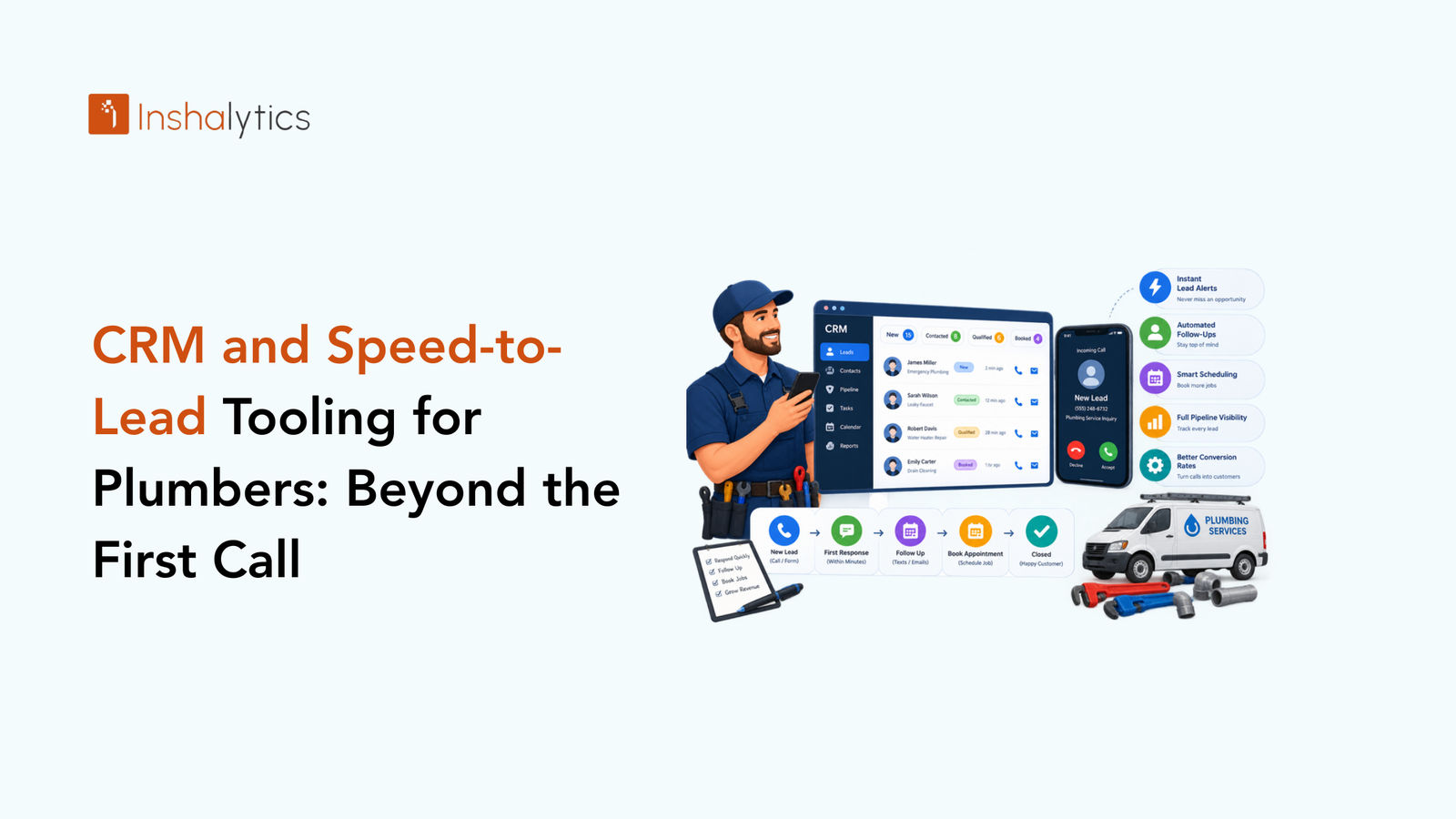
An owned lead system has multiple touchpoints that all reinforce each other: an optimized GBP feeding calls from the map pack, a high-converting website that turns visitors into booked jobs, local SEO content ranking for the services you want more of, and a review system that consistently adds fresh social proof. None of these touch a platform middleman. None of them charge you per lead. And unlike Angi or Thumbtack, they don’t disappear when you stop paying.
Timeline Expectations: When Google Starts Sending You Calls
Owned visibility takes longer to build than rented visibility. A realistic timeline for a handyman business starting from scratch: GBP optimization delivers results in 30–90 days. Local SEO improvements begin showing ranking movement in 90–180 days. Organic content starts contributing to calls in 6–12 months. The businesses that commit to this timeline stop bleeding money to platforms and build something that works harder every month. If you’re ready to build a lead system that you own, talk to the Inshalytics team about what that looks like for your market.
Homeowners search across Google, Maps, platforms, and referral networks, each channel with different intent and different cost implications for your business. The handyman businesses that win in local search are not the ones paying the most for leads. They’re the ones who invested in being found organically, built an owned pipeline, and stopped relying on platforms that charge more every year. Your next lead is already searching. The question is whether they find you or your competitor.