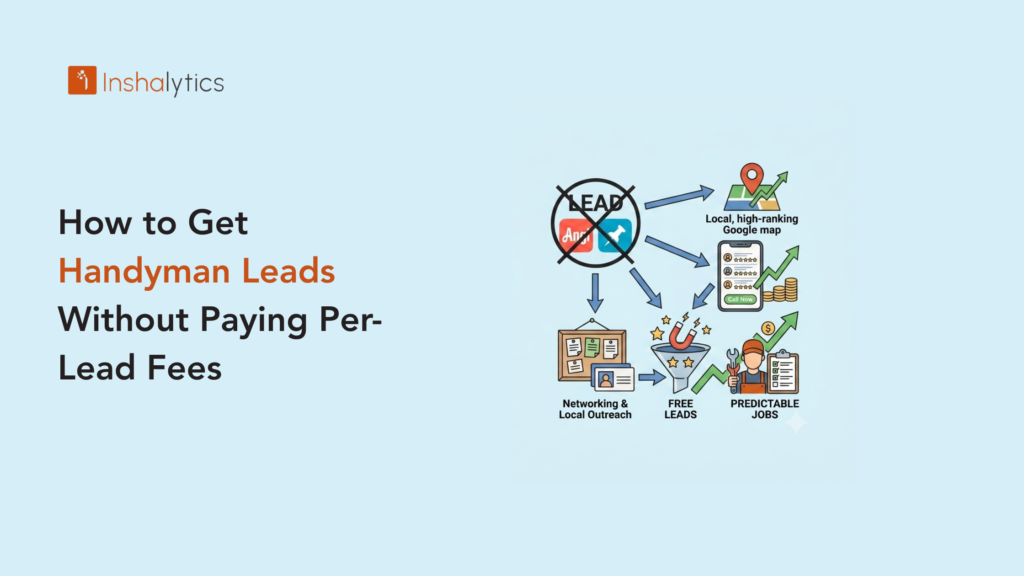
Every handyman business owner who has used Angi or Thumbtack recognises the same pattern: you pay for a lead, you race to call back, and either the homeowner already hired someone, or you are the fourth contractor to reach them, and the conversation becomes a price negotiation before you have said ten words. The per-lead fee model is not a partnership between you and the platform. It is a system that profits most when leads are low quality, plentiful, and sold to as many contractors as possible. The alternatives covered in this guide generate leads that are exclusive to you, cost less per booked job, and compound in value over time instead of resetting to zero every month. The existing guide on getting handyman leads without Angi or Thumbtack covers the channels. This guide goes deeper into the cost comparison of each alternative so you can prioritise where to invest first.
Why Per-Lead Platform Fees Are a Structural Trap
The per-lead model has one structural problem that no amount of optimisation fixes: the platform controls the lead quality and the lead price, and both tend to move in directions that hurt your margins over time.
Who Benefits From the Per-Lead Model (It Is Not You)
Lead platforms earn revenue when you buy leads, not when you book jobs. A platform that generates 1,000 leads at $30 each and sells each one to four contractors earns $120,000 in revenue from those 1,000 homeowner inquiries. Their incentive is lead volume, not lead quality. A homeowner who submits a quote request and then books the first contractor to call back has served the platform as well as a homeowner who was never ready to hire at all. Both generate the same fee. This misalignment between platform incentive and contractor outcome is why lead marketplaces consistently hurt handyman profit margins regardless of how well you optimise your response process.
The Hidden Annual Cost of Platform Dependency
Run the math for a handyman business spending $800 per month on Angi leads with a 12% close rate and an average job value of $380. Monthly lead spend: $800. If leads average $28 each, that is 28 leads per month. At 12% close rate, 3.4 jobs per month. Cost per booked job: $235. Monthly revenue from platform-sourced jobs: $1,292. Revenue minus lead cost: $492. Before any other expenses. A business generating only $492 in net-of-lead-cost revenue from a full channel of platform leads is not building toward anything. The same $800 invested in owned-channel development produces compounding returns that grow while platform spend produces the same flat result every month.
Alternative 1: Google Business Profile (Zero Per-Lead Cost)
An optimised Google Business Profile generates inbound calls from homeowners searching “handyman near me” with zero per-lead cost once the profile is established. The cost is time and ongoing management, not a per-lead fee.
How GBP Generates Exclusive Leads
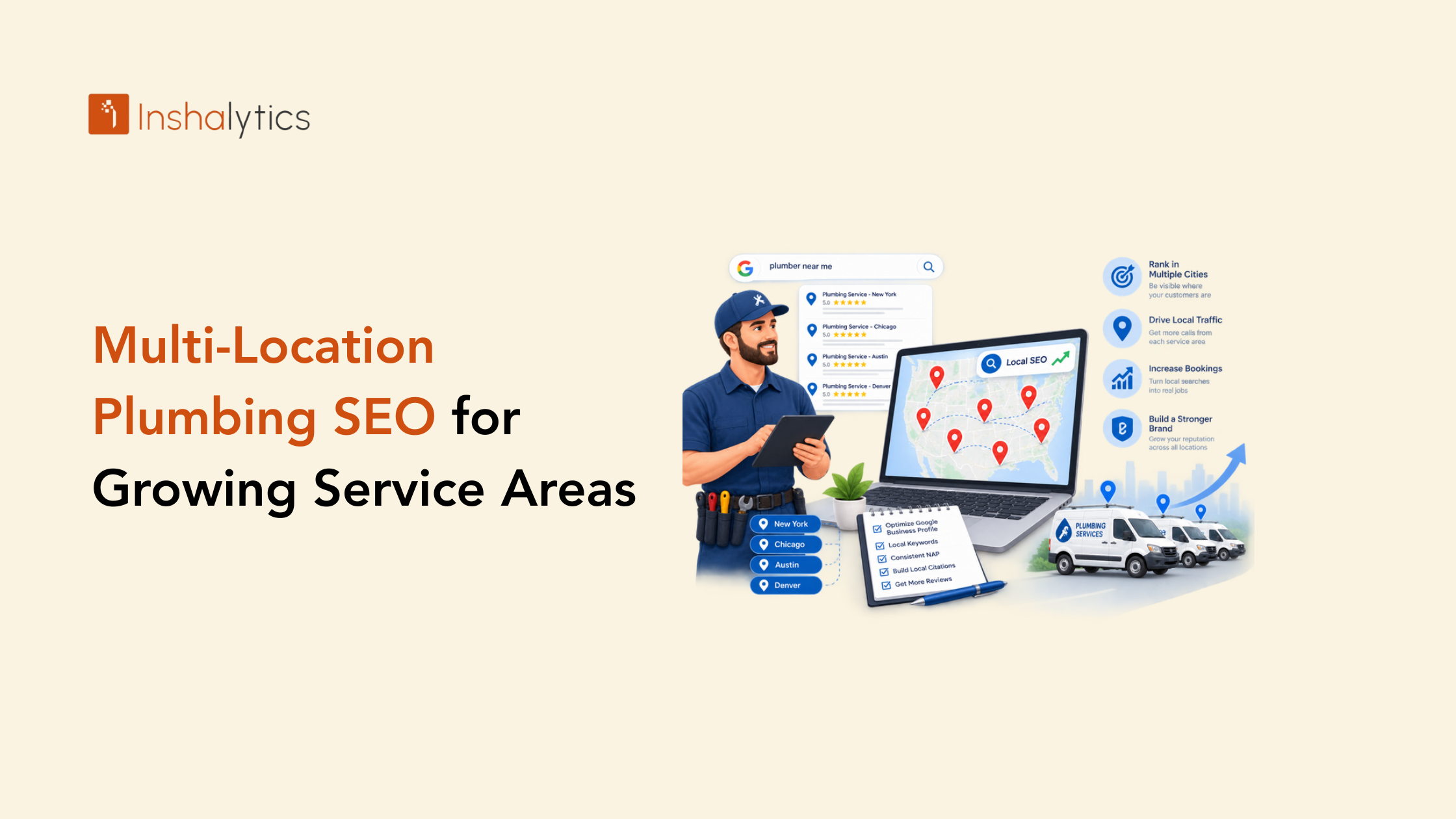
When a homeowner searches for a handyman on Google, the Local 3-Pack (the map with three business listings) appears at the top of the results. Businesses in those three spots receive the majority of local search clicks. A homeowner who calls a number from the Local 3-Pack is calling that specific business, not a platform that will redistribute their inquiry to competitors. The call is exclusive to you. The homeowner already made a preliminary selection based on your profile, photos, star rating, and review content. Close rates on GBP inbound calls for handyman businesses with 40 or more reviews and a 4.7 or higher rating typically run 35% to 50%.
What It Costs to Establish GBP as a Lead Source
GBP optimisation has a setup cost and an ongoing management cost. Setup involves completing every section of the profile, uploading 25 or more job photos, configuring your service area correctly for a service-area business, and launching a review generation system. Initial setup can be done in 10 to 15 hours of work. Ongoing management (weekly posts, responding to reviews, updating service descriptions) takes 2 to 4 hours per month. At your effective hourly rate of $65, that is $130 to $260 per month in time cost. Spread across 8 to 15 GBP-sourced leads per month for a well-optimised profile, your cost per lead from GBP is $9 to $32. Far below any platform per-lead fee and declining as your review volume and ranking improve. The full GBP optimisation guide for handyman businesses covers every element of setup and management.
Alternative 2: Local SEO (Compounding Cost Decline Over Time)
Local SEO builds organic search rankings for keywords like “handyman ” and specific service terms like “drywall repair near me.” Once established, organic rankings generate leads at near-zero marginal cost per lead.
The Investment and Timeline
Local SEO for handyman businesses requires an upfront investment period of 6 to 12 months before organic traffic produces consistent attributable leads. During this period, the cost per lead appears high relative to platform alternatives because leads are not yet flowing. After month 12, a well-executed SEO program for a handyman business in a moderately competitive market typically generates 15 to 30 organic leads per month. Spread across the ongoing SEO investment cost of $800 to $1,500 per month, cost per organic lead ranges from $27 to $100, with close rates of 35% to 45% producing cost per booked job of $60 to $285. The local SEO guide for handyman services covers the full timeline and ranking methodology.
Why SEO Gets Cheaper Over Time
Platform lead costs increase year over year as competition grows. SEO costs move in the opposite direction. Domain authority, review volume, and citation consistency compound month over month, making each subsequent improvement faster and cheaper. A business that invested $1,200 per month in SEO for two years has typically built a ranking asset that generates 25 to 40 exclusive leads per month. At $1,200 per month, that is $30 to $48 per lead with strong close rates. The same $1,200 on Thumbtack generates 30 to 50 shared leads with 10% to 15% close rates. The per-lead cost looks similar but the cost per booked job and the long-term trajectory favour SEO significantly.
Alternative 3: Google Local Services Ads (Immediate and Exclusive)
LSA delivers exclusive leads from homeowners actively searching for handyman services, placing your business above all other Google results. You pay per lead, but the lead is exclusive to you.
How LSA Differs From Angi and Thumbtack
LSA operates on a pay-per-lead model, which sounds similar to Angi and Thumbtack. The critical difference is exclusivity. When a homeowner calls your LSA number, that call goes only to you. There is no simultaneous notification to four competitors. The homeowner found your specific listing, saw your Google Screened badge and star rating, and chose to call your business. Close rates on LSA leads run 30% to 50% for handyman businesses with strong reviews and fast response times. Platform shared lead close rates run 8% to 15%. LSA leads typically cost $25 to $65 per verified lead depending on your market. The full economics are covered in the LSA for handyman businesses guide.
The Review Requirement and Why It Matters
LSA ranking depends significantly on your review count and star rating. Businesses with fewer than 20 reviews or ratings below 4.3 will have their LSA ads ranked below competitors with stronger review profiles, reducing lead volume even at equal bids. Before investing in LSA, build your review base to at least 30 reviews with a 4.5 or higher average. The five-star review system for handyman businesses covers how to generate reviews consistently enough to support a competitive LSA profile.
Alternative 4: Referral Systems (Lowest Cost Per Booked Job)
Referrals from satisfied customers produce the lowest cost per booked job of any lead source because the acquisition cost is near zero and the close rate is the highest of any channel. Building a systematic referral program converts what happens organically into a reliable lead source.
How to Build a System Instead of Waiting for Referrals
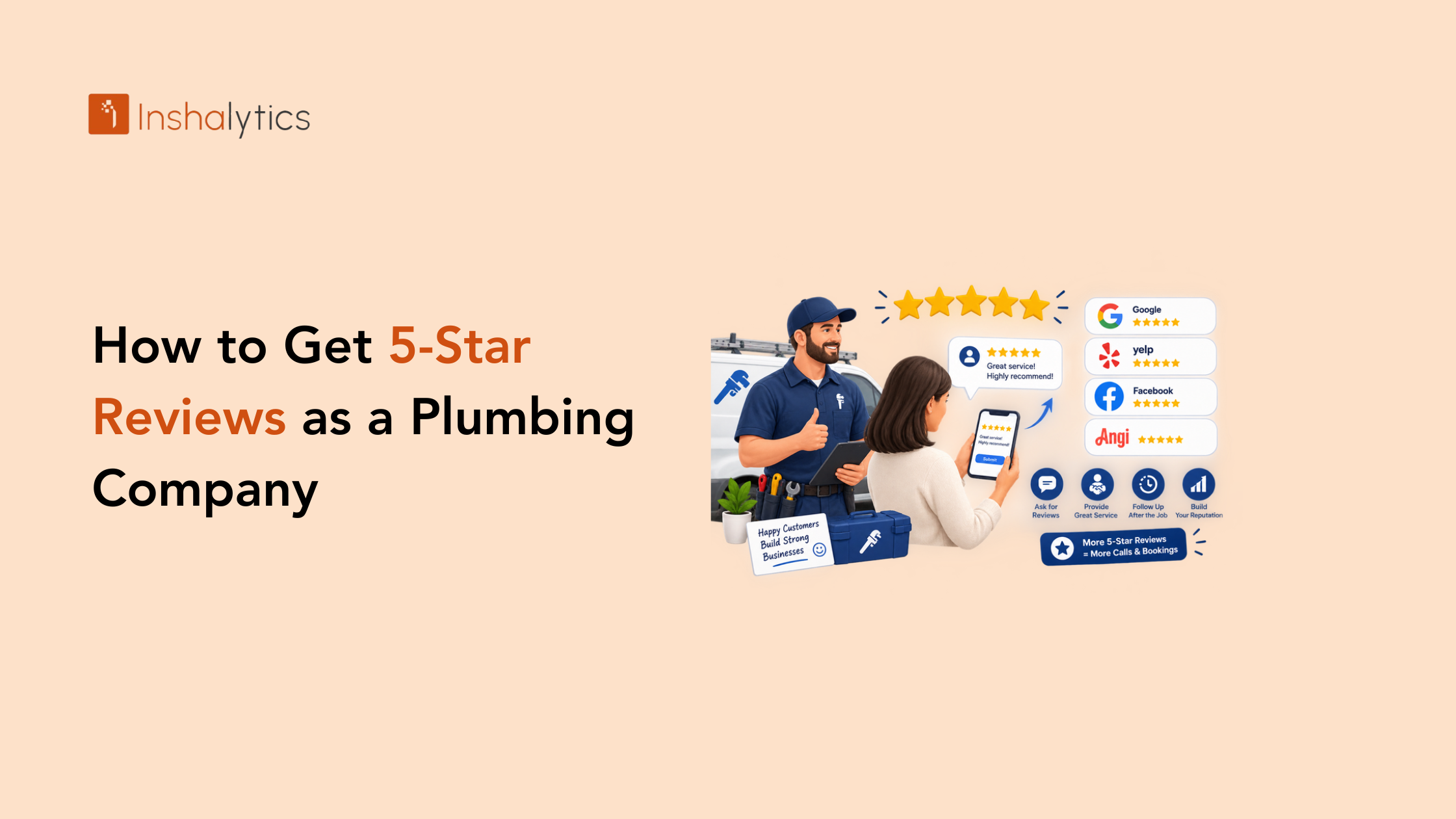
Most handyman businesses receive referrals occasionally and passively. A systematic referral program generates them consistently and actively. After every completed job, send the customer a text within 24 hours that includes: a thank-you, a direct link to leave a Google review (which builds LSA and GBP ranking), and a referral ask with a specific incentive. A simple message such as “If you know anyone who needs a handyman, we would really appreciate a referral. We offer a $25 credit on your next job for every referral that books with us” converts satisfied customers into active advocates. Track referral conversions in your CRM alongside every other lead source to calculate cost per booked job for referrals (typically $5 to $25, the cost of the incentive).
Alternative 5: Your Own Website (Owned Asset That Compounds)
A website optimised for local search and conversion generates exclusive leads through organic search, paid search (Google Ads), and direct traffic from homeowners who found your business through reviews or word of mouth.
What a Converting Handyman Website Actually Does
A handyman website that generates leads is not a brochure. It is a conversion tool designed around one goal: getting a visitor to call or submit a booking request. The elements that convert visitors to calls are clear and immediate: a clickable phone number above the fold, real before-and-after job photos, a visible review rating, dedicated service pages for each primary service type, and a mobile-first design that loads in under two seconds. The handyman website conversion guide covers every element that determines whether traffic converts to calls.
Building Your Own Lead System Instead of Renting One
The alternatives above share one characteristic that separates them fundamentally from per-lead platforms: they generate assets. A GBP with 80 reviews and a Local 3-Pack ranking is an asset. A website that ranks on page one for “handyman ” is an asset. A referral relationship with 200 satisfied customers is an asset. None of these reset to zero when you stop writing a monthly check. Platform leads are not assets. They are rented traffic that costs money every month indefinitely and produces nothing the moment you stop paying.
Inshalytics builds the local search infrastructure that generates exclusive handyman leads from owned channels. GBP optimisation, local SEO, LSA management, and a converting website working together consistently deliver leads at declining cost per booked job over time. The full alternatives-to-Angi breakdown covers the channel-by-channel approach.
Ready to stop paying for shared leads and build a pipeline you own? Talk to Inshalytics about building an exclusive lead system for your handyman business.