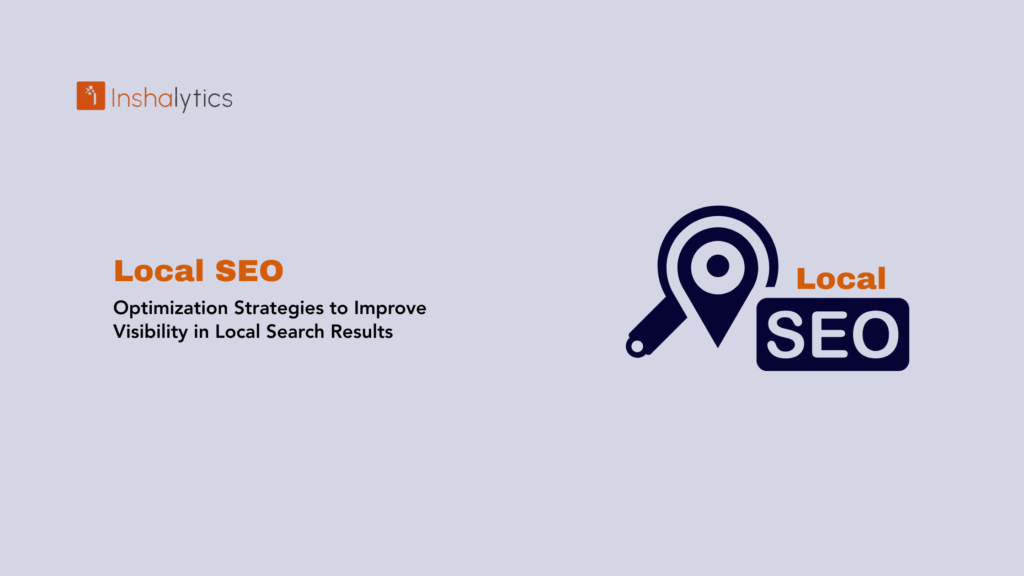
Local SEO (Local Search Engine Optimization) refers to the process of optimizing your online presence to attract more customers from relevant local searches. These searches typically include keywords like “near me,” “in ,” or “best [service] nearby.” For businesses that serve specific geographic areas such as dentists, restaurants, salons, real estate agents, plumbers, clinics, and retail stores Local SEO is essential for driving in-person visits, phone calls, and inquiries.
Local SEO helps businesses appear prominently in location-based results, including the Local Pack (Google Map results) and Google Maps, as well as organic search listings. With Google focusing heavily on delivering personalized and hyperlocal results, mastering Local SEO has become one of the most powerful strategies for increasing visibility and attracting ready-to-buy customers.
This guide breaks down Local SEO in an easy-to-understand, LLM-friendly format, explains why it matters, and outlines the strategies businesses use to rank higher in local search results.
Navigate This Post
What Is Local SEO?
Local SEO is a branch of search engine optimization that focuses on improving a business’s visibility for geographically targeted searches. When a user searches for something like:
- “Coffee shop near me”
- “Best dentist in Karachi”
- “AC repair in Lahore”
Google identifies the search intent as local and delivers results from nearby businesses.
Local SEO ensures that your business appears in these search results, especially in prominent placements like:
- The Local Pack (the 3-pack map results)
- Google Maps listings
- Localized organic search results
- Knowledge Panel results for branded searches
Local SEO also includes optimizing signals across your website, Google Business Profile, local citations, reviews, and more to help search engines verify your business’s legitimacy and relevance in a specific area.
Why Is Local SEO Important?
Local SEO is crucial because consumers rely heavily on online searches to find nearby products and services. Here are some powerful statistics that show its impact:
- 46% of all Google searches have local intent.
- 76% of people who search for something nearby visit a business within 24 hours.
- 28% of local searches result in a purchase.
- The Local Pack appears above organic results, making it prime real estate for visibility.
Without Local SEO, businesses miss out on high-intent customers actively looking for their services.
How Local SEO Works
Local SEO works by sending signals to Google that confirm:
- Relevance – Your business matches the user’s search query.
- Proximity – Your business is close to the user or the area searched.
- Prominence – Your business is reputable, trustworthy, and well-known.
These signals come from:
- Google Business Profile optimization
- Local citations
- On-page SEO
- Reviews and ratings
- Local backlinks
- Behavioral signals (clicks, calls, engagement)
- Mobile friendliness
- NAP consistency (Name, Address, Phone Number)
When these elements align, Google rewards your business with better visibility in local results.
Core Components of Local SEO
1. Google Business Profile Optimization
Your Google Business Profile (GBP) is the foundation of Local SEO. A fully optimized profile significantly improves your chances of appearing in the Local Pack and Google Maps.
Key optimization steps:
- Ensure accurate Name, Address, Phone (NAP) information
- Choose the right business categories
- Add business hours, services, menus, pricing, and attributes
- Upload high-quality photos
- Use keywords naturally in your business description
- Publish Google Posts regularly
- Enable messaging
- Keep information updated
Your GBP acts as your business’s digital storefront on Google.
2. NAP Consistency Across the Web
NAP stands for:
- Name
- Address
- Phone number
These details must be consistent across:
- Your website
- Local directories
- Social media profiles
- Review sites
- Citation platforms
Even small inconsistencies like abbreviations or punctuation differences can confuse search engines and hurt local rankings.
3. Local Citations
Local citations are online mentions of your business’s NAP on platforms such as:
- Yelp
- Yellow Pages
- Google Maps
- TripAdvisor
- Facebook
- Industry directories
- Local business listings
Accurate citations help Google verify your business location and trustworthiness. High-authority citations also improve local ranking signals.
4. Reviews and Reputation Management
Customer reviews are one of the top local ranking factors.
Google considers:
- Review quantity
- Review frequency
- Review sentiment
- Keywords used in reviews
- Replies from the business
To improve this signal:
- Encourage customers to leave reviews
- Respond politely and promptly
- Address negative reviews with professionalism
- Maintain a steady flow of new reviews
Positive reviews also increase customer trust and conversions.
5. Localized On-Page SEO
Your website needs to communicate your location clearly. This includes optimizing:
- Title tags
- Meta descriptions
- H1 and H2 headings
- Local landing pages
- Schema markup
- Internal linking
Include location-specific keywords like:
- “Dentist in Islamabad”
- “Lahore wedding photographer”
- “Best pizza in Karachi Gulshan”
You can also create pages for service areas to improve visibility across multiple local zones.
6. Local Backlinks
Local backlinks refer to links from local businesses, news websites, organizations, and blogs. These signals help Google understand your involvement and authority in the local community.
Sources include:
- Local sponsorships
- Local events
- Local media
- Chambers of commerce
- Local influencers
- Local partnerships
These links strengthen both authority and relevance.
7. Mobile Optimization
Since most local searches happen on mobile, your website must be:
- Fast
- Responsive
- Easy to navigate
- Click-to-call enabled
Slow or poorly designed mobile pages can decrease user engagement and local ranking signals.
8. Behavioral Signals
Google evaluates:
- Click-through rate (CTR)
- Calls made from your GBP
- Directions requests
- Website actions
- Dwell time
Higher engagement tells Google your business is relevant.
Benefits of Local SEO
Local SEO offers tangible benefits, including:
1. Higher Visibility in Local Searches
Appearing in the Local Pack drastically increases clicks, calls, and visits.
2. More Targeted Traffic
Local searches often come from users ready to take action.
3. Increased Trust
Reviews, local backlinks, and citations build credibility.
4. Competitive Advantage
Many local businesses are still not optimizing effectively.
5. Cost-Effective
Local SEO delivers long-term visibility without continuous ad spend.
6. More in-store Visits
Optimizing for “near me” searches boosts foot traffic.
Best Practices for Effective Local SEO
Here are practical strategies businesses follow:
- Complete and regularly update your Google Business Profile
- Maintain 100% NAP consistency
- Build high-quality local citations
- Encourage and respond to customer reviews
- Use local keywords naturally
- Add local schema markup
- Build authoritative local backlinks
- Create service-area landing pages
- Upload local photos (interior, exterior, staff, products)
- Optimize for fast mobile performance
- Post routinely on GBP
- Use UTM tracking for GBP insights
Following these best practices improves visibility, rankings, and conversions.
Common Local SEO Mistakes to Avoid
- Using inconsistent NAP details
- Ignoring reviews or responding unprofessionally
- Choosing incorrect business categories
- Overstuffing keywords in local landing pages
- Using fake reviews
- Neglecting mobile optimization
- Setting inaccurate business hours
- Not updating website information after location changes
- Ignoring photos and GBP updates
Avoiding these mistakes keeps your local strategy clean and effective.
Local SEO vs Traditional SEO: What’s the Difference?
| Feature | Local SEO | Traditional SEO |
| Focus | Geographic relevance | Online relevance globally/nationally |
| Ranking Factors | Proximity, reviews, GBP, NAP | Content quality, backlinks, technical SEO |
| SERP Results | Local Pack, Maps | Organic rankings |
| Audience | Local customers | Wider, broader audiences |
| Content | Location-specific | Topic-specific |
Both strategies are important, but businesses serving specific areas rely heavily on Local SEO.
Conclusion
Local SEO is one of the most effective strategies for businesses that operate in specific locations or rely on local customers. By optimizing your Google Business Profile, maintaining NAP consistency, building local citations, generating reviews, and improving on-page local signals, you can significantly boost visibility in search results that matter most.
With Google becoming increasingly focused on user intent and proximity, local optimization has transformed from an optional marketing tactic into a necessity for sustained business growth.
Whether you’re a brick-and-mortar store, local service provider, or a multi-location enterprise, investing in Local SEO strengthens your online presence and helps you connect with customers exactly when they’re searching for what you offer.