The plumbing businesses filling their schedules in 2026 aren’t the ones with the biggest ad budget or the most social media followers. They’re the ones who built a multi-channel lead system where SEO, Google Ads, and social media work as connected layers rather than separate experiments. Lead generation for plumbers has a specific logic: demand is urgent, decisions happen fast, and the homeowner who finds you first usually calls you first. This guide breaks down how each channel works, where they overlap, and how to build a system that compounds over time.
Why Plumbers Who Rely on One Channel Stay Stuck
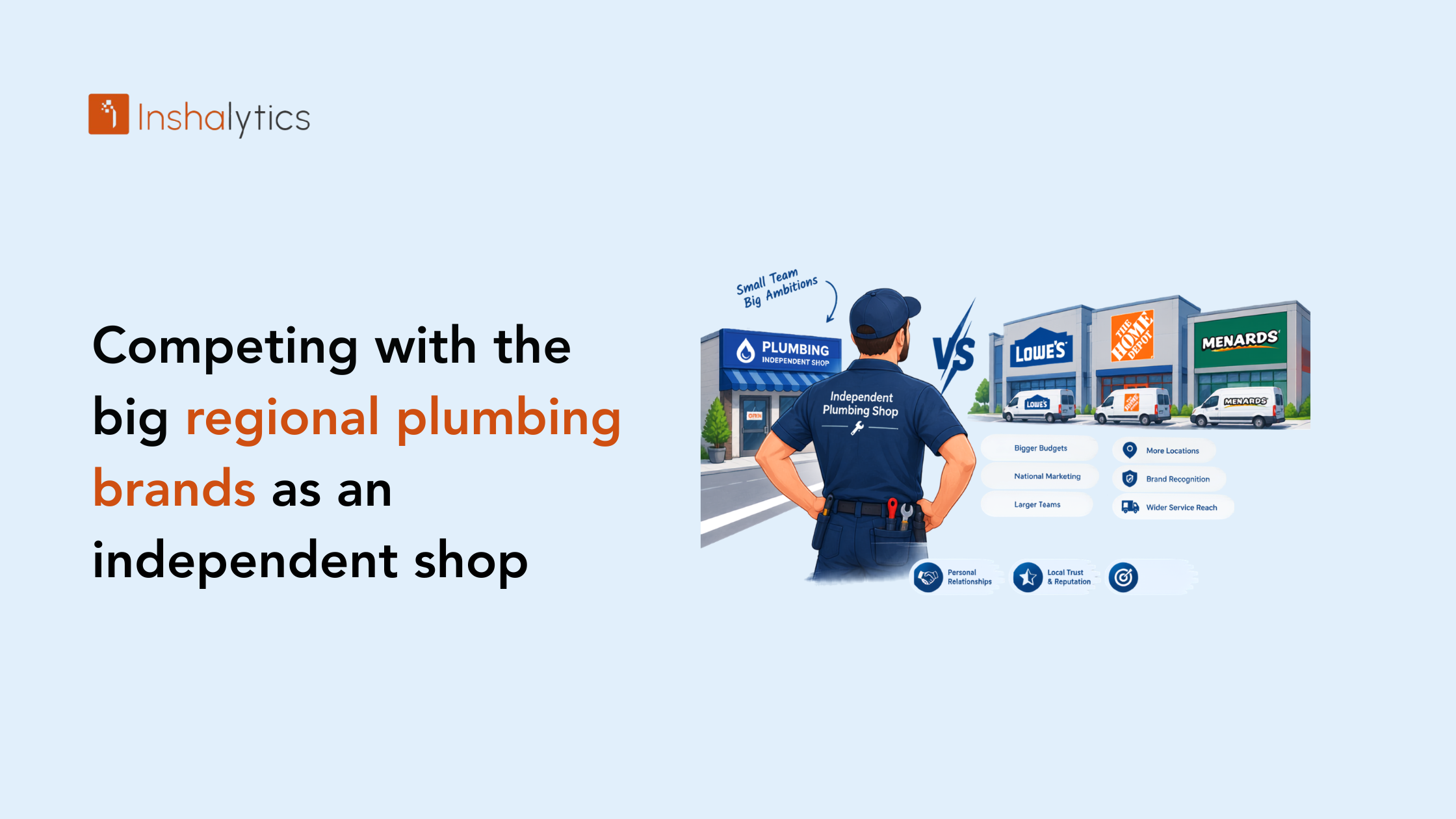
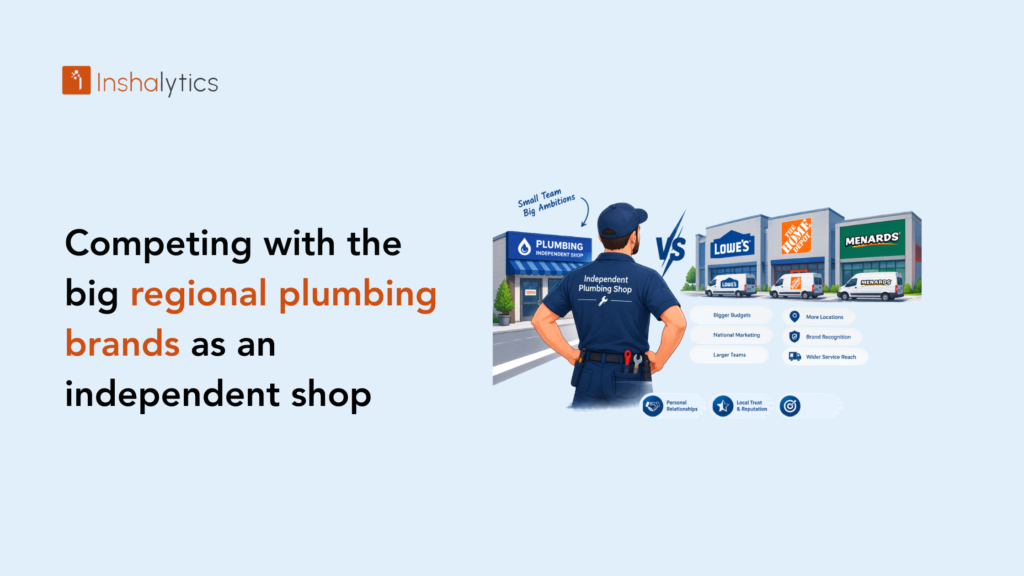
Single-channel dependency is one of the most common growth blockers for plumbing businesses. It usually looks like this: a plumber relies on Angi for the first two years, then realizes they’re competing on price with four other contractors for every shared lead. Or they pour everything into Google Ads and discover their calendar goes quiet the moment they pause the campaign for a week.
The Problem With Angi, HomeAdvisor, and Shared Lead Platforms
Shared lead platforms are not a marketing strategy. They’re a temporary convenience that becomes a structural dependency if you let them. When you buy a lead from Angi, you’re not building a brand; you’re entering a competitive bid against contractors who also bought the same lead in the same minute. Every dollar you spend on shared platforms is a dollar that isn’t building your Google presence, your reviews, or your organic authority assets that generate leads you own permanently. See how this same problem plays out for handyman businesses in our guide on why lead marketplaces hurt profit margins.
What a Multi-Channel Lead System Actually Means
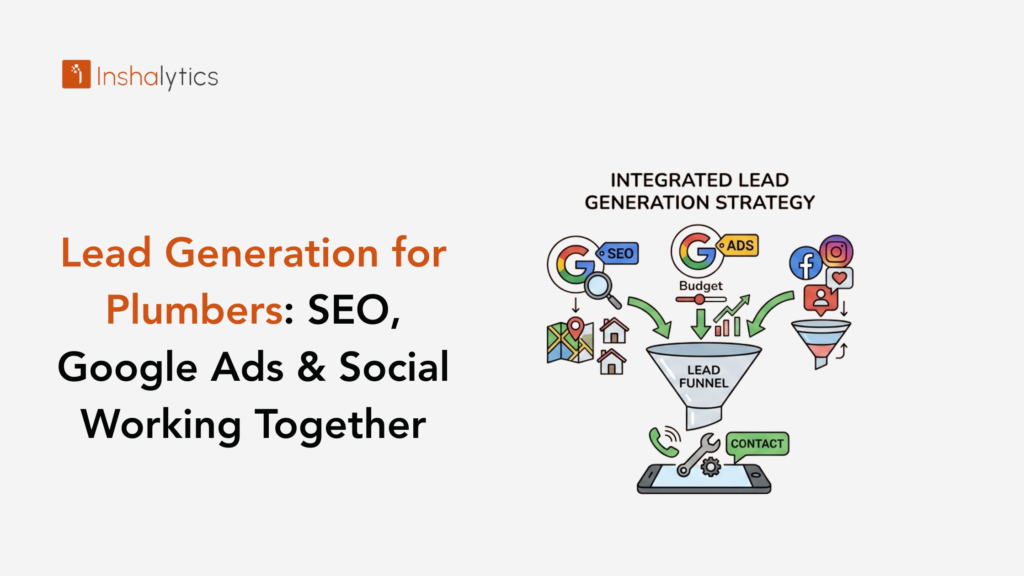
A multi-channel lead system doesn’t mean running every possible marketing channel at once. It means running the right channels in the right sequence, with each one feeding into the others. Google Ads captures urgent demand now. Local SEO builds organic authority that generates calls without ongoing ad costs. Social ads create pre-emergency awareness so that your brand is already familiar when a homeowner’s pipe bursts. Our lead generation services page covers how this system is structured for home service businesses.
Google Ads for Plumbers: Capturing Demand the Moment It Happens
Google Ads is the highest-urgency digital channel for plumbing businesses because it meets homeowners at the exact moment they have a problem. The search ’emergency plumber near me’ at 11 PM isn’t the beginning of a research process; it’s a crisis. The first credible result that appears gets the call.
Why Emergency Plumbing Searches Convert Faster Than Any Other Industry
Plumbing demand is one of the most intent-rich in all of home services. When a pipe bursts, a homeowner isn’t comparing options over a week; they’re calling whoever shows up first in Google. This makes Google Ads for plumbers unusually effective compared to most industries: the person clicking your ad already has an urgent need, and your competition is limited to whoever else appears on that same screen. Emergency plumbing searches convert at significantly higher rates than broad home improvement searches because the buyer’s decision window is effectively immediate.
Local Services Ads vs. Search Ads: What to Run First
If you’re starting with paid advertising, Local Services Ads (LSAs) should be your first campaign. LSAs appear above everything else in Google search results, above traditional paid ads, above the map pack, above organic results. You pay per lead, not per click, and the Google Guaranteed badge signals to homeowners that your business has been vetted. For most plumbing markets, LSAs produce higher-quality leads at a lower cost per acquisition than traditional search ads. Our detailed breakdown of Google Ads vs. Local Services Ads for plumbers covers exactly when to use each.
Setting Up a Campaign That Doesn’t Drain Budget on Junk Clicks
The most expensive mistake in plumbing Google Ads isn’t overspending, it’s spending on the wrong searches. Without a solid negative keyword list, your ads will show for queries like ‘plumber salary,’ ‘plumbing DIY tips,’ and geographic locations outside your service area. Pair keyword exclusions with a tight location targeting radius or zip code-based, never state-level, and you’ll dramatically reduce wasted spend. Read our guide on pay-per-click advertising for the setup fundamentals.
Local SEO for Plumbers: Building Leads You Don’t Have to Keep Paying For
Every dollar you put into local SEO works differently from paid ads: instead of expiring when your budget does, it compounds. A well-optimized Google Business Profile that earns consistent reviews this year is still generating calls in three years. That’s the fundamental economic case for local SEO alongside paid advertising.
The Google Business Profile as Your First Priority
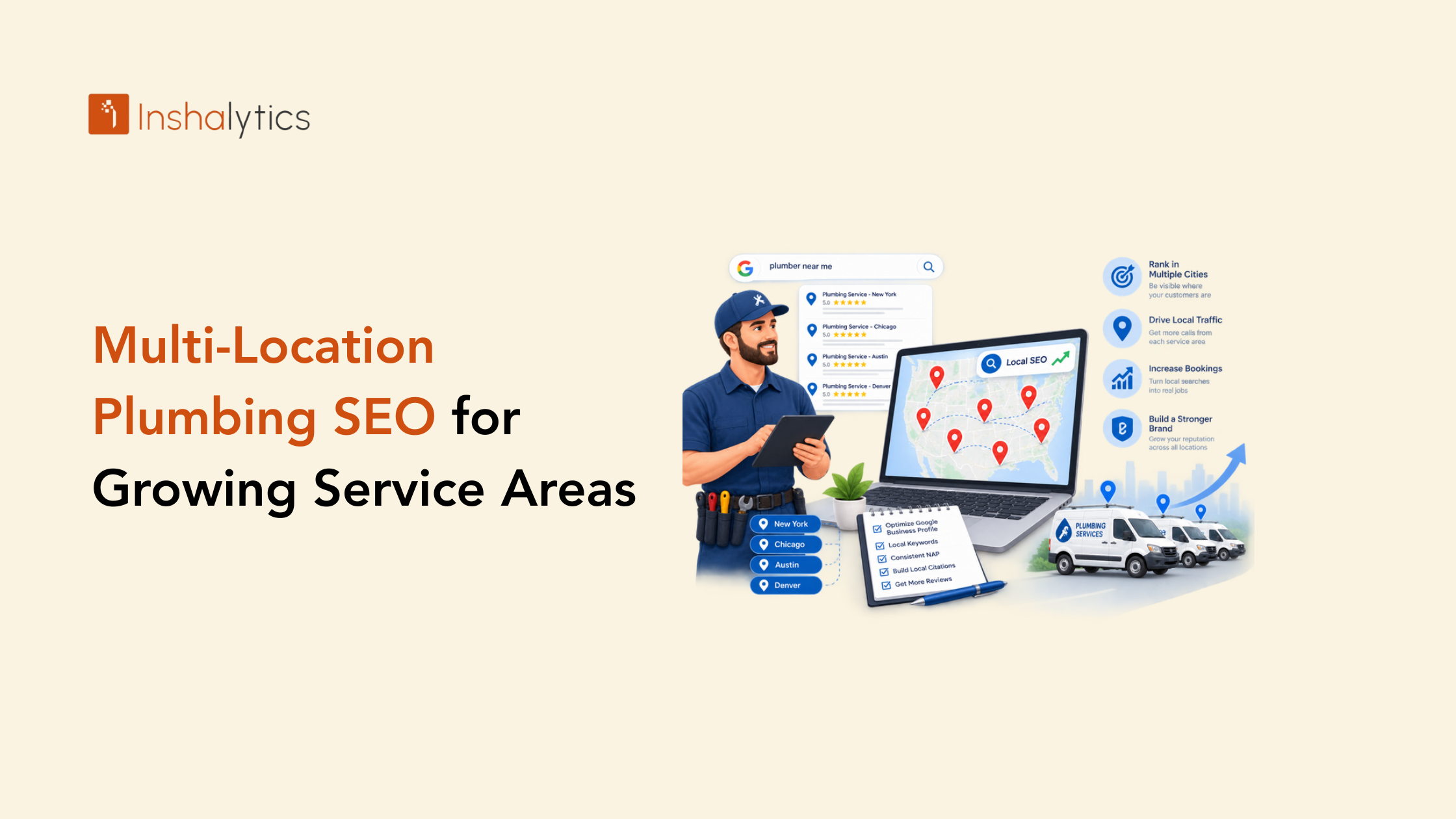
For local SEO, your Google Business Profile (GBP) is the single most important asset you have. It determines whether you appear in the map pack, the three-listing block at the top of local search results that earns roughly 44% of all clicks for service queries. A fully optimized GBP with a strong review profile will outrank a competitor’s newer website in most markets. Our guide to NAP consistency and local SEO explains the citation factors that support your GBP rankings.
Service Pages, City Pages, and the Map Pack Trifecta
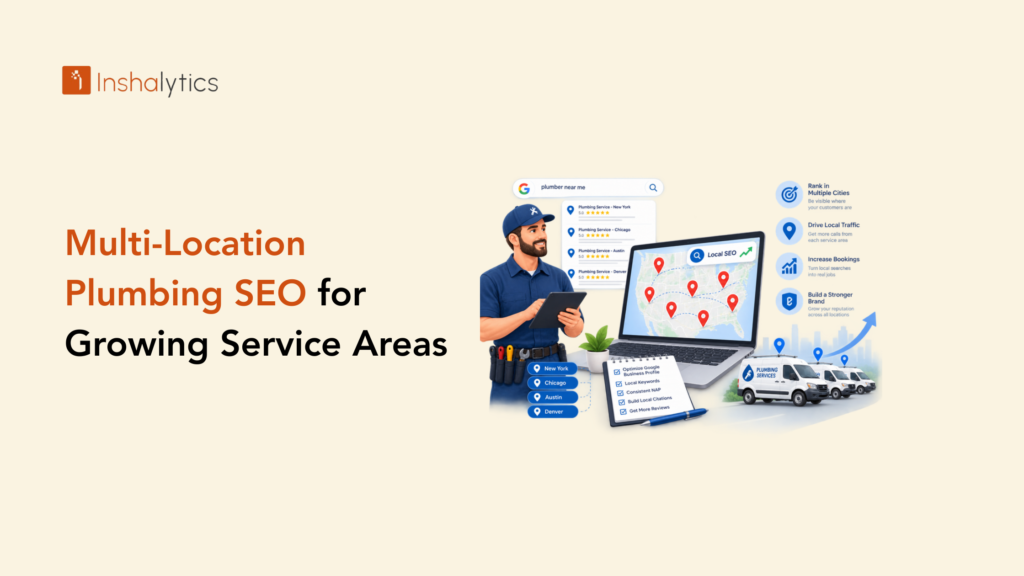
Your website reinforces your GBP signals to Google. Create dedicated service pages for each of your core offerings: drain cleaning, water heater installation, sewer repair, and emergency plumbing, with location-specific content rather than generic service descriptions. If you serve multiple cities, create city-specific pages that mention local neighborhoods and city-specific search terms. Our guide on local SEO optimization strategies covers the full on-page structure for these pages.
Review Velocity: Why 20 Fresh Reviews Beat 200 Old Ones
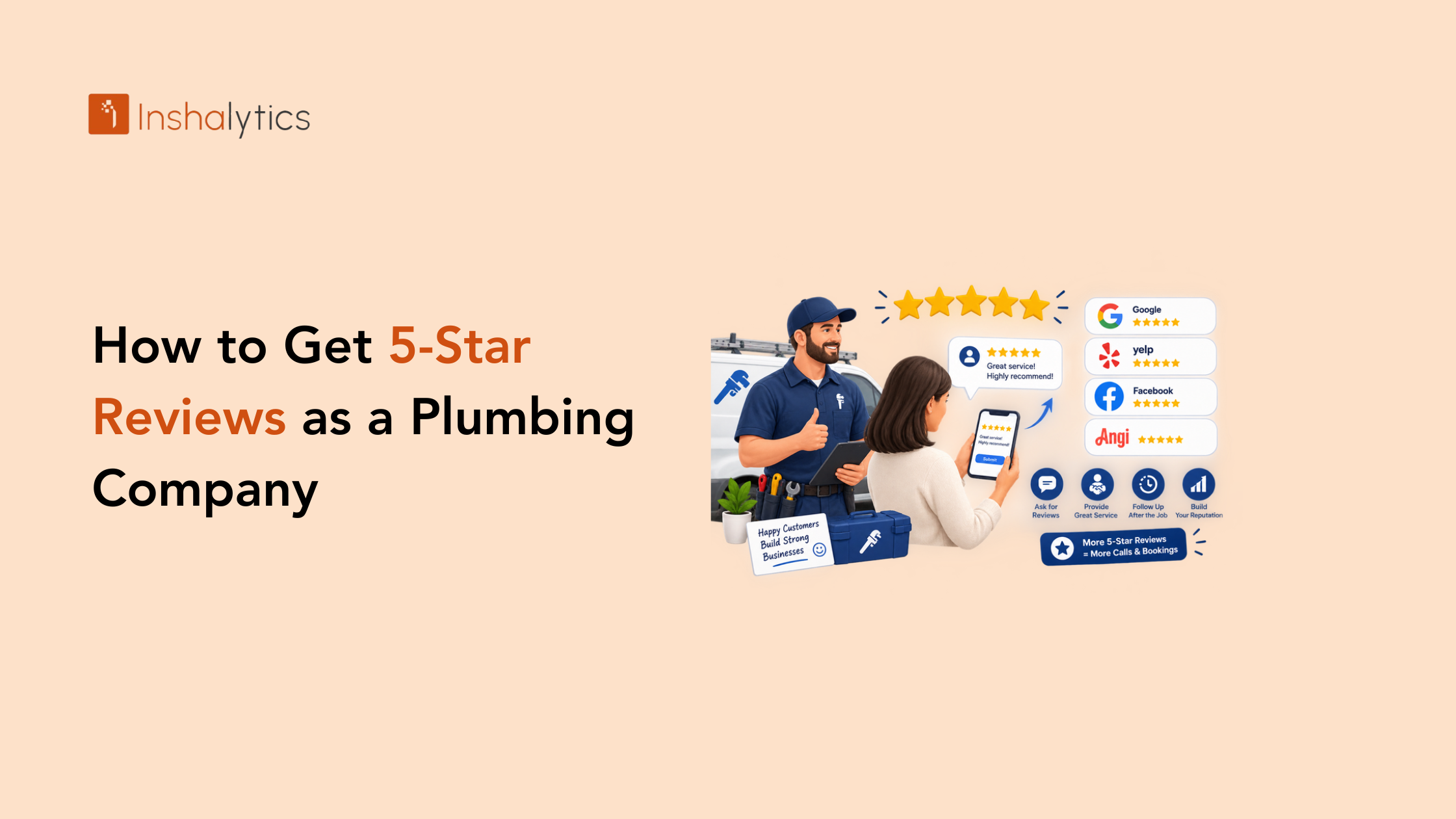
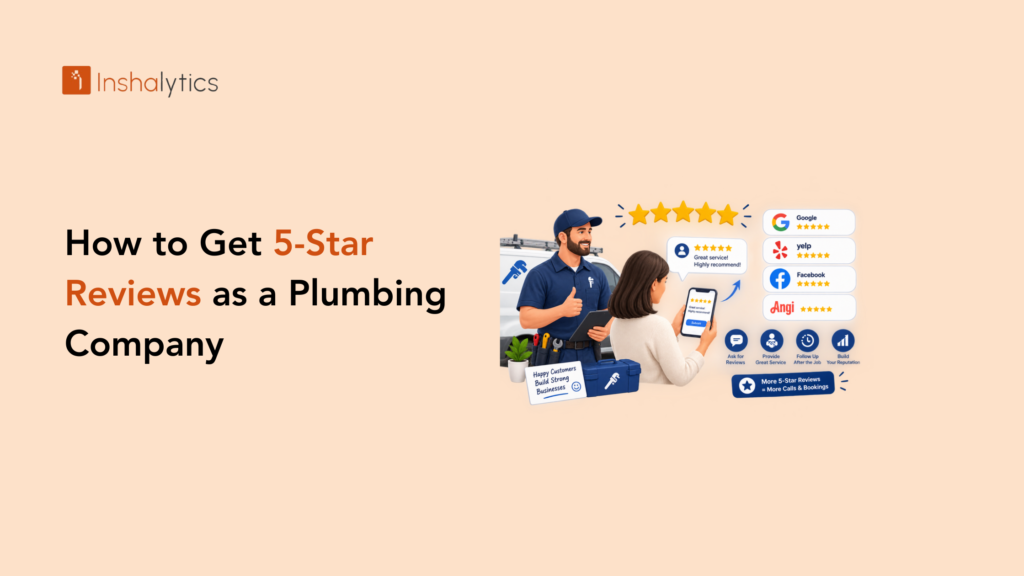
Google’s local ranking algorithm weighs recent review activity more heavily than total review count. A plumbing company with 20 reviews received in the last 90 days will often outrank a competitor with 200 reviews they earned years ago. This means your review strategy should be operational, not a one-time effort. Train your team to request a review at the end of every completed job. Automate the follow-up text with a direct Google review link. Twenty new reviews per month is achievable for most plumbing businesses running three to five jobs per day and will produce measurable map pack ranking improvements within 60–90 days.
Social Ads for Plumbers: Where Facebook and Instagram Actually Fit
Social ads are the most misunderstood channel in plumber marketing. They’re often either dismissed entirely or relied on too heavily. The truth is that Facebook and Instagram serve a specific and valuable role in a plumber’s lead system, but only when positioned correctly.
What Social Ads Can’t Do (And Shouldn’t Be Asked To)
Social ads cannot replace Google search for emergency plumbing demand. When a pipe bursts at midnight, no one is scrolling Instagram hoping to find a plumber. The person in a plumbing crisis goes to Google. If you try to capture that demand through Facebook, you’ll spend your budget reaching people who aren’t in active need and wonder why your cost per lead is high. Social ads work through interruption, showing your ad to someone who wasn’t looking for you, which makes them fundamentally unsuited for emergency service marketing.
What Social Ads Do Well: Pre-Emergency Awareness and Retargeting
Where Facebook and Instagram excel for plumbing businesses is in building familiarity before the need occurs. A homeowner scrolls past your ‘Is your water heater more than 10 years old?’ ad three times over two months without clicking. Then their water heater fails, they search Google, and they remember your name; they click your result instead of a competitor’s because you’re already familiar. Our guide on social media marketing covers how to structure these awareness campaigns for home service businesses.
Budget Benchmarks for Meta Ads in a Plumbing Business
Most plumbing businesses should allocate no more than 20–30% of their total marketing budget to social ads in the first year. A reasonable starting point is $500–$1,000 per month, with the expectation that you’re building awareness and a retargeting pool rather than immediate lead volume. Give campaigns 60–90 days before evaluating performance, and measure success through brand search increases and assisted conversions in your attribution data, not just direct form fills from social traffic.
How SEO, Ads, and Social Create a Compounding Lead System
The power of running all three channels isn’t just that they cover different parts of the search experience; it’s that they actively make each other more effective over time.
Months 1–3: Paid Ads Fund the Business While SEO Builds
In the first quarter, your Google Ads and LSA campaigns are your primary lead source. They should be generating calls within weeks of launch. At the same time, GBP optimization, review collection, and initial website work are underway. Social ads, if you’re running them, are building your local audience and retargeting pool. Our guide on local SEO optimization strategies shows exactly what the foundation looks like in this phase.
Months 4–9: Organic Takes Over the Low-Intent Traffic
By month four, your map pack rankings should be improving for mid-competition keywords. You’ll start receiving calls that didn’t come from any paid campaign. As organic volume grows, you can redirect paid budget away from keywords where you’re already ranking and toward higher-competition terms or new service areas. Our guide on the local pack and SEO explains the factors that determine how fast map pack rankings move.
Month 10+: You Own the Lead Flow Across All Three Channels
After 12 months of consistent execution, a well-built plumbing marketing system produces a self-sustaining lead flow. Organic traffic generates calls at no marginal cost. Paid ads amplify volume and cover urgent terms. Social builds your retargeting pool and supports brand recall. The total cost per lead across the system drops steadily as organic’s share grows. At this point, you’ve built something that no platform change or algorithm update can take away entirely because the assets are distributed across your owned channels.
How Inshalytics Builds a Full-Stack Lead System for Plumbers
The plumbing marketing systems we build at Inshalytics are designed from the ground up around owned leads. We start with Google because that’s where plumbing demand lives, and we build organic infrastructure alongside paid campaigns so that our clients’ cost per lead decreases over time instead of staying flat or rising. Explore our full lead generation services to see how the system is structured.
Why We Start With Google, Not Social
Every new plumbing client we work with starts with Google Ads and GBP optimization, never social ads as a primary channel. The reason is simple: Google captures existing demand, and demand capture is the fastest path to booked jobs. Social ads build demand over time, which is valuable but not what a plumbing business needs in the first 90 days. Once paid channels are generating a consistent positive return, we layer in social to extend reach. Our guide to pay-per-click advertising shows how we structure the initial paid campaigns.
The Owned-Lead Milestone: What It Looks Like at 12 Months
Our 12-month target for plumbing clients is a meaningful portion of their total lead volume coming from organic sources, such as GBP direct calls, website organic traffic, and direct searches for their business name. When that milestone is reached, the client has built something durable. They could reduce their ad spend tomorrow and still receive calls. That’s the owned-lead model. Learn more on our search engine optimization service page.
Stop buying shared leads. Book a free strategy session with Inshalytics, and let’s map out the multi-channel lead system that will have your plumbing business generating owned leads within 12 months.